
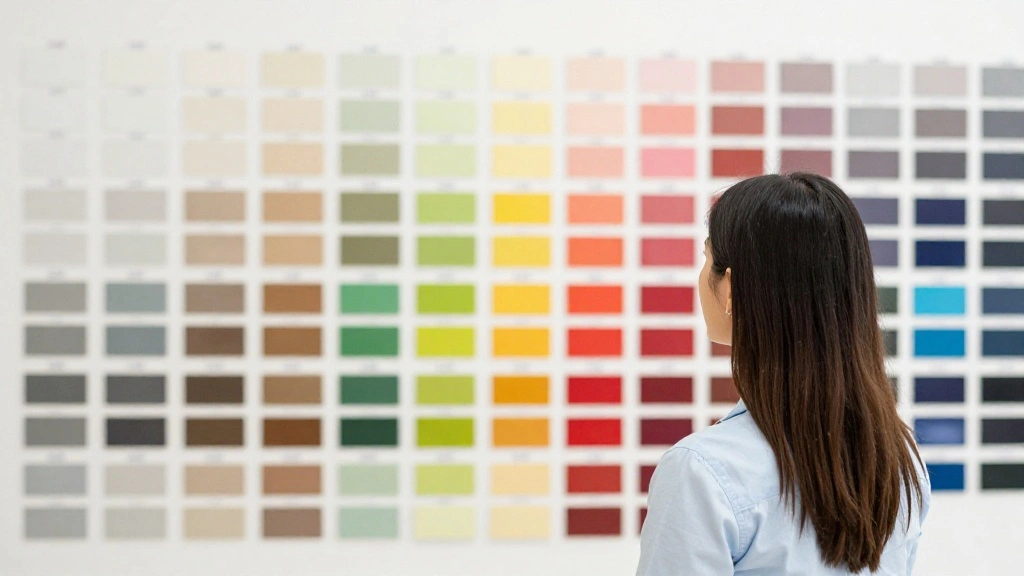
Choosing the right paint color for your bedroom can feel overwhelming. You may worry about making a costly mistake that you’ll have to live with for years. The urgency to find a color that not only looks good but also makes you feel comfortable is crucial. Don’t rush the decision!
This guide will help you confidently test bedroom paint colors before you commit to a full paint job. You’ll learn how to select colors, create samples, and evaluate them in your space. With the right approach, you can find a color that enhances your personal sanctuary without second-guessing your choice.
By following the steps outlined, you will become adept at testing various paint colors, ensuring that your final choice aligns with your vision for your bedroom. This guide is designed for those with a beginner skill level and will take approximately 2-3 hours to complete. Let’s dive in!
TL;DR Summary
- Gather paint samples and necessary materials.
- Apply samples on your walls to see how they look throughout the day.
- Evaluate colors under different lighting conditions.
- Make an informed decision before committing to a full paint job.
Recommended Products

CONVENIENT SIZE - This outdoor acrylic paint set includes 16 - .1667 fl oz paint pots as well one brush. The colors in this paint set include: Delta Outdoor Royal Blue, Sky Blue, Light Blue, Pink, Purple, Terra Cotta, Brown, Black, Dark Green, Light Green, Turquoise, Magenta, Light Brown, Red, Yellow and White

PAINT COLOR SAMPLE BOARDS - Organize paint colors while exploring and comparing them effortlessly with this 24-pack paint board set. Each tester board features a blank space on the front for paint-out and a label on the back to identify all the details of the particular color you are testing

Includes 30 featured and newest released color card. Sprayed on color to see our colors in your homes lighting for more accurate color choices.
TL;DR Summary
Editor’s Choice

Light Meter Digital Illuminance Meter Handheld Ambient Temperature Measu…


Bestt Liebco 557700130 Master 1″ Touch Up Painter with Storage, Black

Paint Roller kit, 2 Inch 15 Pack Small Paint Roller Kit with Microfiber …
Prerequisites/Materials Needed
- Paint samples (minimum of 3 different colors)
- Paintbrush or small roller
- Painter’s tape
- Small paint tray
- Notebook and pen for notes
- Natural light source (window or lamp)
Recommended Products

Rich combination: What you receive the package comes with 6 pieces strips of empty paint cup pots in this package, 6 pots for each strip, totally 36 pots in 1 package for you, each pot is about 5 ml/ 0.17 ounces in capacity, sufficient quantity can satisfy your diversified needs

120-Piece Bulk Set: 120 paint pots(20 strips x 6 pots) provide art storage containersfor all needs. Each 3ml paint pots with lids holds 0.1oz pigments-sufficient for classrooms or professional studios

🎨【Special Value Pack】 Our acrylic paint pot set comes with 40 strips of empty paint pots,6 pots for each strip. Totally 240 pieces of paint pots that will meet your daily painting, craft project use needs.
Prerequisites/Materials Needed
Editor’s Choice

Sherwin Williams Colors collection Deck Complete Paint Colors

4 Rolls Premium Painters Tape, Blue Tape, Masking Tape, Paint Tape for M…
Skill Level & Time Estimate
Skill Level: beginner
Total time estimate: 2-3 hours.
Steps breakdown:
- Gather materials: 30 minutes
- Prepare walls: 30 minutes
- Apply samples: 1 hour
- Evaluate colors: 1 hour
Recommended Products
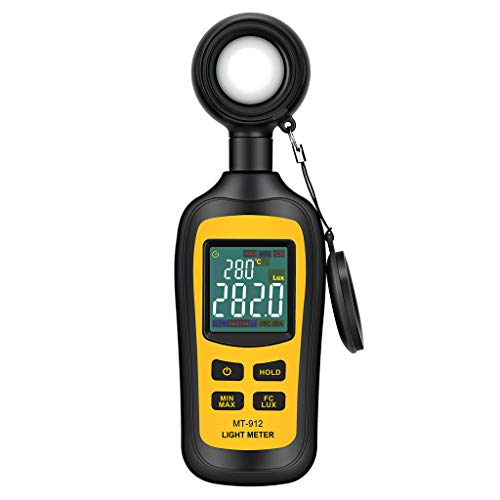
Measures luminosity from 0 to 200,000 Lux and ambient temperature

SIMPLE AND PORTABLE - Scan any flat surface to find the closest matching paint colours and products in the Color Muse app. Color Muse pairs to the app via wireless so that you can scan colours anywhere.

COLOR & SHEEN MATCHING TECHNOLOGY: Color Muse 3 measures both color and sheen in one scan using a 3-path color system across paints, textiles, plastics, print, and more. Powered by proprietary SurfaceSmart Technology with 45/0° geometry for real-world color, d/8° SCI geometry for scientific color accuracy, and 60° angle to measure gloss and sheen.
Skill Level & Time Estimate
Editor’s Choice

KILZ TRIBUTE Paint & Primer, Interior, Color Sample, Spanish Fortres, 8 …
Step 1: Gather Your Paint Samples
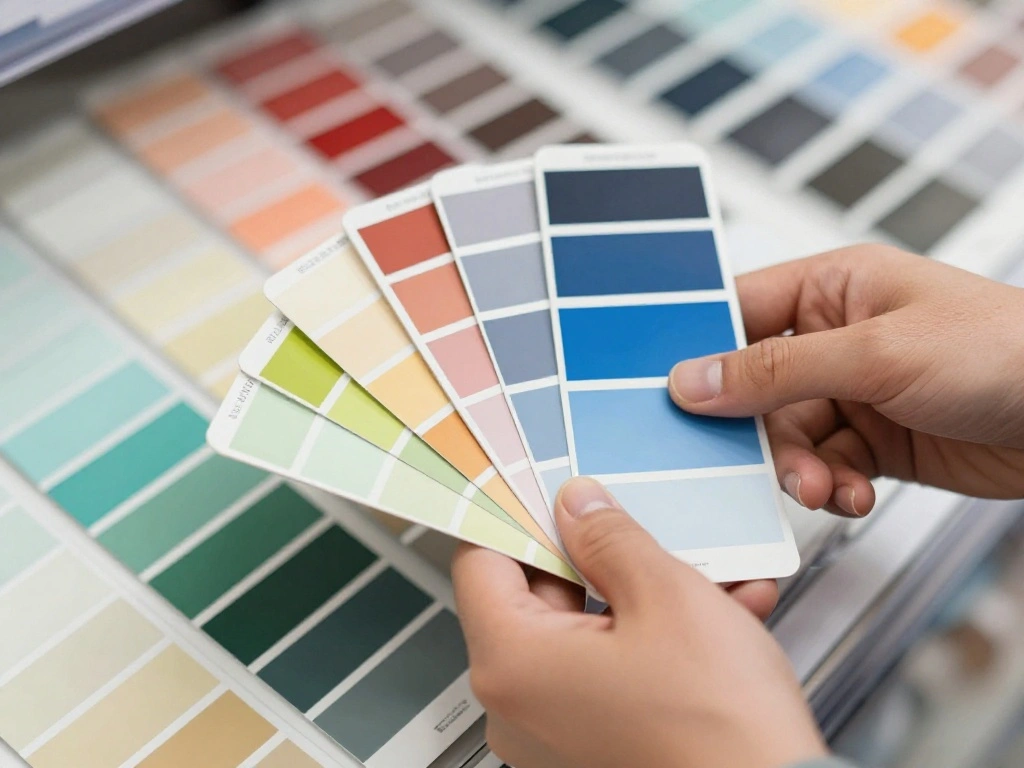
To start, visit your local paint store and gather samples of your desired colors. Follow these sub-steps:
- Identify the color palette you want for your bedroom.
- Select 3-5 paint samples that appeal to you.
- Ask for sample jars (usually 8 oz) for easier handling.
Pro Tip: Choose colors that complement your furniture and decor. Why this matters: Selecting colors that fit your overall theme will ensure harmony in your space. Time estimate for this step: 30 minutes.
Recommended Products
Add instant curb appeal to your home in just 4 hours
PAINT + PRIMER IN ONE: Evolve’s paint-and-primer formula helps you get great coverage from the start, sealing your surface and reducing the extra work of multiple coats.

Use for a variety of indoor and outdoor project surfaces including wood, metal, plaster, masonry or unglazed ceramic
Step 1: Gather Your Paint Samples
Editor’s Choice


Swab-its® Visual Effects Applicators – Reusable, Lint-Free Foam Swabs…
Step 2: Prepare the Walls
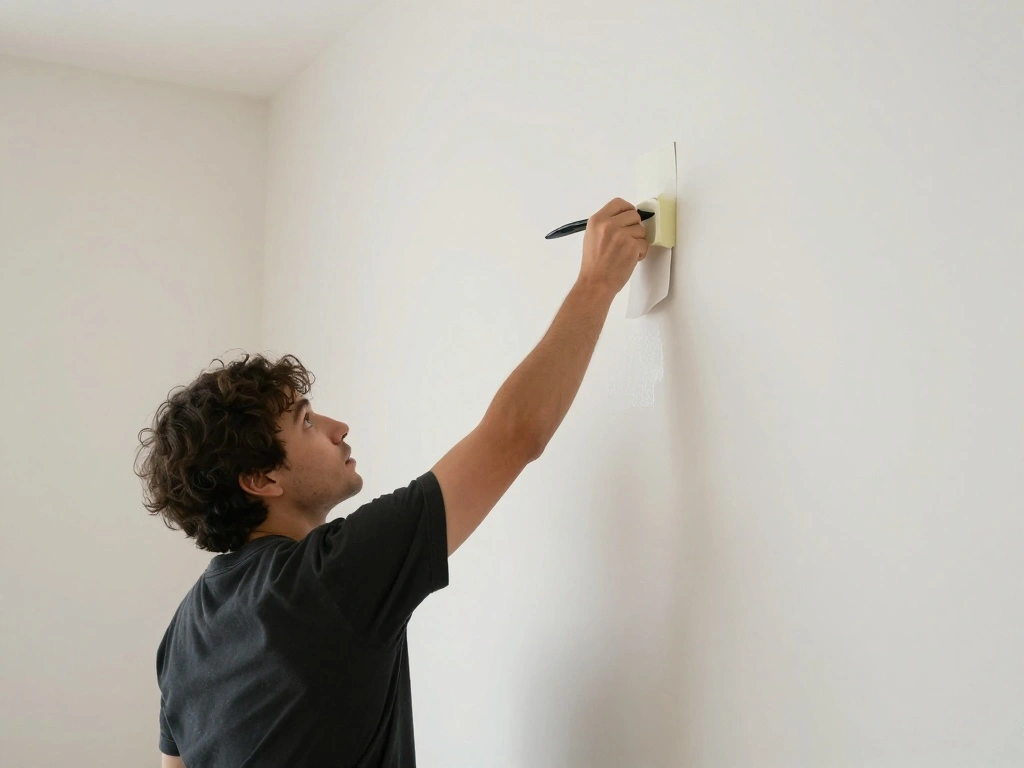
Before applying the paint samples, prepare the walls to ensure accurate color representation. Follow these sub-steps:
- Clean the wall surface to remove dust and debris.
- Use painter’s tape to mark off a square area (about 2×2 feet) where each color will be applied.
- Make sure the taped area is smooth and dry.
Warning: Ensure the wall is completely dry before applying paint to avoid uneven finishes. Why this matters: A clean and prepared surface allows for a truer color representation. Time estimate for this step: 30 minutes.
Recommended Products

PAINT + PRIMER: KILZ TRIBUTE is a low VOC, 100% acrylic advanced technology paint and primer in one formulated for superior hide and coverage with exceptional durability. Paint and primer covers light-medium stains and light-dark color changes.

Includes 30 featured and newest released color card. Sprayed on color to see our colors in your homes lighting for more accurate color choices.

Includes 30 featured and newest released color card. Sprayed on color to see our colors in your homes lighting for more accurate color choices.
Step 2: Prepare the Walls
Editor’s Choice
4 Rolls Premium Painters Tape, Blue Tape, Masking Tape, Paint Tape for M…

Zep ZUFWC18 Foaming Wall Cleaner, 18 oz, Clear

EVOLVE Interior Paint & Primer, Eggshell (Deep Blue), 5 Gallon – One-C…
Step 3: Apply the Paint Samples
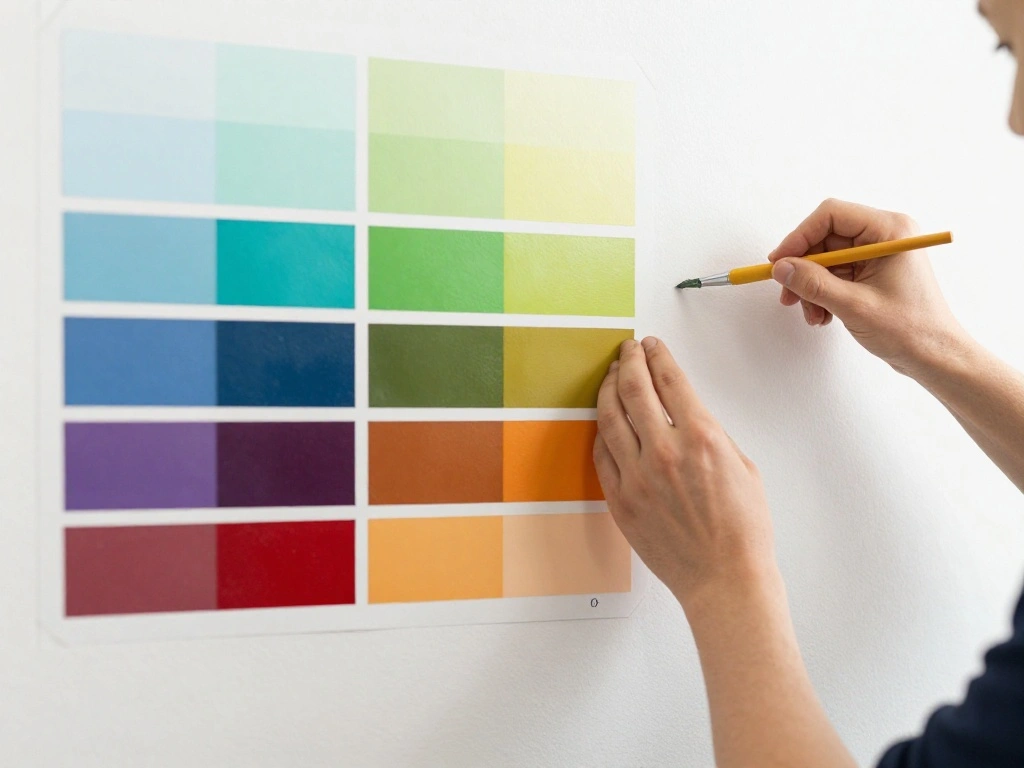
Now it’s time to apply your chosen paint samples on the wall. Follow these steps:
- Using a paintbrush or roller, apply each color in the designated taped area.
- Ensure even strokes to prevent blotchiness.
- Let the first coat dry completely before applying a second coat if necessary.
Pro Tip: Always label each color area for easy identification later. Why this matters: Proper application ensures you see the true color once dried. Time estimate for this step: 1 hour.
Recommended Products

【Premium Acrylic Model Paints for Miniatures & Models】Professional-quality acrylic model paints designed for plastic models, miniatures, scale figures, dioramas and more. The 18 high-pigment colors (0.68 fl oz / 20 ml each) brush on with smooth, even flow and strong adhesion to plastic, resin, wood and metal for both detail work and full coverage.

Rich Colors -- 80pcs 3ml mini acrylic paints set, made of high quality acrylic material, compact size, easy to store, easy to carry when you go out, adults and children can use it safely. There are 8 colors: black, white, green, blue, yellow, red, pink and purple. Mix easily to create unique wall art, DIY works and more.

Why choose BAISITE: We provide rolled cotton linen canvas, 8 wooden brushes, 30% extra paint pots (for the most frequently used colors), and 1 colorful box
Step 3: Apply the Paint Samples
Editor’s Choice
Paint Roller kit, 2 Inch 15 Pack Small Paint Roller Kit with Microfiber …

4 Rolls Premium Painters Tape, Blue Tape, Masking Tape, Paint Tape for M…
Step 4: Evaluate the Colors

After the paint has dried, it’s time to evaluate how each color looks in your bedroom. Follow these sub-steps:
- Observe the colors at different times of the day (morning, afternoon, evening).
- Take notes on how each color feels in the space.
- Consider the impact of lighting on the color perception.
Pro Tip: Take photos under each lighting condition for reference. Why this matters: Colors can change dramatically with varying light, so this step is crucial for your decision-making. Time estimate for this step: 1 hour.
Recommended Products

GREAT VALUE PACKAGE FOR KIDS:You will get 20 strips of empty paint cup pots in this package,6 pots for each strip,20 pieces paint brushes and 20 pieces detail paint brushes,totally 120 pots and 40 paint brushes at a very economical price with extremely high performance-to-price ratio.

【Package Includes】This set contains 100 strip paint cups (600pcs total). Each paint holder has a capacity of 3ml/0.1oz. Paint containers with lids are perfect for storing everything from paints to emulsions.

Value Package: You will get 100 strips empty paint pots, 6 pots for each strip, totally 600 pots in this package for you, each pot is about 5 ml/ 0.17 ounces in capacity, sufficient quantity can satisfy your diversified needs.
Step 4: Evaluate the Colors
Editor’s Choice

Nix Mini 3 Color Sensor Colorimeter – Portable Color Matching Tool – Dus…

KILZ TRIBUTE Paint & Primer, Interior, Color Sample, Weeping Willow, 8 O…
Step 5: Make Your Decision
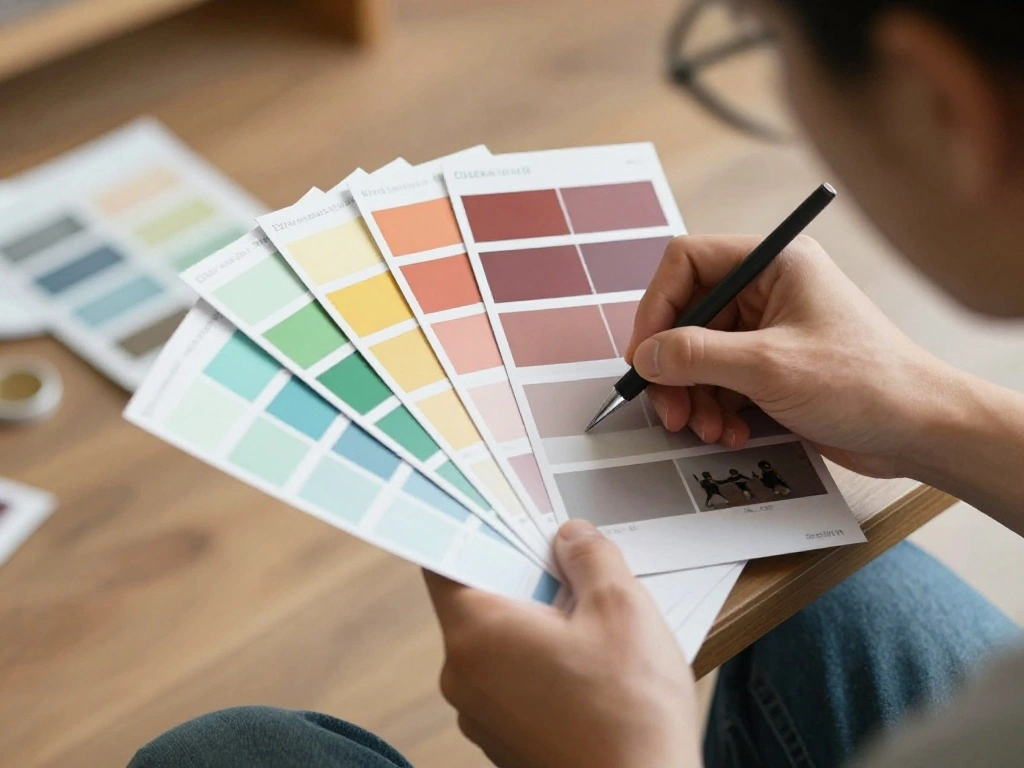
Now that you’ve tested the colors, it’s time to decide. Follow these steps:
- Review your notes and photos of each color.
- Consider the overall mood you want to create in your bedroom.
- Select the color that resonates most with your vision.
Warning: Avoid rushing your decision; take your time to reflect on your choice. Why this matters: A well-thought-out decision leads to satisfaction in your space. Time estimate for this step: 30 minutes.
Recommended Products
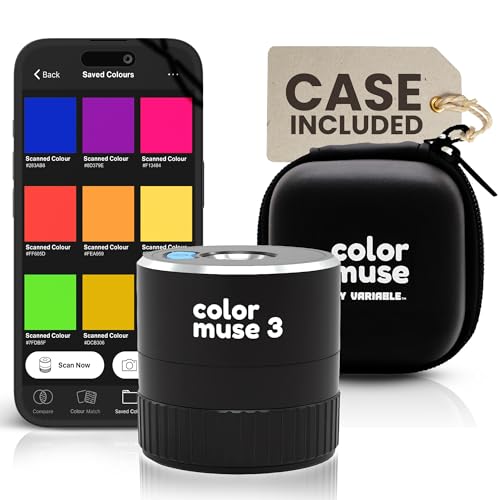
COLOR & SHEEN MATCHING TECHNOLOGY: Color Muse 3 measures both color and sheen in one scan using a 3-path color system across paints, textiles, plastics, print, and more. Powered by proprietary SurfaceSmart Technology with 45/0° geometry for real-world color, d/8° SCI geometry for scientific color accuracy, and 60° angle to measure gloss and sheen.

Scan any object or surface to instantly match to 300,000+ brand name paints.

PREMIUM LIMITED EDITION DESIGN: The Color Muse SE stands out with its exclusive matte black aluminum finish and laser-etched labels, offering a sophisticated touch. This special edition package includes our finest finishes, high-quality packaging, and an additional calibration cap for enhanced precision.
Step 5: Make Your Decision
Editor’s Choice

20 Sheets Painters Color Diary for 480 Colors Loose Leaf Color Swatch No…

Mighty Board Minis Polystyrene Paint Color Test Panels, 12″ x 9″, Set of…

Lystaii 9pcs Gel Light Filter Color Correction Colored Overlays Transpar…
Step 6: Purchase and Apply Your Chosen Color
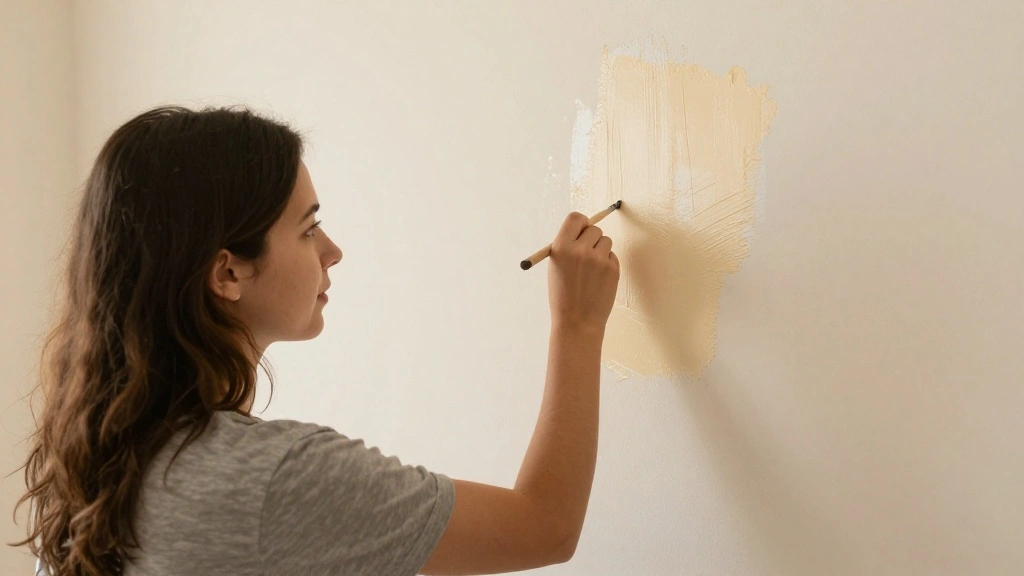
Once you’ve made your decision, it’s time to buy and paint your chosen color. Follow these sub-steps:
- Purchase the full-sized paint can of your chosen color.
- Follow the same preparation steps as before for a flawless finish.
- Apply the paint evenly, using the same technique from your test samples.
Pro Tip: Consider buying a few extra paint cans for touch-ups later. Why this matters: Consistency in application ensures a professional look. Time estimate for this step: 1 hour.
Recommended Products
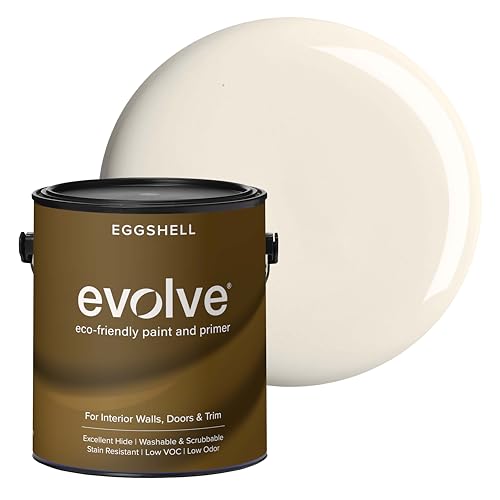
PAINT + PRIMER IN ONE: Evolve’s paint-and-primer formula helps you get great coverage from the start, sealing your surface and reducing the extra work of multiple coats.

Revolutionary spray paint technology that provides exceptional coverage

Revolutionary spray paint technology that provides exceptional coverage
Step 6: Purchase and Apply Your Chosen Color
Editor’s Choice

6 Pack Quart Paint Cans with Lids, Made in the USA with T5 Hardened US S…
Pro Tips
- Lighting Matters: Test colors in both natural and artificial light to see how they change.
- Use Large Samples: Consider painting larger sections for a better view.
- Complementary Colors: Use colors that enhance your furniture and decor.
- Stay Consistent: Use the same brand and sheen for your final choice for uniformity.
- Time of Day: Evaluate colors at different times of day for true perception.
Recommended Products

PROFESSIONALLY RECYCLED PAINTS: Lower cost alternative to virgin paint, without sacrificing quality. One quart of Recolor Interior Finish, White (Semi-gloss) covers about 100 square feet. This is interior, latex paint with a finish that is between flat and eggshell—produced in the USA!

Includes 30 featured and newest released color card. Sprayed on color to see our colors in your homes lighting for more accurate color choices.
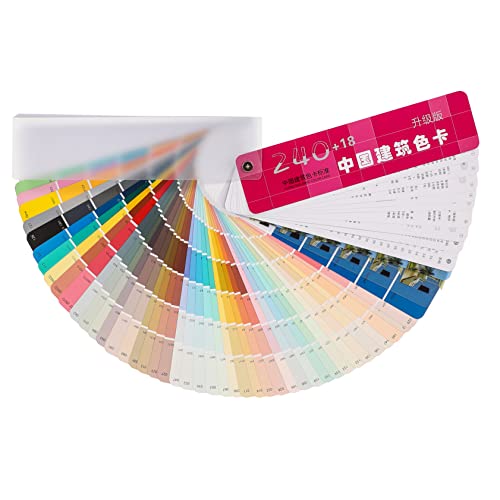
Color Matching Tool: This paint color card helps identify and compare shades for architecture paint color cards, supporting color selection for painting projects and making it easier to find the tone you want
Pro Tips
Editor’s Choice

Boldify Hair Fibers Color Sample Kit – Fill In Thinning and Fine Hair fo…

Bates- Paint Roller Kit, 19 pcs, Roller Set with Microfiber Sleeves & Fr…

Linkind Smart Light Bulbs, Smart Bulb that Work with Alexa, Google Home,…
Common Mistakes to Avoid
Warning: Avoid testing colors on small patches; they will not show the true color impact. Instead, use larger sample areas. Warning: Don’t rush the decision; colors can appear different based on time and lighting. Take your time to evaluate. Warning: Forgetting to clean the wall may lead to uneven application. Always prep your surfaces properly.
Common Mistakes to Avoid
Editor’s Choice

Foampro Mfg. 98 Color Tester Roller Kit, 3 inches
20 Sheets Painters Color Diary for 480 Colors Loose Leaf Color Swatch No…

Max Strip Painter’s Prep | 22 oz | Pre-Painting and Refinishing Surface …
Troubleshooting Section
Problem: The color looks different on the wall than in the store.
Solution: Re-evaluate the lighting in your room; colors may appear different based on light sources.
Problem: Paint doesn’t cover well.
Solution: Ensure the wall is clean and consider applying a primer before the final coat.
Problem: You can’t decide between colors.
Solution: Use a process of elimination based on how you feel with each color throughout the day.
Troubleshooting Section
Editor’s Choice

EVOLVE Interior Paint & Primer, Eggshell (Slate Gray), 5 Gallon – One-…
Variations/Alternative Methods
Instead of painting directly on walls, consider using large poster boards to test colors. This method allows for easy movement and does not require wall preparation. Additionally, you could use paint samples that come in peel-and-stick formats for an even less messy application.
Variations/Alternative Methods
Editor’s Choice

Pacon Super Value Poster Board, 22″X28″, White, 50 Sheets
Mighty Board Minis Polystyrene Paint Color Test Panels, 12″ x 9″, Set of…

TUZAZO 4 Oz Plastic Container Jars with Lids BPA Free, Empty Round Clear…
FAQs
What if I don’t have enough light in my room? You can use additional lamps to simulate natural light when testing colors.
How long should I wait for the paint to dry before evaluating? Typically, wait 1-2 hours for a good initial evaluation, but check the can for specific recommendations.
Is it safe to test paint colors if I have allergies? Yes, but ensure proper ventilation and consider low-VOC paints.
FAQs
Editor’s Choice
Colorations Paraben-Free Washable Tempera Paint for Kids – 1 Gallon Valu…

Foampro Mfg. 98 Color Tester Roller Kit, 3 inches
Conclusion
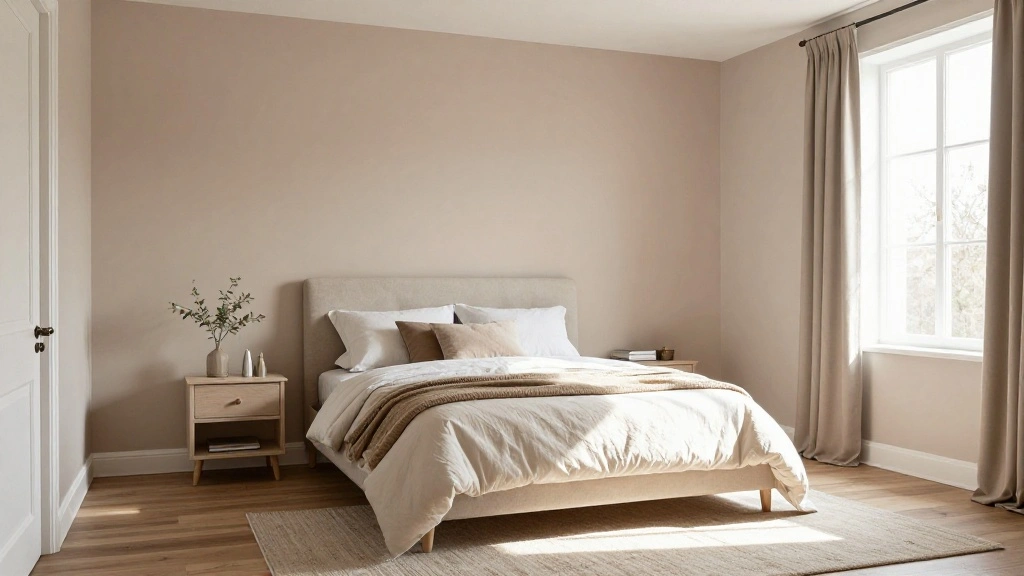
Congratulations! You’ve successfully tested and selected the perfect paint color for your bedroom. You took the time to evaluate and make an informed decision, ensuring that your sanctuary reflects your personal style.
Now, enjoy the process of painting your space and revel in the transformation. For further inspiration, consider checking out online resources or interior design apps to help you visualize your new space.
Happy decorating!