
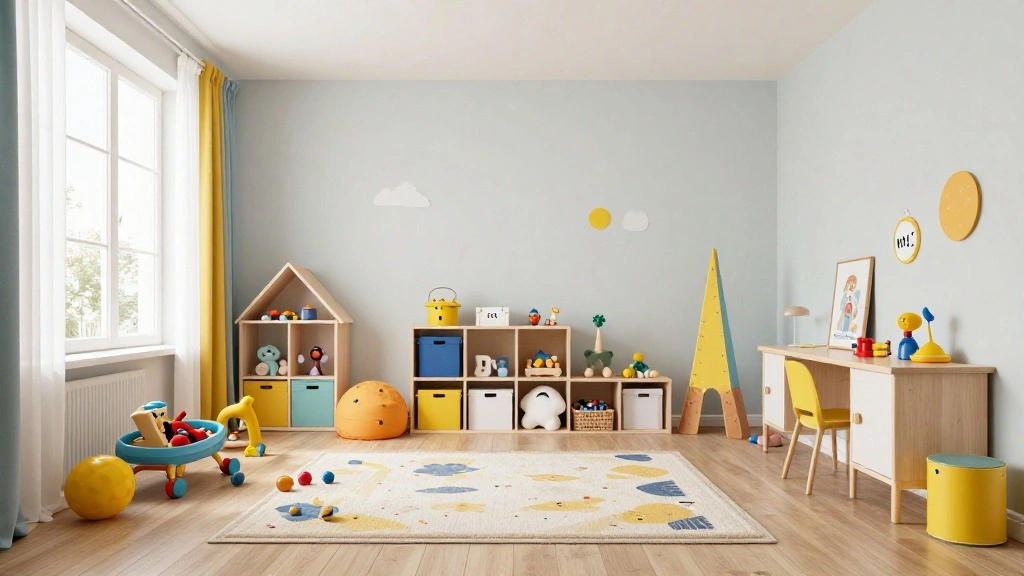
A messy kids’ bedroom can lead to frustration, lost toys, and a chaotic environment. It’s essential to take action before the clutter overwhelms your child and affects their playtime and sleep. By organizing their bedroom, you’ll not only help your kids find their belongings easily but also create a space that encourages creativity and calmness.
In this guide, you will learn how to declutter, categorize, and maintain an organized kids’ bedroom. You will achieve a tidy and functional space that your child can enjoy for play and relaxation. With simple steps, you will be able to keep the room organized for the long term.
This guide is designed for beginners, and you can expect to complete it in about 2-3 hours. Get ready to transform your child’s room into a tidy haven!
TL;DR Summary
- Declutter the space by sorting items into keep, donate, and discard categories.
- Use storage solutions like bins and shelves to organize toys and clothes.
- Set up a cleaning routine to maintain the organization over time.
- Involve your child in the process to teach them about tidiness.
TL;DR Summary
Editor’s Choice

Fourluoo 6 Pack Wildflower Storage Basket with Handles Clothes Storage B…

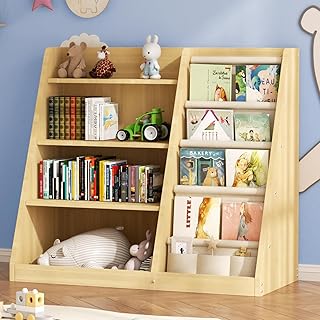
EXPERLAM Kids Bookshelf and Toy Storage Organizer, 4 Tier Wooden Kids Bo…

SpaceAid Toy Storage Organizer with 6 Shelves and 12 Bins, Bookshelf/Boo…
Prerequisites/Materials Needed
- Storage bins (3-5, various sizes)
- Bookshelf or shelving unit
- Labels or markers for categorizing
- Cleaning supplies (duster, wipes, vacuum)
- Donation bags or boxes
- Fun decor items (posters, wall art)
Prerequisites/Materials Needed
Editor’s Choice
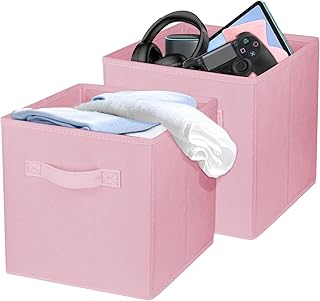
2 Pcs Storage Cubes, 10.5 Inch Collapsible Storage Bins, Fabric Foldable…
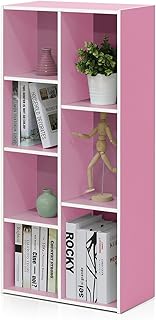
Furinno LUDER Book Shelf, 7-Cube Bookshelf, Bookcase with Open Shelves, …

ThinkLearn Microfiber Dusters for Cleaning,14PCS Feather Dusters with Ex…
Skill Level & Time Estimate
Skill Level: beginner
Total time estimate: 2-3 hours
Breakdown:
– Decluttering: 1 hour
– Organizing: 1-1.5 hours
– Setting up maintenance: 30 minutes
Skill Level & Time Estimate
Editor’s Choice
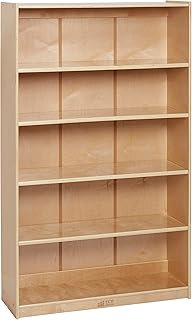
ECR4Kids Classic Wooden Bookcase with Adjustable Shelves, 60in, Classroo…

Budding Joy 90L Under Bed Storage Containers, Closet Organizers and Stor…

Gowee Large Toy Storage Box with Lid, Sturdy Toys Storage Chest Bin Orga…
Step 1: Declutter the Room
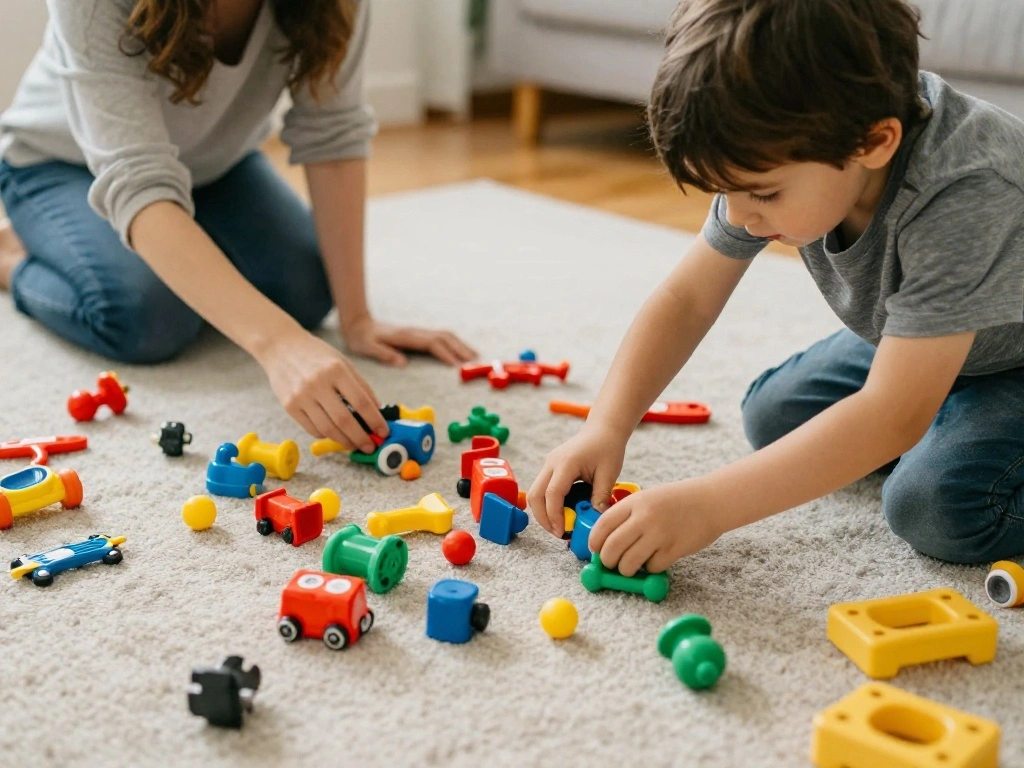
Begin by decluttering the bedroom. This step is crucial as it sets the foundation for an organized space. Follow these sub-steps:
- Take everything out of the room, including toys, clothes, and books.
- Sort items into three categories: Keep, Donate, and Discard.
- Be decisive. If your child hasn’t used an item in the last six months, consider letting it go.
Warning: Avoid keeping items that are broken or no longer used, as they contribute to clutter.
Pro Tip: Involve your child in this process to teach them valuable organization skills.
Time estimate: 1 hour.
Step 1: Declutter the Room
Editor’s Choice

SUPVAN E11 Bluetooth Label Maker Machine with 4 Tapes, Support Keyboard …

COZPAW Kids Bookshelf and Toy Storage, 4 Tier Toddler Bookshelf with Mov…

Humble Crew Toy Storage Bins for Kids, Set of 4, Primary Colors, Small -…
Step 2: Categorize Items
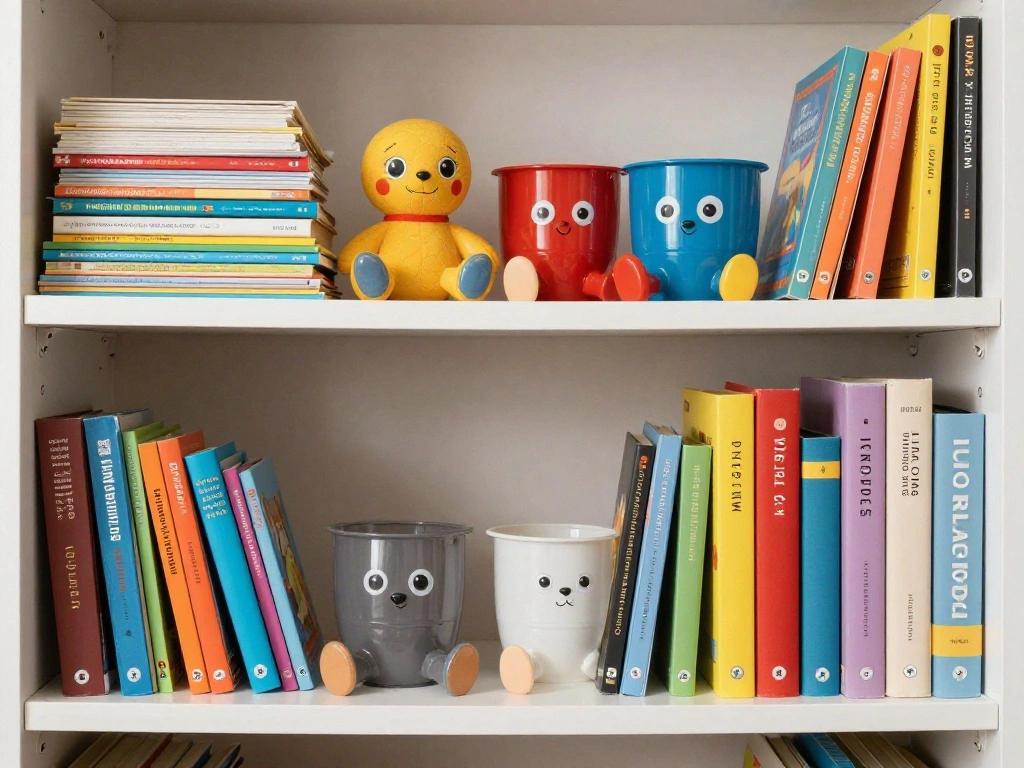
After decluttering, categorize the remaining items. This helps in organizing them effectively. Follow these steps:
- Group similar items together, such as toys, books, clothes, and art supplies.
- Use bins or boxes to store each category separately.
- Label each bin clearly for easy identification.
Pro Tip: Use colorful labels to make it fun for kids and encourage them to put things back in their designated spots.
Time estimate: 30-45 minutes.
Step 2: Categorize Items
Editor’s Choice

Brother P-Touch PT-N10 Personal Handheld Label Maker, Portable and Print…
SpaceAid Toy Storage Organizer with 6 Shelves and 12 Bins, Bookshelf/Boo…

Sterilite 4 Pack Ultra Latching Box, Storage Bins with Lids, Clear Plast…
Step 3: Create Functional Zones
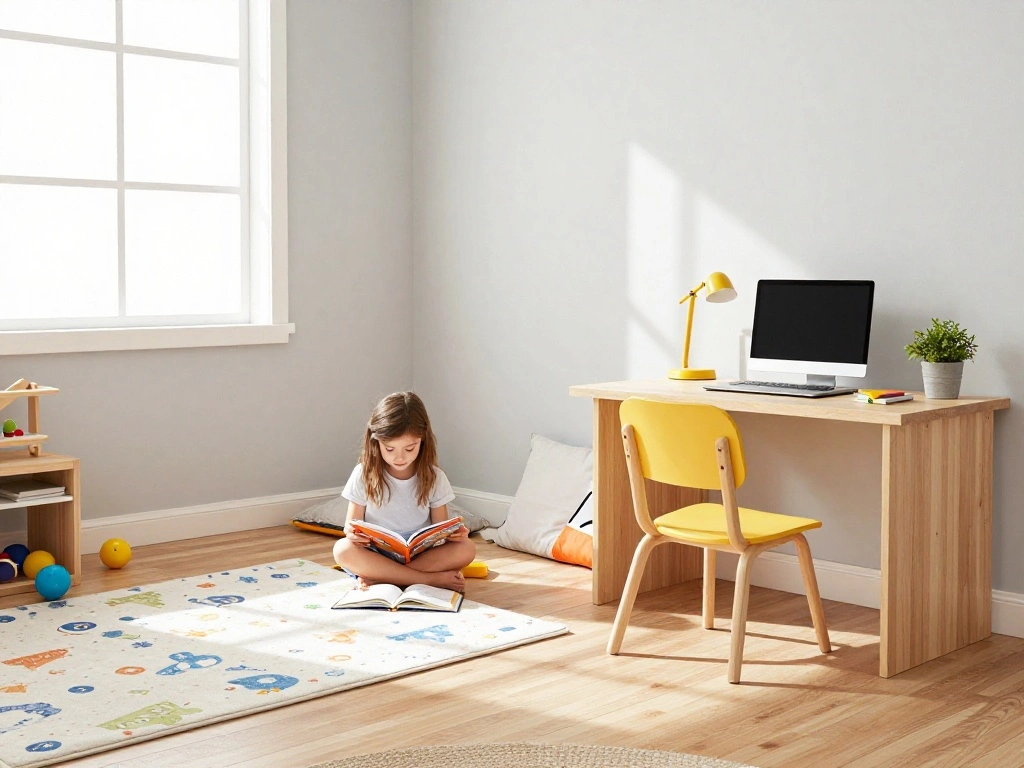
Next, create distinct zones in the room for different activities. This organization method promotes functionality. Do the following:
- Designate a reading nook with a comfortable chair or cushion.
- Set up a play area with easy access to toys.
- Arrange a study corner with a desk and school supplies.
Pro Tip: Ensure each zone is easily accessible to encourage your child to use them.
Time estimate: 30-40 minutes.
Step 3: Create Functional Zones
Editor’s Choice

TidyFriend 4 Pack Stackable Storage Bins Open Front for Pantry Organizer…

Rengue Kids Desk and Chair Set, Height Adjustable Children School Functi…

MAXYOYO 3 in 1 Kids Bean Bag Chair Couch, Convertible Chair Folds from B…
Step 4: Organize Storage Solutions
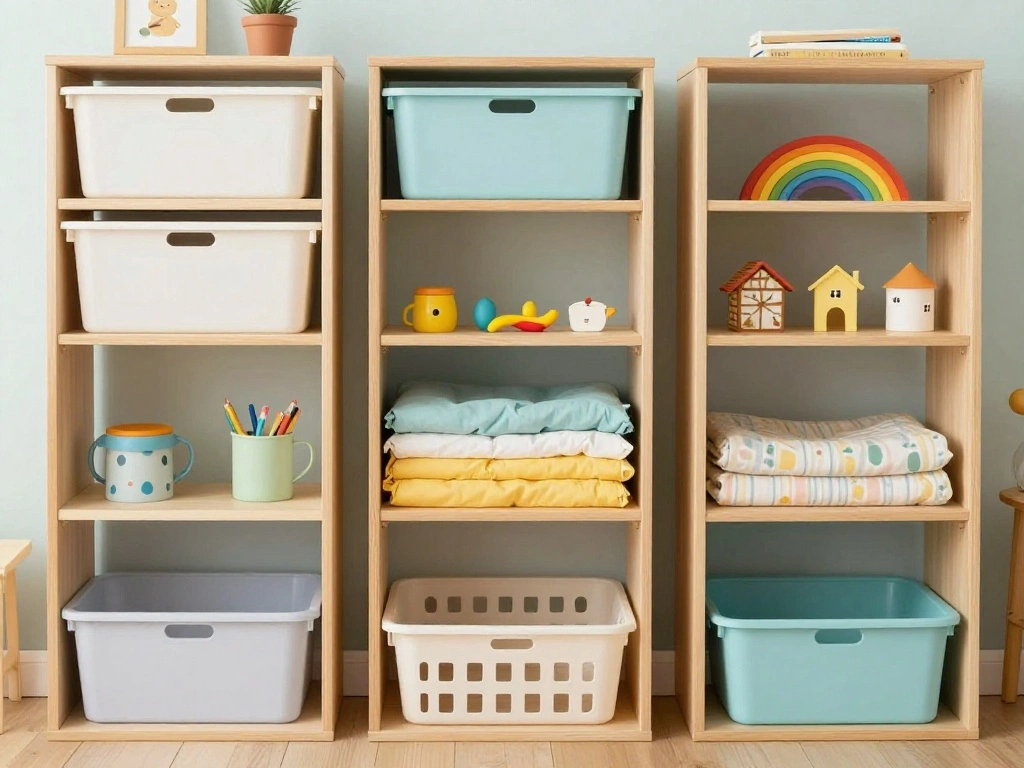
Now, it’s time to implement storage solutions that fit your child’s needs. This step is vital for maintaining an organized space. Here’s how:
- Use shelves for books, placing the most read books at eye level.
- Store toys in bins, stacking them neatly in a corner.
- Incorporate under-bed storage for seasonal clothes or larger toys.
Warning: Make sure storage solutions are safe and accessible for your child.
Time estimate: 30-45 minutes.
Step 4: Organize Storage Solutions
Editor’s Choice
Humble Crew Toy Storage Bins for Kids, Set of 4, Primary Colors, Small -…

Under Couch Storage, 2 Pack Under Bed Containers, Foldable Under Sofa St…
Step 5: Personalize the Space
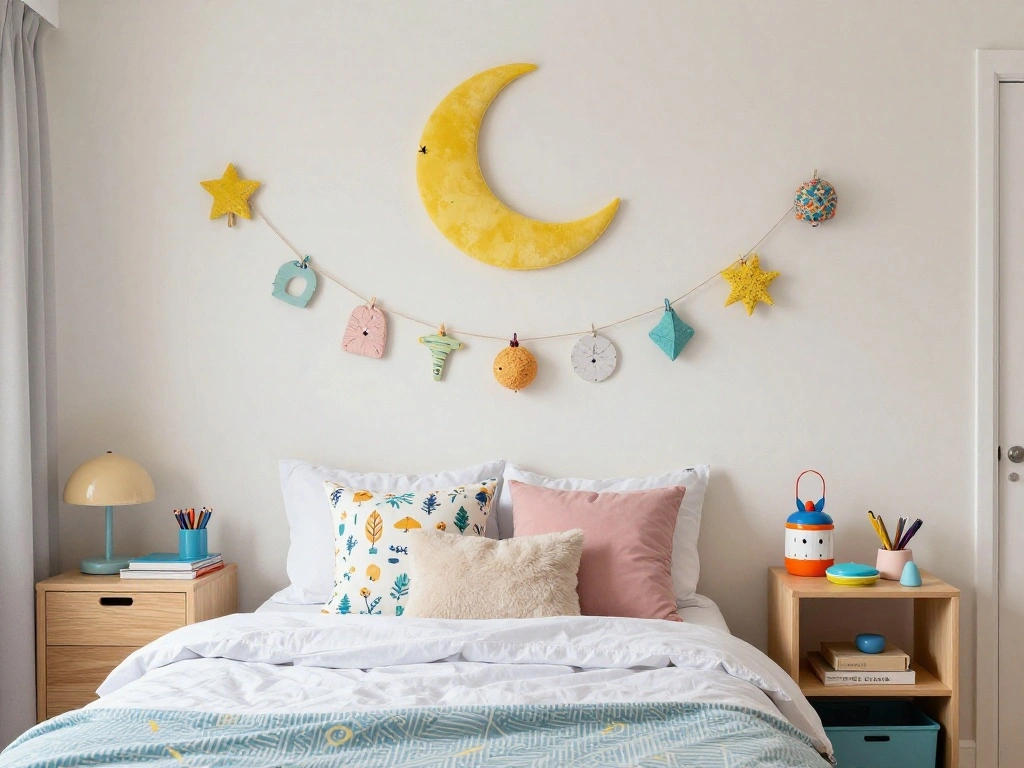
Personalizing the bedroom can make it feel more inviting and encourage your child to keep it tidy. Follow these steps:
- Involve your child in choosing decor that reflects their interests.
- Hang artwork or crafts they’ve made on the walls.
- Use colorful bedding and curtains to brighten the room.
Pro Tip: A personalized space fosters a sense of ownership, encouraging your child to keep it clean.
Time estimate: 30-60 minutes.
Step 5: Personalize the Space
Editor’s Choice
Rectangle Storage Basket with Handles,Collapsible Storage Bin,Books Box,…

100 Pcs Gridwall sign holder clip Plastic grid panel clips Grid display …
Step 6: Establish a Cleaning Routine
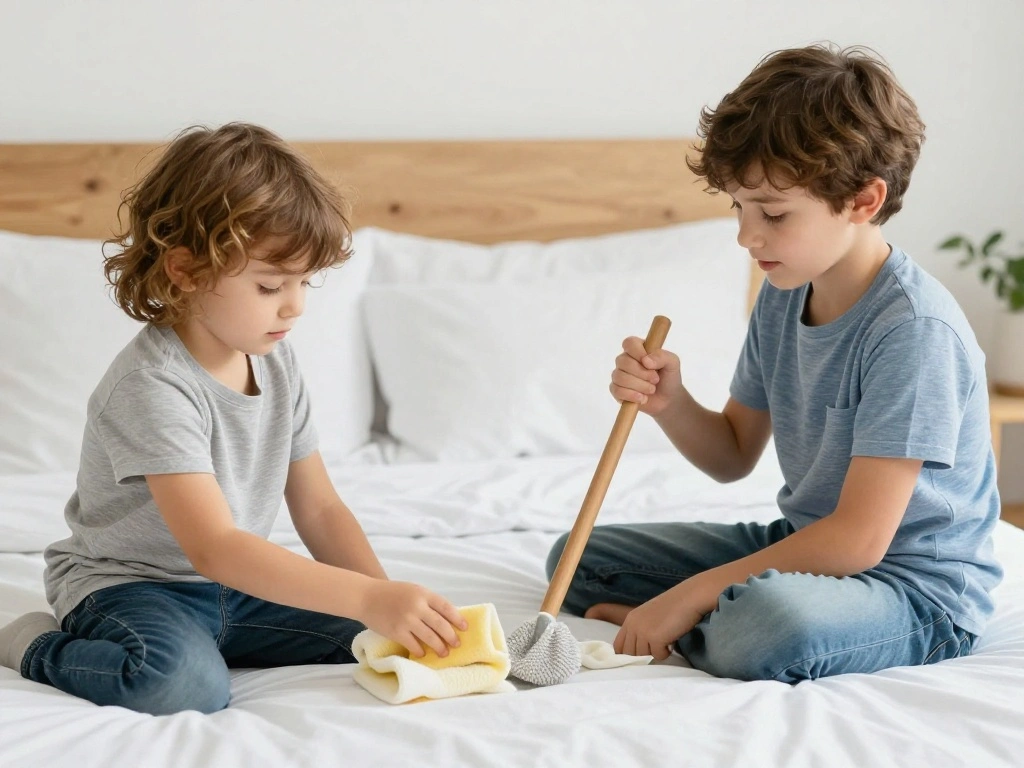
Establishing a cleaning routine is key to maintaining the organization. This step helps develop good habits. Implement the following:
- Schedule a daily 10-minute tidy-up time with your child.
- Encourage them to put away toys after each play session.
- Set a weekly cleaning day for deeper cleaning and reorganizing.
Warning: Consistency is crucial; without it, the room can quickly become messy again.
Time estimate: 15-20 minutes.
Step 6: Establish a Cleaning Routine
Editor’s Choice

StorageWorks 295 Gallon Pool Float Storage, Mesh Pool Toy Storage Bin wi…

Nelko Label Maker Machine with Tape, P21 Bluetooth Label Printer, Wirele…

BYUNER Plastic Shower Caddy Dorm: Portable Cleaning & Shower Caddy with …
Step 7: Reward and Encourage
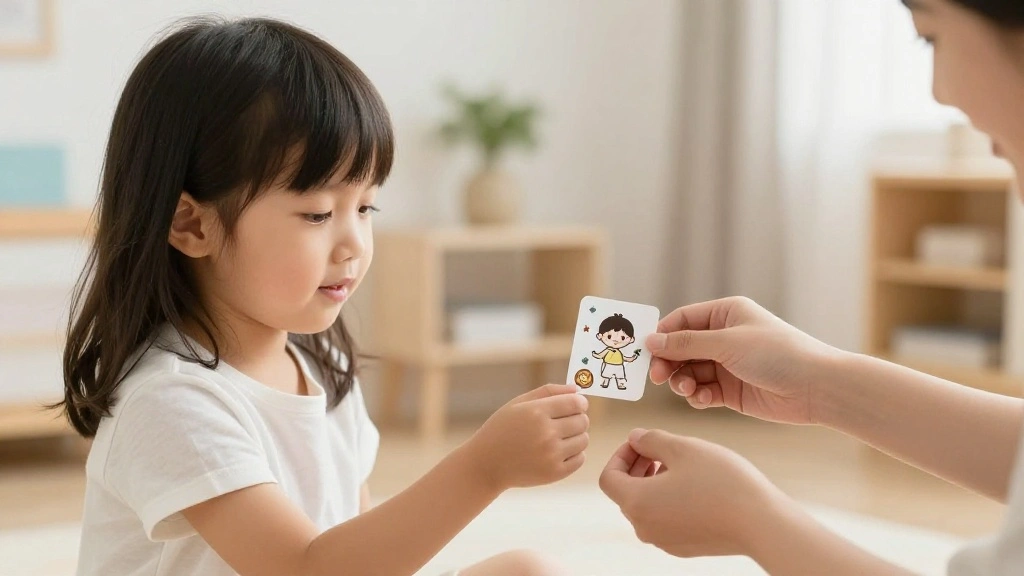
Finally, reward your child for their efforts in keeping the room tidy. This reinforces positive behavior. Here’s how:
- Set up a reward system, such as stickers or tokens for maintaining cleanliness.
- Celebrate milestones, like a month of organization.
- Encourage them verbally and show appreciation for their efforts.
Pro Tip: Positive reinforcement fosters a lifelong habit of tidiness.
Time estimate: 15-20 minutes.
Step 7: Reward and Encourage
Editor’s Choice

Reward jar for Kids with Reusable Tokens, Magnetic Visual Reward System …

Let’s Put That Away! My First Book of Organizing: A Home Edit Board Book…

Utron 80 Pack Reward Chart for Kids, Incentive Chart Behavior Chart for …
Pro Tips
- Routine Maintenance: Schedule regular check-ins to keep the organization on track.
- Rotate Toys: Periodically swap out toys to keep playtime fresh and reduce clutter.
- Incorporate Fun: Make cleaning a game to engage your child actively.
- Use Clear Containers: This allows kids to see what’s inside without opening them.
- Teach Responsibility: Encourage kids to take ownership of their space by assigning tasks.
Pro Tips
Editor’s Choice

8 Pack Extra Large Heavy Duty Moving Bags, Clear Storage Bins with Lids,…


6 Packs Large Toy Storage Bags with Labels, Reusable Clear PVC Board Gam…
Common Mistakes to Avoid
Warning: Overstuffing bins can lead to frustration. Instead, limit the amount of items per bin.
Warning: Neglecting regular maintenance allows clutter to build up. Set reminders for cleaning days.
Warning: Not involving your child can lead to resistance. Include them in decisions to encourage ownership.
Common Mistakes to Avoid
Editor’s Choice

Home Storage Box Classification Label Cards for Winter and Summer Clothe…

Briwooody Discreet Lockable Toy Bag Storage Organizer Toy Bag Storage Bi…

ADHD Cleaning Planner for Adults Women, Cleaning Schedule and Checklist …
Troubleshooting Section
Problem: My child won’t keep the room tidy.
Solution: Set a routine and involve them in the process.
Problem: Too many toys creating clutter.
Solution: Implement a toy rotation system.
Problem: Storage bins are overflowing.
Solution: Re-evaluate what’s kept and declutter again.
Troubleshooting Section
Editor’s Choice

Magnetic Dry Erase Chore Chart – 8.5″x12″ Behavior Responsibility Chore …

Rectangular Storage Basket Fabric Organizer Bin for Toys,Books,Clothes,G…
Variations/Alternative Methods
Consider using a minimalist approach, where you reduce the number of items kept in the room. This can simplify organization and maintenance. Alternatively, use a color-coding system for organizing toys, which can make it visually appealing and easier for kids to understand.
Variations/Alternative Methods
Editor’s Choice
SUPVAN E11 Bluetooth Label Maker Machine with 4 Tapes, Support Keyboard …

Nicunom 6 Pack Cubby Bin Storage Bins, Multi-Purpose Plastic Storage Bin…

Humble Crew Kids Bookshelf, 4-Tier Front-Facing Book Display Organizer, …
FAQs
What if I don’t have enough storage bins?
Use cardboard boxes temporarily or repurpose containers you already have at home.
How long should I expect my child to maintain the organization?
With regular reminders and positive reinforcement, children can maintain tidiness over time.
Is it safe to involve my child in cleaning?
Yes, involving them teaches responsibility and helps them understand the importance of organization.
FAQs
Editor’s Choice

LABELWORKS Epson LW-PX300 Industrial Label Maker for Office – Compatib…
SpaceAid Toy Storage Organizer with 6 Shelves and 12 Bins, Bookshelf/Boo…
Gowee Large Toy Storage Box with Lid, Sturdy Toys Storage Chest Bin Orga…
Conclusion
Congratulations on organizing your child’s bedroom! You have created a tidy and functional space that can enhance their play and relaxation. Remember to regularly maintain the organization through routines and positive reinforcement.
As a next step, consider exploring other areas of your home that may need similar organization. Keep up the great work, and inspire your child to take pride in their space!