
Creating a cozy and functional space for siblings can be a real challenge, especially when they are of different ages. As someone who has been there, I understand the struggle to find shared kids bedroom ideas that cater to both their needs and personalities. This post is designed to help you transform that shared space into a charming retreat that reflects each child’s individuality while still being a cohesive area.
If you’re a parent or guardian seeking practical solutions for decorating and organizing a shared bedroom, you’ve landed in the right place. You’ll find inspiration here that not only makes the room look great but also works for kids who have different interests and lifestyles. I’ve gathered eight fun and creative designs that are both functional and stylish, so you can create a space where siblings can thrive together.
By the end of this guide, you’ll be equipped with practical tips and fresh ideas that will help you maximize their shared room. From color-coded zones to playful storage solutions, these shared kids bedroom ideas can foster harmony and individuality. Let’s dive into these exciting options that are sure to spark joy and creativity in your home!
Key Takeaways
– Get inspired by creative themes that can define the room, making it a fun and personalized space for each child while still maintaining harmony.
– Bunk beds can save space and create a playful atmosphere, perfect for siblings who love to share adventures and sleepovers.
– Color-coded zones help designate personal areas, allowing each child to express themselves while keeping the shared space organized.
– Multi-functional furniture is essential for maximizing small bedrooms, giving you flexibility and practicality in your design choices.
– Incorporating cozy corners and workstations can foster creativity and provide dedicated spots for play and study, enhancing the overall functionality of the room.
Recommended Products

Material -This bed tent is made of polyester cotton fabric and reinforced with sturdy fiberglass poles, sturdy don not worried about your child moves around a lot in their sleep. 76.3x 38.5x47.2 inch

UNIQUE PLAY SPACE: This Spider-Man Loft Bed Tent instantly creates a play space or remote learning area under your child’s bed without taking up additional floor space | Tent features a mesh window and roll-up front panel | Bed not included

【Heavy Duty Metal Bunk Bed Frame for Kids & Teens】Crafted with a reinforced steel structure and durable metal slat support for exceptional stability and long-lasting performance. Ideal for active kids, growing teens, and shared bedrooms, delivering dependable support, reduced noise, and years of everyday use.
1. Bunk Bed Bonanza

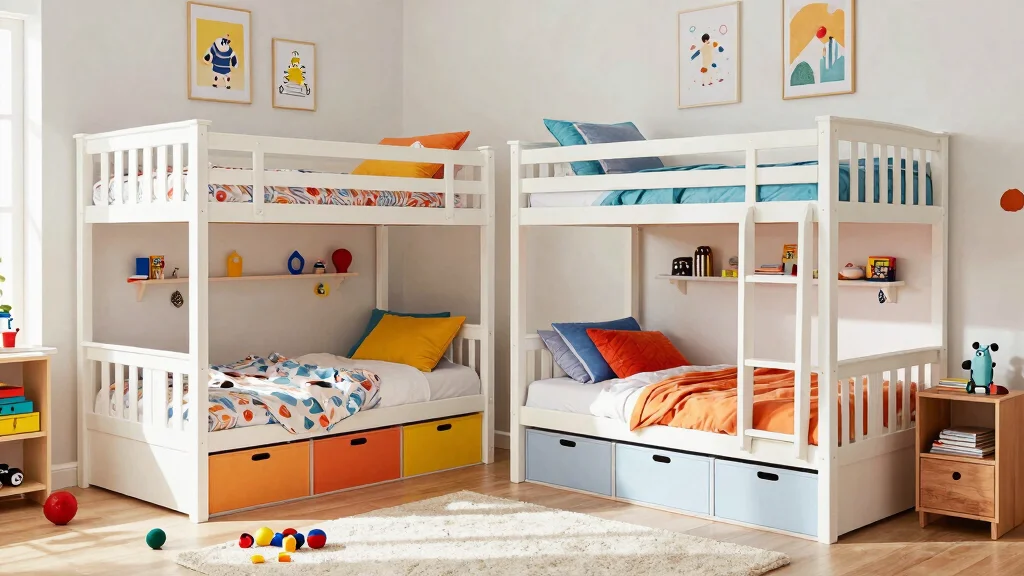
Embracing the charm of bunk beds is a fantastic way to optimize space in a shared bedroom. Their vertical design not only saves floor area but also adds a playful element that kids love. Choose from sleek metal frames for a modern touch or warm wooden styles for a cozy vibe. Personalize the bedding with vibrant colors and patterns for the younger sibling, while the older child can opt for a more sophisticated look that reflects their taste.
To enhance the fun, consider adding a slide or a tent to the top bunk, creating an exciting retreat for your little ones. The area beneath can transform into a cozy reading nook or vibrant play zone with some cushions and bookshelves. Don’t forget personal touches like wall decals or framed photos to make both children feel at home in their shared space.
– Choose bedding that showcases each child’s personality while complementing each other.
– Create a designated play area beneath the bunk for easy access to toys.
– Utilize under-bed storage for extra clothes or toys, keeping the room organized.
This design fosters a sense of ownership while enhancing the room’s overall aesthetic. The combination of textures from bedding and furniture adds depth and warmth to the space.
Fun fact: bunk beds are a smart move in shared kids bedroom ideas — they can free up 30-40% of floor space for play or study. Personalize the bedding to match each kid’s style, and you’ve got a space that’s both practical and playful.
Recommended Products

【Sturdy Construction】Made of high-quality solid pine wood and MDF with reliable construction, this bunk bed frame can last for long time use and ensure strong stability and durability.If there is any problem, please visit our website: Merax.com or contact us via this email: csr@merax.com

【Maximize Bedroom Space】- This twin over twin bunk bed is designed to save valuable floor space, allowing room for desks, dressers, or play areas. It includes two large storage drawers and a staircase with built-in compartments, providing ample space to organize clothes, toys, and daily essentials—keeping your child’s room tidy and clutter-free.

🥇【Fun House-Shaped Loft Bed】This twin house loft bed features a playful roof design, stairs, and slide, turning bedtime into an adventure. The unique playhouse style encourages imagination while also offering a cozy sleeping space, perfect for creating a dreamy kids’ bedroom.
Bunk Bed Bonanza
Editor’s Choice

Twin Kids Comforter Set – 5 Pieces Twin Bedding Sets for Boys, Glow in T…


Bunk Bed,Bunk Bed Twin Over Twin with Power Outlet and LED Lights,Heavy-…
2. Color-Coded Zones
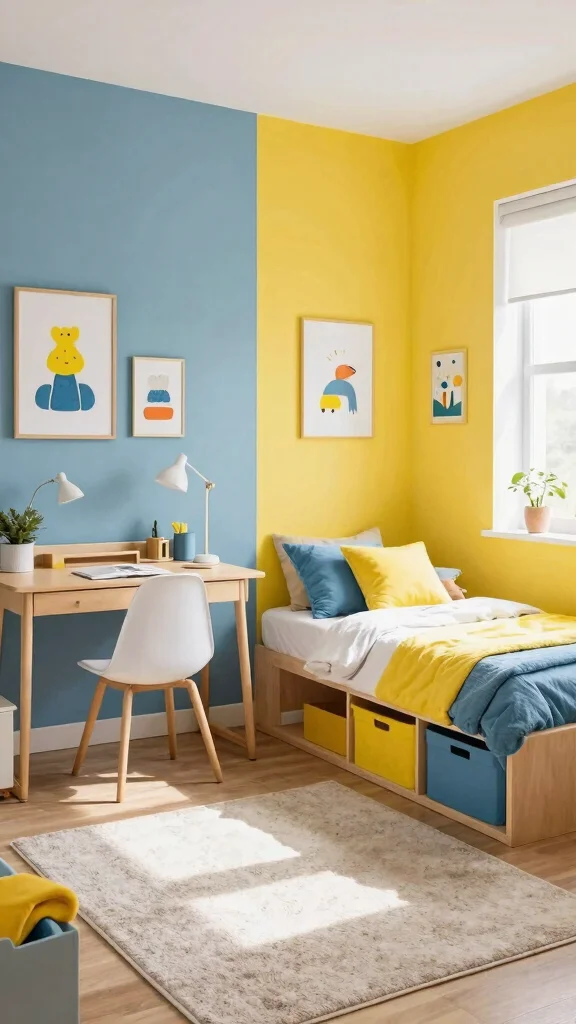
Incorporating color-coded zones can beautifully delineate spaces for each sibling while maintaining a cohesive look. By using distinct paint colors or wallpaper patterns, you can create a calming blue side for the older child and a cheerful yellow for the younger one. This visual separation promotes individuality and ownership while still celebrating their shared room.
Stick to complementary colors for the overall decor to ensure harmony. For instance, if one zone features pastel tones, balance it with light neutrals in shared areas. Each child can infuse their personality through toys, books, and art, all tied together by a consistent color scheme.
– Use rugs in contrasting colors to clearly define each child’s space.
– Incorporate matching storage solutions that enhance both style and organization.
– Choose artwork that connects both zones through a common theme, like favorite animals.
This approach not only enhances the visual appeal but also encourages creativity and connection between the siblings.
Recommended Products

Hold Up to 66lbs: Yecaye under bed storage with wheels is made of high quality 300D PU fabric and sturdy metal frame, can hold up to 66 lbs, stronger than other fragile metal mesh, spacious capacity perfect for storing clothes, toys, books, shoes and other heavy items also won't compromise stability and durability

Under-the-bed storage bag (2-pack) helps keep items safely stored, freeing up extra closet and drawer space

Leather Handles&Rotating wheels: our underbed storage is equipped with leather handles, which are comfortable to hold; it comes with 4 x 360°rotating wheels, two of which have locking function; when placed under the bed, the wheels make it very convenient to push and pull
📹 Related Video: 10 Best Sherwin-Williams Kids’ Bedroom Paint Colors (2025) for a Calm, Happy, and Stylish Space
🛏️ Bedroom Makeover Magic Awaits!
Transform your kids’ shared bedroom into a cozy, harmonious space with our easy-to-use planner workbook.
Dimensions & Size Guide
When designing a shared kids’ bedroom, understanding dimensions and space requirements is crucial. You want to create a comfortable environment for both children, ensuring they have their own space while still sharing a room effectively. Here’s how to get it right.
Standard Sizes & Measurements:
– Bunk Beds: Standard bunk bed dimensions are typically 39″ x 75″ for twin beds. Ensure there’s at least 30 inches of clearance above the top bunk for safety and comfort.
– Twin Beds: For a twin room design, each bed should occupy 39″ x 75″. If you’re fitting two beds, allow for at least 3 feet of space between them to make bed-making and movement easier.
– Wardrobes & Dressers: A standard dresser is around 30-36 inches tall and between 30-60 inches wide. Ensure there’s a minimum of 3 feet of space in front of the dresser for easy access.
– Desks & Workstations: Each desk should be at least 24″ deep and 48″ wide to accommodate homework or crafts. Plan for 3 feet of clear space in front of each workstation for chairs and movement.
– Play Areas: Allocate at least 5 feet by 5 feet for a shared play space. This allows enough room for toys and activities without crowding the room.
Quick Reference Table:
Size/Dimension – Best for: [use case], Minimum space needed: [measurement]
– Bunk Bed: – Best for: maximizing vertical space, Minimum space needed: 5′ x 7′
– Twin Beds: – Best for: individual sleeping areas, Minimum space needed: 6′ x 9′
– Dresser: – Best for: clothing storage, Minimum space needed: 3′ x 3′
– Desk: – Best for: homework/study area, Minimum space needed: 3′ x 3′
– Play Area: – Best for: shared playtime, Minimum space needed: 5′ x 5′
Space Planning Tips:
1. Measure Twice: Always measure the room before buying furniture. Double-check dimensions to avoid mistakes and ensure everything fits comfortably.
2. Use Tape: Lay down painter’s tape on the floor to visualize where furniture will go. This helps you see how much space each item will occupy.
3. Consider Door Swings: Make sure to account for doors opening and closing. Furniture placement should not obstruct access to closets or entryways.
4. Think About Traffic Flow: Ensure there’s enough space for movement between beds, dressers, and play areas. Ideally, pathways should be at least 2-3 feet wide.
5. Adapt to Growth: Kids grow quickly, so keep future space requirements in mind. Select adjustable furniture that can change as the kids age.
Pro Tip: The most important measurement is the height and clearance of your bunk bed. Make sure to have at least 30 inches of space above the top bunk for safety and comfort. This guarantees a cozy sleeping environment and easy access for both kids!
Recommended Products

𝐕𝐈𝐁𝐑𝐀𝐍𝐓 𝐏𝐀𝐒𝐓𝐄𝐋 𝐒𝐓𝐎𝐑𝐀𝐆𝐄 𝐂𝐔𝐁𝐄𝐒: Brighten your home with a storage cubes 6 pack in blue, green, red, yellow, orange, purple. These colorful storage cubes and multicolor storage bins are perfect for the nursery, closet, or kids’ room, offering Rainbow bins, rainbow bins, and Rainbow baskets for vibrant, tidy organization.

12/24 BRIGHT-COLORED BASKETS - Featuring 6 vibrant primary olors, red, orange, yellow, green, blue, purple. Our classroom storage baskets can help children keep their items organized more easily. Ideal for rainbow classroom storage, cubby bins, desk organization, toy bins, and small item baskets.

𝐕𝐈𝐁𝐑𝐀𝐍𝐓 𝐏𝐀𝐒𝐓𝐄𝐋 𝐒𝐓𝐎𝐑𝐀𝐆𝐄 𝐂𝐔𝐁𝐄𝐒: Brighten your home with a storage cubes 6 pack in lavender purple, pink, soft yellow, peach, baby blue, and mint green. These colorful storage cubes and multicolor storage bins are perfect for the nursery, closet, Classroom Organization, or kids’ room, offering pastel bins, rainbow bins, and pastel baskets for vibrant, tidy organization.
Color-Coded Zones
Editor’s Choice

Ohmlove 4 Packs Storage Bins with Bamboo Lids – Plastic Storage Containe…

Wall Border Road Stickers Street Nursery Decor Boys Bedroom Decals Vehic…

Crayola Washable Kids Paint Set (12ct), School Supplies for Kids, Classi…
3. Twin Room Design with a Theme
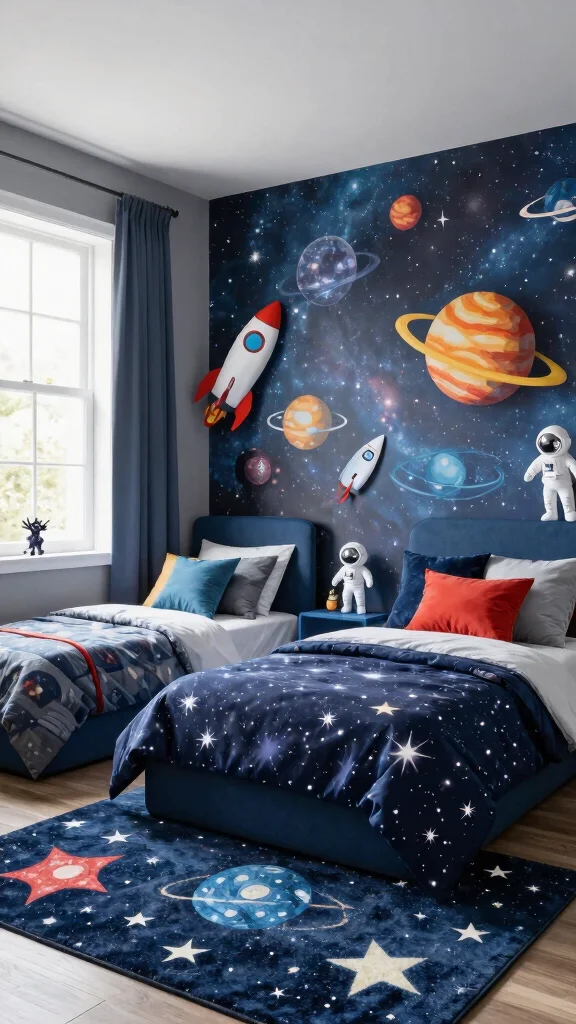
Crafting a twin room around a fun theme can spark joy and excitement for siblings who share common interests. Whether it’s a whimsical dinosaur adventure or a stellar space exploration, a themed room provides a cohesive look that both kids will adore. Plan the design with themed bedding, wall art, and rugs that tie the concept together beautifully.
For a space theme, think about glow-in-the-dark stars on the ceiling paired with space-themed bedspreads and astronaut figurines. Each sibling can add their unique flair—one may choose action figures while the other prefers posters or books.
– Allow each child to personalize their space within the theme, mixing in their favorite colors.
– Incorporate thematic curtains or wall stickers to elevate the design.
– Use a large area rug that unifies the theme and enhances the room.
This thematic approach not only fosters creativity but also strengthens the bond between the siblings through shared interests.
Recommended Products
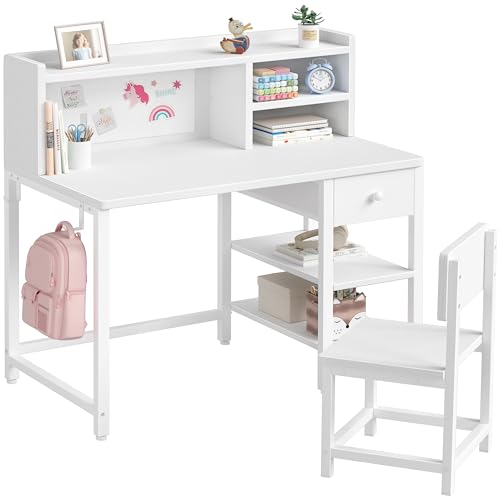
Kids Study Desk with Chair: Over dimension is 18.5"D x 43.7"W x 39.6"H,the top wood could support to 40lbs.Chair dimension: 14"D x 13.8"W x 27.1"H

5-IN-1 MULTIFUNCTIONAL DESIGN: This kids table and chairs comes with a hidden lift bar that easily converts the table into an art easel. In easel mode, the under-table storage space instantly transforms into a building block area or craft corner. When closed, it transforms back into the ideal teaching/study toddler desk for kids. With a large 42.9“ L x 22” W tabletop, it provides ample space for parent-child guidance or activities, and is perfect as an art table, game table or dining table.

RECOMMENDED USE: Recommended for ages 3+; Holds up to 50 lbs.
Twin Room Design with a Theme
Editor’s Choice

Glow in The Dark Stars – Includes Installation Material and Star map, 20…

Celestial Starry Night Sky Area Rug 8×10 – Black Gothic Constellation Ca…

Constellation Bed Sheets, 4-Piece Sheet Set, Celestial Space Witchy Star…
4. Personalized Play Spaces

Creating personalized play spaces in a shared room is essential for nurturing each child’s individuality. Designate a vibrant area with a colorful rug where toys, games, and art supplies are easily accessible. Provide tailored storage solutions—such as a toy chest for one and a bookshelf for the other—to help each child embrace their interests while sharing the same environment.
Open shelving can display both kids’ favorite toys and books, while fun bins or baskets in different colors can help organize their belongings. This encourages tidiness and makes it easy for them to find and put away their favorite items after playtime.
– Establish an inviting play area that feels special for each child yet cohesive.
– Include storage solutions that are height-appropriate for easy access.
– Use multi-functional furniture, like ottomans that serve as storage.
This thoughtful setup fosters a sense of ownership and collaboration, enriching the overall atmosphere of the room.
Recommended Products

Comforter Set: This kids twin bed set includes a comforter 64 x 88 inches and matching pillow shams 20 x 26 inches, giving the bed a finished look with minimal effort. Featuring themed designs, it helps kids ease into bedtime routines while keeping bedrooms tidy each morning.

Material -This bed tent is made of polyester cotton fabric and reinforced with sturdy fiberglass poles, sturdy don not worried about your child moves around a lot in their sleep. 76.3x 38.5x47.2 inch

【Enhanced Safety for Kids】This low loft bed features a 13.8" extended guardrail, a heavy-duty metal frame up to 400 lbs, rounded corners, anti-toppling device, and a wide ladder with soft foam padding makes climbing safer for little feet. Fits 4–6" mattresses to keep children securely in place through the night.
You might also like
Personalized Play Spaces
Editor’s Choice


Extra Large 8×10 Area Rugs for Living Room Decor, Non-Slip Shaggy Tie-Dy…

Leeshyah Wooden Toy Shelf for Kids, Montessori Book & Toy Organizer with…
5. Shared Workstations
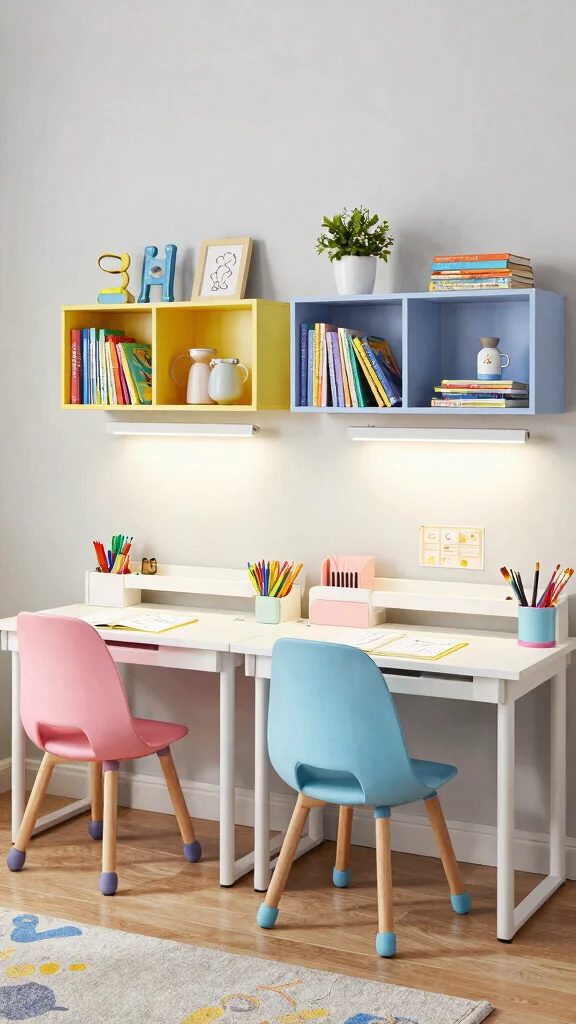
Establishing shared workstations in a kids’ bedroom can cultivate a productive and collaborative environment. A dual-desk setup accommodates different needs, with one side dedicated to homework and the other focused on creative projects like drawing or crafting. Bright, adjustable lighting at each desk enhances functionality and keeps the space inviting.
To maintain a sense of harmony, select similar desk styles, allowing each child to personalize their workspace with favorite stationery, photos, and decor. This setup encourages collaboration on group projects while still giving them their own space to work.
– Utilize wall-mounted shelves above desks for books and supplies to minimize clutter.
– Include bulletin boards for each child to display ideas and artwork.
– Consider desk organizers that match yet reflect each child’s unique style.
This functional design not only promotes productivity but also inspires creativity and teamwork between siblings.
Recommended Products
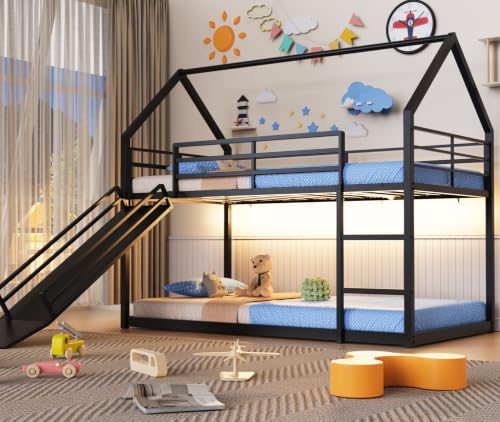
【40° Gentle Slide, Built for Safe Fun】 A safer slope for sliding fun: our bunk bed with slide upgrades to a 40° incline — flatter than typical 50° designs — helping kids develop balance and coordination naturally. The slide is designed to install on the left side only, so please measure your room layout before order.

【All-in-One Kids’ Low Loft Bed】—It's More Than Just a Twin Bed, It's a Childhood Wonderland! DICTAC twin loft bed combines sleeping, storage, play and a secret fort in one smart unit. Growing with your child—from a slide bed for toddlers to a cozy loft for older kids.Every stage fosters independence,sparks creativity,offers a cozy personal retreat.From laughter-filled rides down the slide to quiet loft moments, this kids bed with slide and storage is sure to become their favorite spot in the room.

Playhouse Design with Slide: It’s more than a bed—it’s a childhood dream fortress! This house-style bunk bed features a playful slide and a window box shelf for storage, creating a dedicated world for sleep, imagination, and everyday adventures.
Shared Workstations
Editor’s Choice

Marbrasse Pen Organizer with 2 Drawer, Multi-Functional Pencil Holder fo…

Airlonv LED Desk Lamp for Office Home, Eye-Caring Desk Light with Steple…

Tribesigns Two Person Desk with Monitor Stand, 78.74″ Long Double Comput…
6. Playful Storage Solutions

In a shared kids’ bedroom, playful storage solutions play a vital role in keeping the space organized and enjoyable. Think creatively with storage that serves as decor—brightly colored bins and baskets can house toys, while whimsical wall hooks might hold backpacks or hats. Select designs that appeal to both age groups, ensuring functionality without sacrificing fun.
For instance, consider animal-shaped storage bins or shelving that resembles a tree, giving each child their personal space. Personalizing storage items can encourage kids to take pride in tidying up, making it a fun task to put away their belongings.
– Utilize vertical space for storage to maximize floor space in smaller rooms.
– Label bins with pictures or colors to help younger siblings identify where things belong.
– Create a fun organizing system, like a “toy rotation” setup to keep playtime fresh.
This approach not only keeps the room clutter-free but also adds a touch of whimsy to the decor.
Shared kids bedroom ideas come to life when storage doubles as decor. Use whimsical bins and wall hooks you both love, and label zones for toys and gear—it’s practical, playful, and keeps a shared space peaceful for two different ages.
Recommended Products
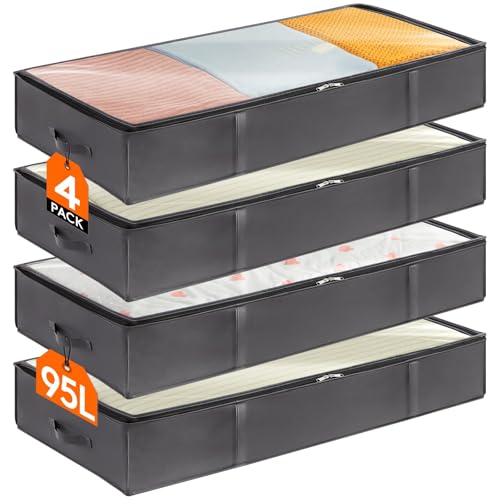
Large Capacity: This under bed storage bag measures 39.4"(100cm) x 19.7"(50cm) x 7.1"(18cm) and has a capacity of 95L which can easily hold 20 sweaters, 4 thick blankets and 14 sheets. Ideal for under-bed storage, closet or shelves.

【Metal Mesh Material】This under bed storage container is made of metal mesh material, which not only has good load-bearing capacity, but also can be ventilated

Premium Material : The under bed storage containers are made from high-quality, odorless, three-ply composite non-woven thick fabric, foldable and breathable, keep clothing fresh from long-term storage. NO cardboard NOR metal supports insert, arrive to you collapsed and packaged in a clear storage bag.
Playful Storage Solutions
Editor’s Choice

GAMENOTE 6 Quart Storage Bins with Lids, Plastic Latching Box for Classr…

VASAGLE Bookshelf, Tree-Shaped Bookcase with 13 Storage Shelves, Rounded…

Umbra Buddy Wall Hooks – Decorative Wall Mounted Coat Hooks for Hangin…
7. Cozy Reading Corner

A cozy reading corner is a must-have in any shared bedroom, offering a retreat for both siblings to dive into their favorite stories. Create a nook with comfortable seating options, such as bean bags or a cushioned bench, surrounded by bookshelves filled with their favorite reads. Plush throws and pillows make this space inviting for all ages.
Consider incorporating tiered shelving to inspire a love for books, ensuring selections suit both age groups. This encourages shared reading experiences and exploration of various genres. Personal touches like a small floor lamp and a bulletin board for book recommendations can make the area feel truly special.
– Use soft, warm lighting to create an inviting atmosphere in the reading corner.
– Add a small table for snacks or art supplies to foster creativity.
– Rotate book selections regularly to keep the corner engaging.
This inviting setup not only promotes reading but also strengthens the bond between siblings through shared interests.
Did you know that a cozy reading corner can boost daily reading time by up to 30 minutes? For your shared kids bedroom ideas, add tiered shelving and comfy seating—siblings share space and stories, and you create a literacy haven that fits every age.
Recommended Products
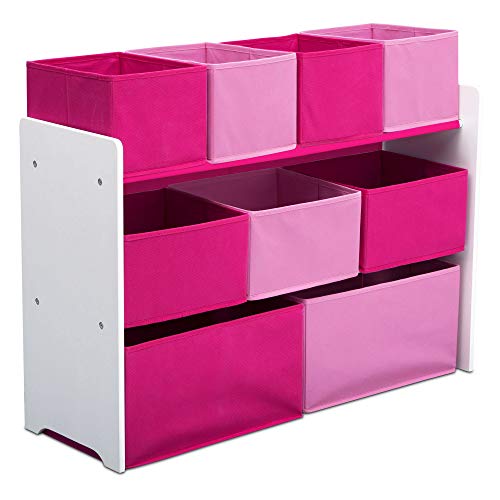
Recommended for ages 3 to 6
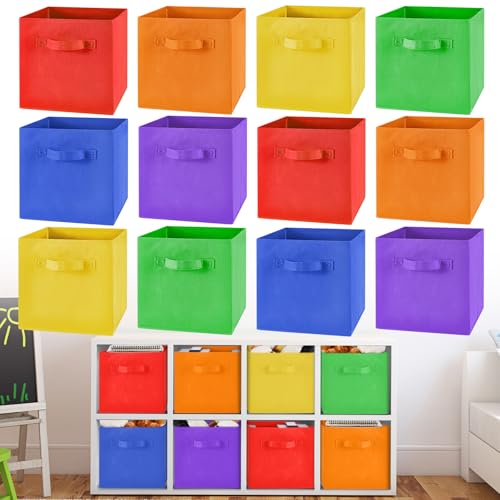
Collapsible Storage Bins: what you will receive are 12 pieces of cube storage organizer bins, available in red, orange, blue, yellow, green, purple colors, 2 pieces of each color, which will keep household items tidy and organized, the bright colors can blend well with interior decors and add energy to your home

Abundant Storage Space: our kids storage cubes come as a pack of 6, providing plenty of storage space for your books, toys, clothes, and other small items, this increased quantity allows for easy sorting of items and efficient organization, freeing up more room in your living area
You Might Also Like
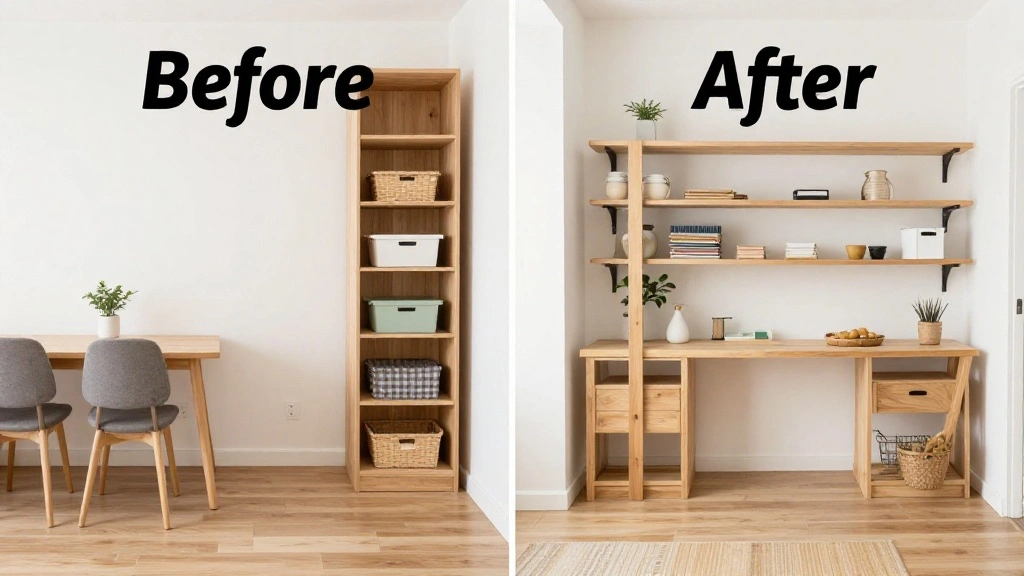
Cozy Reading Corner
Editor’s Choice

Humble Crew Kids Bookshelf, 4-Tier Front-Facing Book Display Organizer, …

Delta Children – GapKids Reading Nook with Padded Bench – Greenguard Gol…

Big Joe Classic Bean Bag Chair for Kids Bedroom and Reading Nook, Easy-C…
8. Multi-Functional Furniture
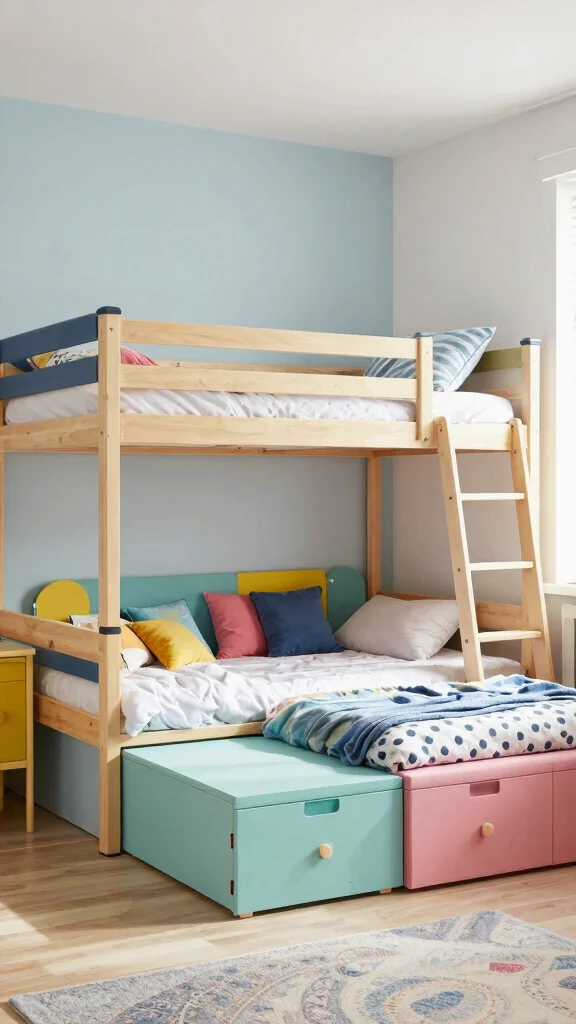
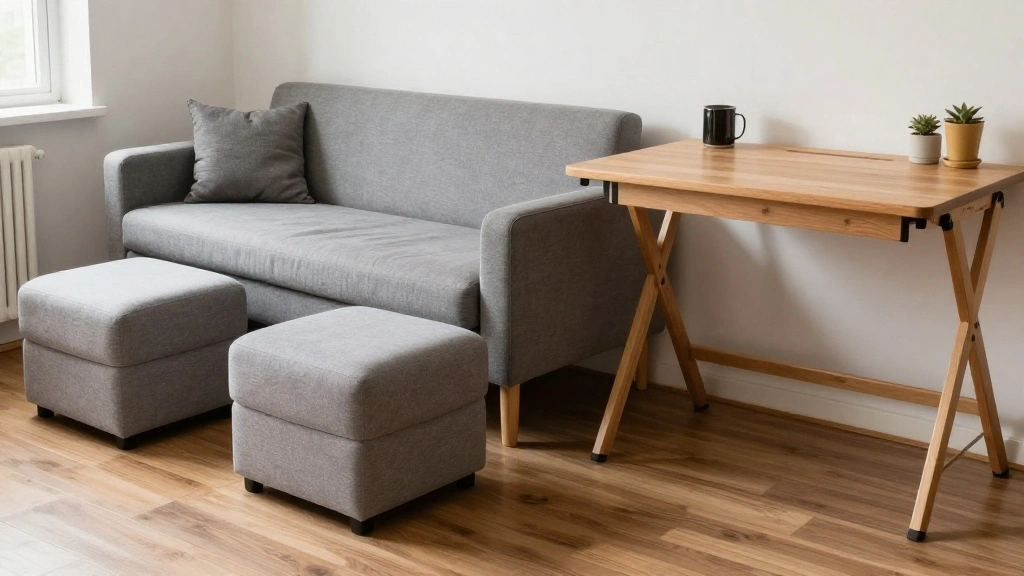
In a shared space, multi-functional furniture becomes essential for maximizing utility. Look for beds with built-in storage drawers, desks that can fold away, or ottomans that double as toy storage. These pieces save space while adding versatility to the room. Choose designs that appeal to both age groups, ensuring that the furniture feels inviting and fun.
Consider incorporating a convertible sofa that transforms from seating to a sleeping area for sleepovers or playdates. This adaptability adds dynamism to the room, making it enjoyable for both siblings. Personalize these furniture pieces to reflect each child’s individuality while maintaining a cohesive room design.
– Choose durable and easy-to-clean furniture, especially for shared spaces.
– Ensure all pieces are age-appropriate and safe for both siblings.
– Mix and match styles that complement each other to achieve a harmonious design.
This thoughtful approach not only enhances the room’s functionality but also contributes to a warm and inviting atmosphere.


Multi-Functional Furniture
Editor’s Choice
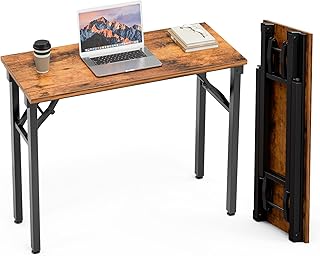
TEMI Small Computer Desk Folding Table – 35.8″ Foldable Office Desk, No …

Flamaker Futon Sofa Bed Modern Folding Futon Set Convertible Recliner Lo…

BTHFST Bunk Bed Twin Over Twin with Stairs, LED Lights Twin Bunk Bed wit…
Conclusion
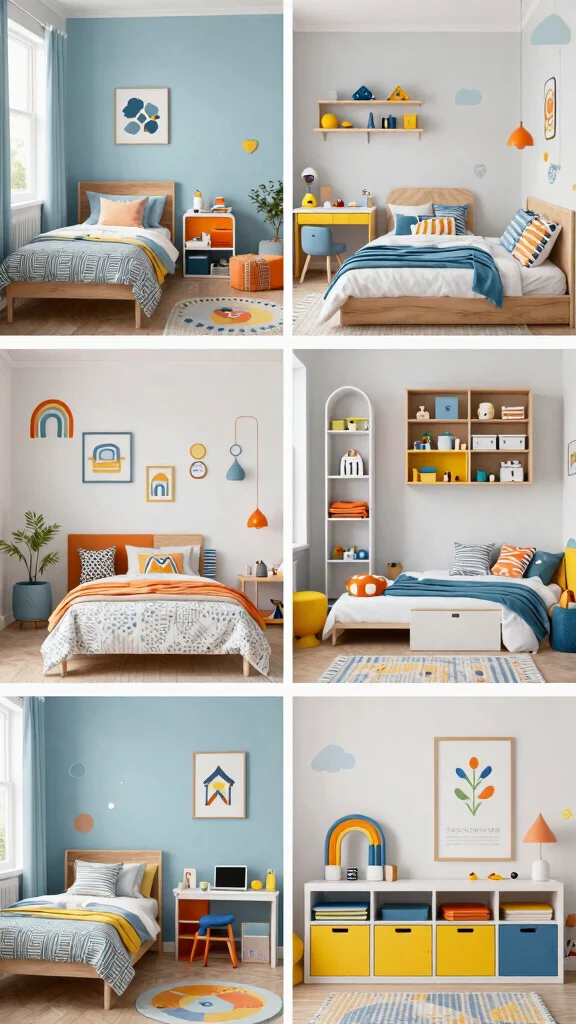
Transforming a shared bedroom for siblings with different age groups is an exciting journey that blends both aesthetics and functionality. By implementing these eight ideas, you’re not only creating a harmonious living space but also fostering individuality and collaboration among your children. Shared rooms can truly become a canvas of creativity, organization, and joy. So why not take a step forward in crafting a dream bedroom where both kids can thrive? Embrace the challenge, and let their personalities shine!
Note: We aim to provide accurate product links, but some may occasionally expire or become unavailable. If this happens, please search directly on Amazon for the product or a suitable alternative.
This post contains Amazon affiliate links, meaning we may earn a small commission if you purchase through our links, at no extra cost to you.
Frequently Asked Questions
What are practical, age-friendly layout ideas for a shared kids bedroom for two?
Design with two clearly defined zones: sleeping, study, and play. For two kids, consider either two separate beds (side-by-side with a privacy screen or a compact bunk bed) or two beds with a slim divider to create personal space.
Choose modular furniture that can grow with them, like adjustable desks, shelving towers, and storage cubes. Keep the color palette cohesive but give each child a personal touch with accent colors or bedding in their favorite hues.
Prioritize safety with rounded edges and sturdy guardrails, secure wall anchors, and soft under-beds for hidden storage. This is how you apply shared kids bedroom ideas that feel organized and welcoming.
How can you maximize small bedrooms when two kids share the space?
Make every inch count by using vertical storage, built-ins, and multi-functional furniture. Think tall bookcases, wall-mounted desks, and drawers that tuck under beds. Use two narrow beds or a bunk with a low profile, leaving floor space for a shared play area. Color-block zones to visually separate sleeping from study. Use removable decals to personalize without big decor costs. With these ideas for maximizing small bedrooms, two kids can share without feeling cramped.
How can you keep the room cohesive yet age-appropriate for siblings with different ages?
Create a cohesive base with a neutral wall color and unified furniture, then tailor each side with kids bedroom decor and accessories that suit each age. Use two distinct color accents per bed, a shared rug, and a shared desk area but personal storage. Rotate or swap out themes as they grow, sticking to children’s room themes that are flexible. This helps balance shared space organization with individuality.
What are effective shared space organization tips to reduce clutter and conflicts?
Set up a zone system: sleeping zone, study zone, and play zone, and label storage so each child has a sense of ownership. Use color-coded bins and personal shelves to keep belongings in place. Install a built-in or tall storage solution to free floor space and make cleaning quick. Establish a simple rotation for frequently used items and keep a weekly tidy-up routine. These steps align with shared space organization practices and help minimize conflicts.
What budget-friendly twin room design ideas still give each child a sense of individuality?
Go for budget-friendly twin room design ideas that feel personal. Start with paint to create two color accents, then use removable wall decals or DIY canvas art for each side. Choose modular furniture that adapts as they grow and reuse pieces in other rooms later. Mix affordable children’s room themes that coordinate, not clash, and add small personal touches like name plaques or favorite bedding. With a little planning, you can create a stylish, practical shared space.
Related Topics
shared kids bedroom
sibling decor
small bedroom solutions
twin room design
kids room themes
space organization
colorful decor
age-diverse rooms
DIY kids furniture
budget friendly
creative storage
playful designs