
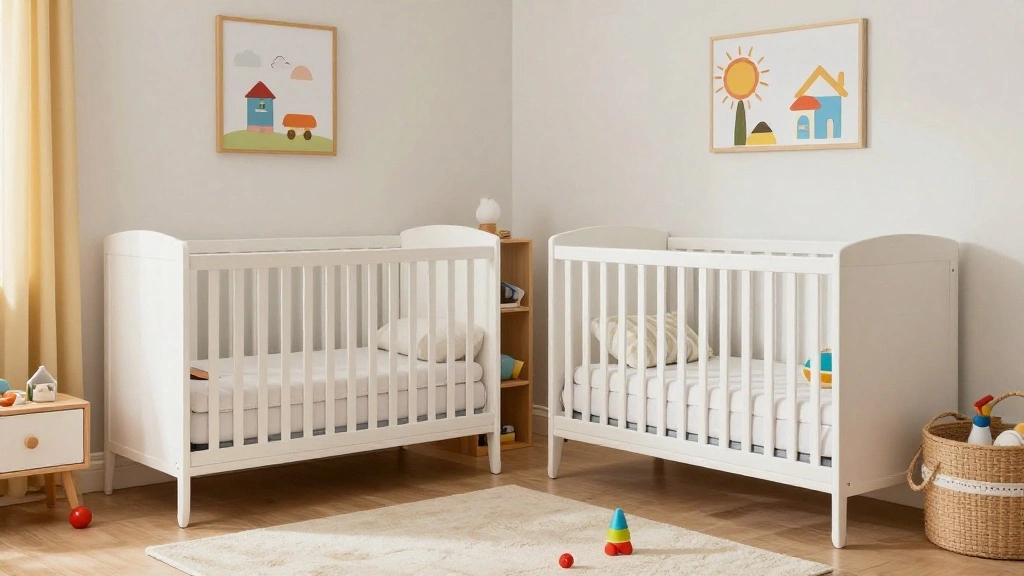
As your little one grows, the need to transition from a cozy nursery to a vibrant toddler bedroom becomes urgent. This change is not just about aesthetics; it’s a crucial step in promoting independence and encouraging creativity in your child. If you don’t act soon, your toddler may feel confined or uncomfortable in their nursery, which can affect their sleep and overall mood.
In this guide, you will learn how to effectively transform your nursery into a toddler-friendly space that reflects your child’s growing personality. You’ll accomplish a stylish and functional room that makes bedtime exciting and fosters independence.
You will specifically learn about the essential steps involved in this transition, including selecting the right furniture, organizing toys, and implementing safety measures. This guide is suitable for beginner decorators and will take an estimated 2-3 hours to complete. Let’s dive into creating a space that your toddler will love!
TL;DR Summary
- Assess your current nursery and identify necessary changes.
- Choose toddler-friendly furniture and decor.
- Incorporate safety measures for a secure environment.
- Organize toys and create a play area for creativity.
Recommended Products
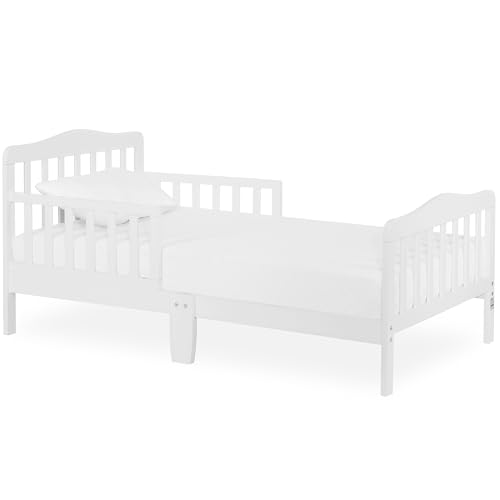
THE PERFECT TRANSITION BED – Designed as a safe and comfortable step between crib and big-kid bed, this low-to-floor toddler bed allows easy in & out access for toddlers; Includes two side safety rails and a reinforced center leg for added stability; Assembly tools and clear instructions included.

【Soft & Safer Than Wood Frames】Unlike a traditional wood toddler bed frame, this soft foam toddler bed removes hard edges and sharp corners. The cushioned structure reduces bumps and falls, giving parents peace of mind while toddlers explore independence
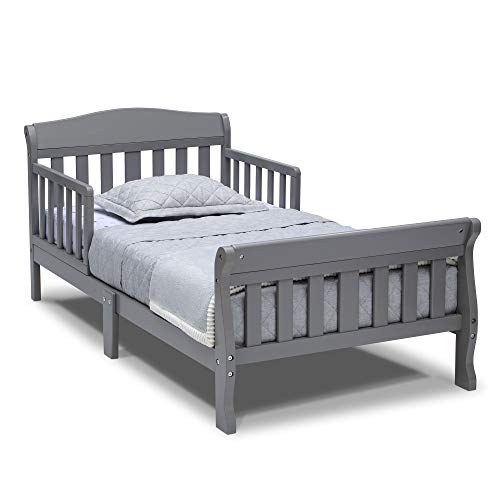
Bed fits full size crib mattress (mattress, bedding and pillow not included) ; Strong and sturdy wood construction
TL;DR Summary
Editor’s Choice

BEDELITE Pink Queen Comforter Set – 3 Pieces Boho Pintuck Bedding Comfor…


Briwooody Discreet Lockable Toy Bag Storage Organizer Toy Bag Storage Bi…

Dream On Me Classic Design Toddler Bed in Pink, Low-to-Floor Wooden Bed …
Prerequisites/Materials Needed
- Furniture:
- Bed frame (toddler bed or convertible crib)
- Child-sized table and chairs
- Decor:
- Wall decals or artwork
- Colorful bedding and curtains
- Organization:
- Toy bins or shelving units
- Storage baskets
- Safety:
- Outlet covers
- Corner protectors
Recommended Products
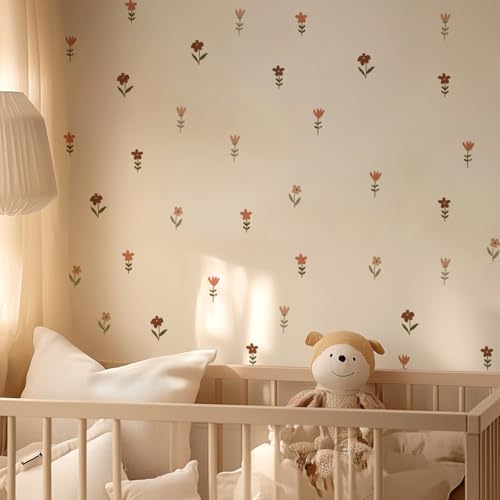
Value Package: 12 Sheets Boho wall stickers, each measures 14.8 cm*21 cm (5.82 inch * 8.26 inch) wall stickers in total.

It can be stuck onto any clean, dry, non-textured smooth surfaces: walls, windows, tiles, furniture, mirrors, even your refrigerators.

🦓LEARN THE ABC WITH CUTE ANIMALS – Make alphabet learning fun with colorful animal illustrations from A to Z and numbers from 1–10. Perfect for toddlers, preschoolers and kindergarten children.
Prerequisites/Materials Needed
Editor’s Choice

Delta Children Canton Toddler Bed, Greenguard Gold Certified, Grey

IRIS USA 5 Qt. Plastic Craft Storage Container Bins with Lids, 6 Pack, S…

LMJIA Sticky Tack for Wall Hanging (0.31″*0.51″-100 Pcs) — Removable P…
Skill Level & Time Estimate
Skill Level: beginner
Total time estimate: 2-3 hours
Recommended Products

【Upgraded Stability Design & Reinforced material】 Our toddler bed rail features a double-reinforced carbon steel frame and connectors for maximum stability. The extra-wide U-shaped base (4" wider than standard rails) provides superior weight support ensuring safety for your toddler.

【Upgraded Stability Design & Reinforced material】 Our toddler bed rail features a double-reinforced carbon steel frame and connectors for maximum stability. The extra-wide U-shaped base (4" wider than standard rails) provides superior weight support ensuring safety for your toddler.
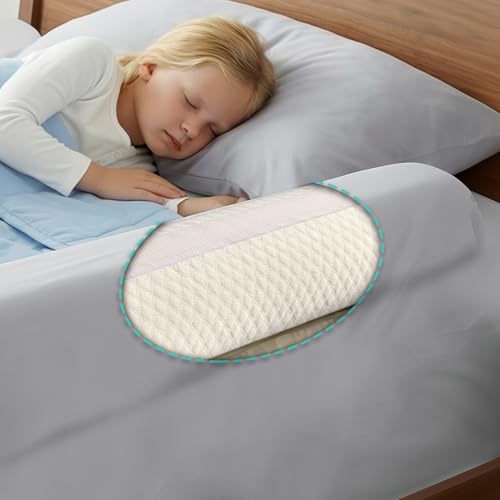
The First Advancement in Bed Rails in 50 Years - Hiccapop Bed Bumpers Don’t “cage In” Your Little One Like Traditional Metal Bed Rails. They Are Safer and More Comfortable for Your Sleeping Child.
Skill Level & Time Estimate
Editor’s Choice

Dream On Me Emma 3-in-1 Convertible Wooden Toddler Bed in White, Baby Sa…

Biloban Crib Sheets Fitted for Boys, 2 Pack Crib Sheet Fits for Standard…

Humble Crew Toy Storage Bins for Kids, Set of 4, Primary Colors, Small -…
Step 1: Assess the Current Space
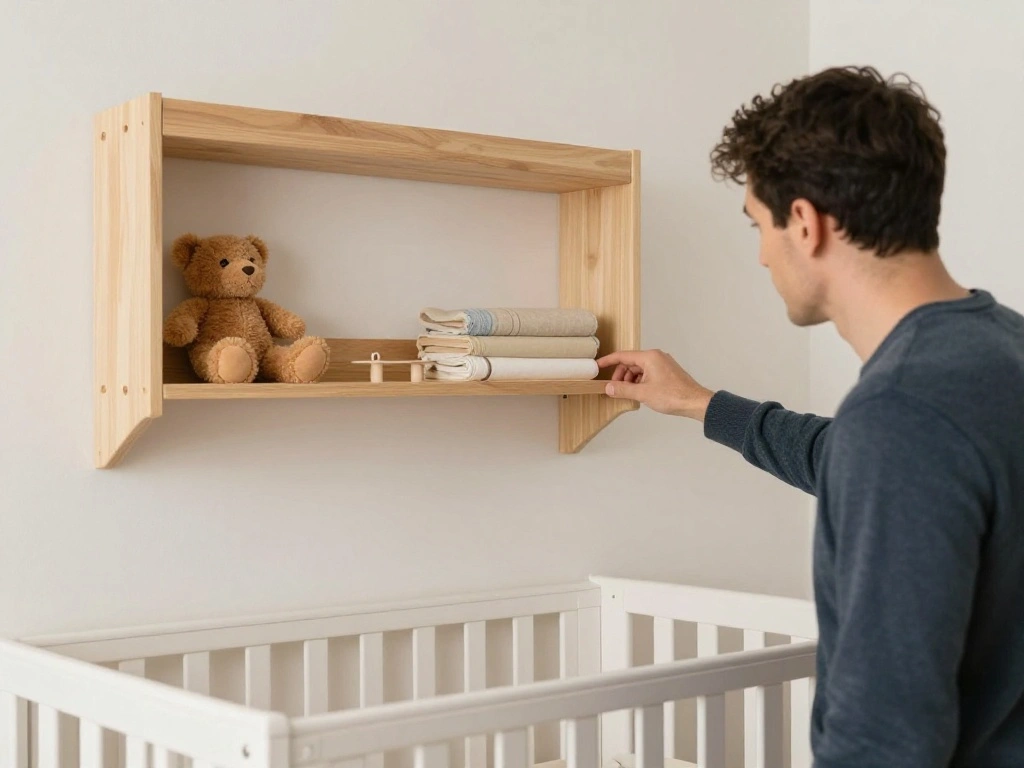
Begin by evaluating your nursery. Look for items that may no longer be suitable for a toddler. This step is essential to ensure a smooth transition and to avoid clutter.
- Remove any baby-specific items like the crib, changing table, and toys meant for infants.
- Check for any necessary repairs or updates, like paint or decor.
- Identify the space that will be designated for play and rest.
Pro Tip: Take measurements of the room to help you plan the new layout effectively. This matters because it prevents overcrowding and ensures safety.
Time estimate for this step: 20-30 minutes.
Recommended Products

DURABLE AND STURDY: Engineered wood frame with steel dowels and stabilizing braces supports up to 20 lbs per tier so you never have to worry about tipping, bending, or daily wear and tear

Multifunctional Toy Storage That Fits Real Needs:This toy storage bookshelf is designed to organize a wide range of items in one place. The 12 removable bins neatly sort small toys like blocks, dolls, and cars, while 3 open shelves hold larger items such as books, stuffed animals, and board games. Side features like cup holders and a net rack provide extra space for bottles, bags, or frequently used items—keeping everything visible, accessible, and easy for kids to manage on their own.

BEAUTIFUL AND ORGANIZED - Make your kids playroom space neat and organized with this toy storage organizer with bookshelf and 12 white bins; Shelf Size: 52.3"W x 13.6"D x 31.5"H
Step 1: Assess the Current Space
Editor’s Choice

ORGIDOL 8 Pack Colorful Storage Bins with Lids Stackable Storage Contain…

RoomMates Bluey Family and Friends Peel and Stick Wall Decals, RMK5457SCS
Dream On Me Emma 3-in-1 Convertible Wooden Toddler Bed in White, Baby Sa…
Step 2: Choose Toddler-Friendly Furniture

Select furniture that is appropriate for a toddler’s needs. This includes a bed, a small table, and chairs. Choosing the right furniture is crucial for both safety and functionality.
- Research toddler beds that are low to the ground for easy access.
- Opt for a small table and chairs that fit your child’s proportions.
- Ensure all furniture has rounded edges to prevent injuries.
Warning: Avoid furniture with sharp edges or heavy materials that could tip over. This step is important for creating a safe environment.
Time estimate for this step: 30-45 minutes.
Recommended Products

CHILD PROOF YOUR HOME: Keep sharp objects and curious fingers from electrical outlets with Safety 1st's baby-proofing outlet covers.

𝐎𝐕𝐄𝐑 𝟏𝟕,𝟎𝟎𝟎 𝟓-𝐒𝐓𝐀𝐑 𝐑𝐄𝐕𝐈𝐄𝐖𝐒: Babyproofing is easier with Amazon’s most successful corner protectors, loved for their combination of SAFETY and MODERN LOOKS. Our 3RD-PARTY TESTED protectors will safeguard your home. For larger tables, try using them on both the top and bottom sides for full crash protection!

This is a Big Box! - Our double locking system (top and bottom buttons) requires two hands to open for better safety. Easy for adults to operate but difficult for babies and toddlers. PLEASE WATCH OUR INSTALLATION VIDEO.
Step 3: Incorporate Safety Measures
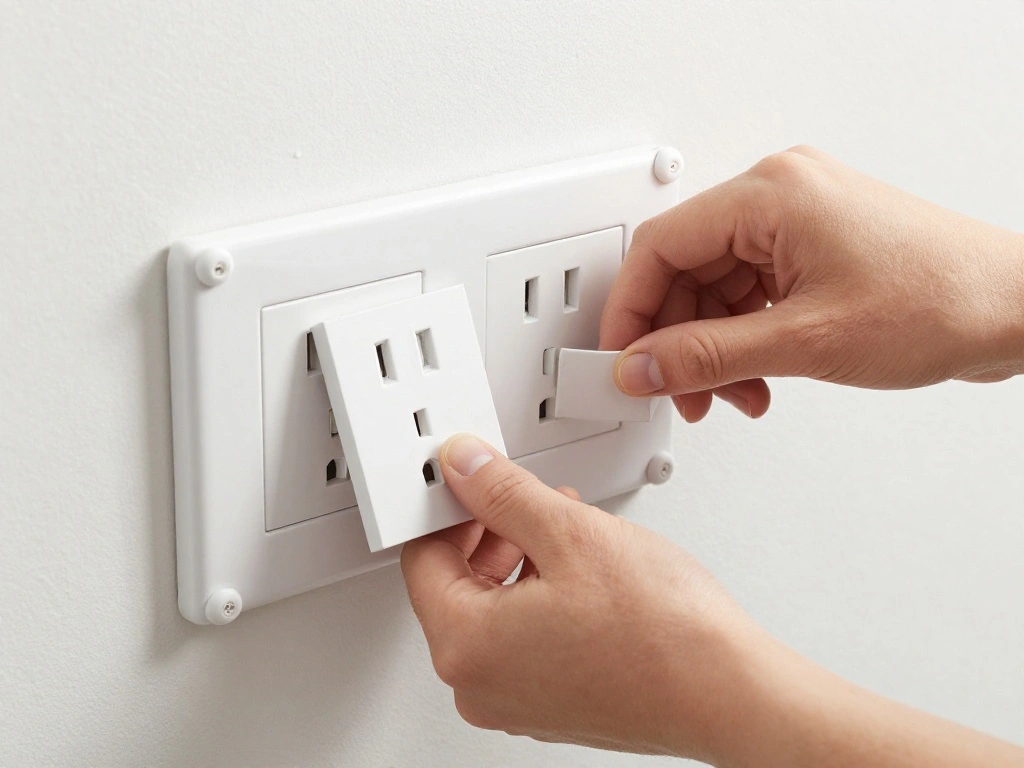
Safety should be a top priority when transitioning to a toddler bedroom. This step ensures that your child can explore their new space without hazards.
- Install outlet covers to prevent electrical accidents.
- Use corner protectors on furniture edges.
- Secure heavy furniture to the wall to prevent tipping.
Pro Tip: Consider a baby gate if your toddler’s room is on an upper level. This is critical to keep them safe in case they wander during the night.
Time estimate for this step: 30-40 minutes.
Recommended Products

Fits full size crib mattress (mattress, bedding and pillow not included); Strong and sturdy wood construction

[Low-to-Floor Montessori Bed for Kids]: Designed with a low-height frame, this Montessori bed allows children to easily climb in and out on their own. It provides a cozy, child-friendly space for sleeping, reading, and playing, promoting growth and independence.
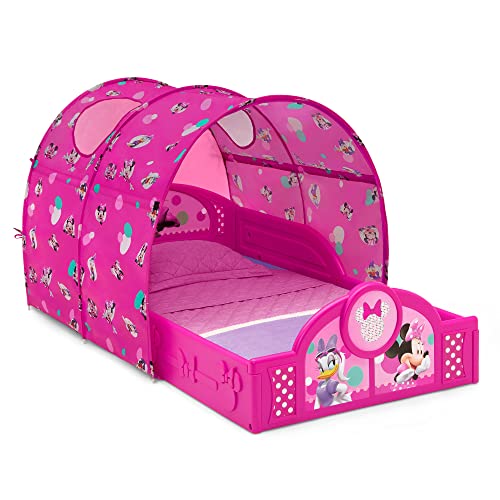
RECOMMENDED AGE: 15 months+
Step 3: Incorporate Safety Measures
Editor’s Choice

Corner Protector for Baby, Protectors Guards, Furniture Corner Guard & E…

Ougourim Furniture Anchors (10 Packs) Anti Tip Furniture Anchors for Bab…

Power Gear Child Safety Electrical Outlet Covers, Tamper‑Resistant Plu…
Step 4: Organize Toys and Play Areas
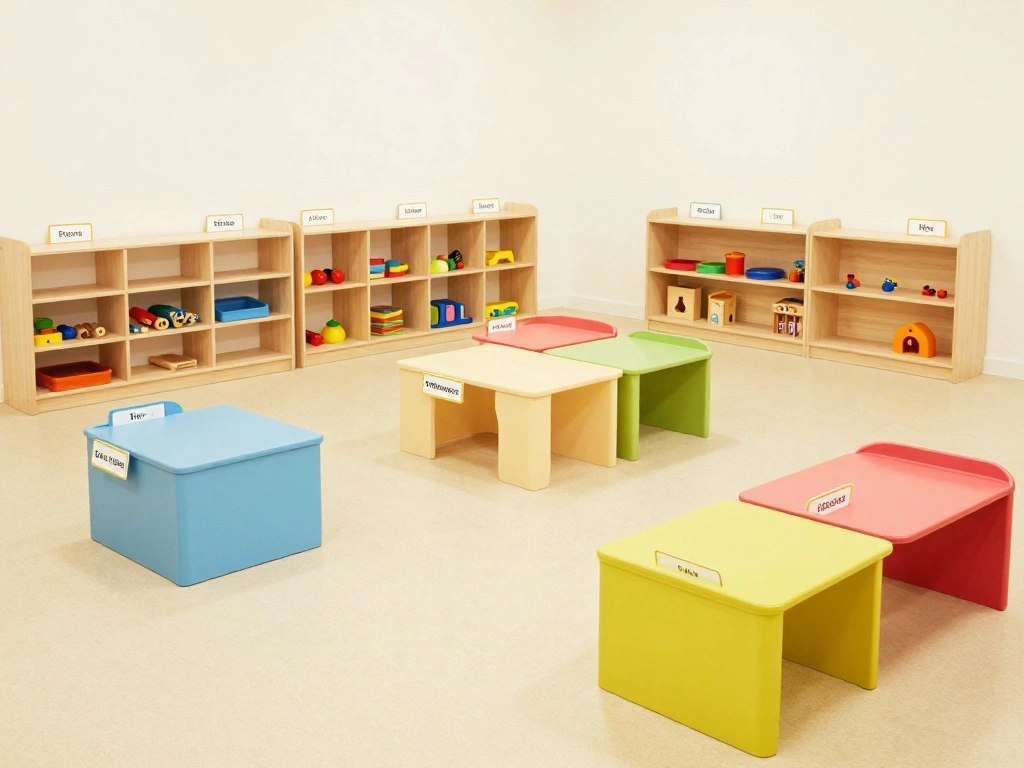
Creating a designated play area is vital for encouraging creativity and keeping the room organized. This step helps in managing toys and ensuring easy access for your toddler.
- Sort toys into categories: educational, plush, and building toys.
- Use bins or shelves to store toys within reach.
- Allocate a corner or a section of the room for playtime activities.
Pro Tip: Label storage bins with pictures or words to help your toddler learn organization. This step fosters independence and responsibility.
Time estimate for this step: 30-40 minutes.
Recommended Products

PINK BUTTERFLY WALL DECALS - Set of 24 pink butterflies. 4 large, 4 medium, and 16 small butterflies with adhesives. Please see images for specific sizes.

It can be stuck onto any clean, dry, non-textured smooth surfaces: walls, windows, tiles, furniture, mirrors, even your refrigerators.

Package size: 8.66*6.22inches/22*15.8cm; Package layout size: 8.27*5.83inch*6 sheets; Weight: about 50g.Note: The product size is in the main drawing, and the product is translucent, please carefully confirm the product size and wall color before purchase
Step 4: Organize Toys and Play Areas
Editor’s Choice
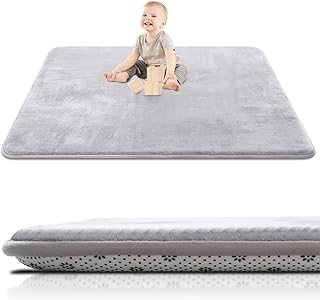
SEPARO Thick Baby Play Mat for Floor,50 x 50 Playpen Mat,Tummy Time Foam…

Nelko Label Maker Machine with Tape, P21 Bluetooth Label Printer, Wirele…

4E’s Novelty 6 Durable Book and Binder Holder, Files Book Bins for Class…
Step 5: Personalize the Decor
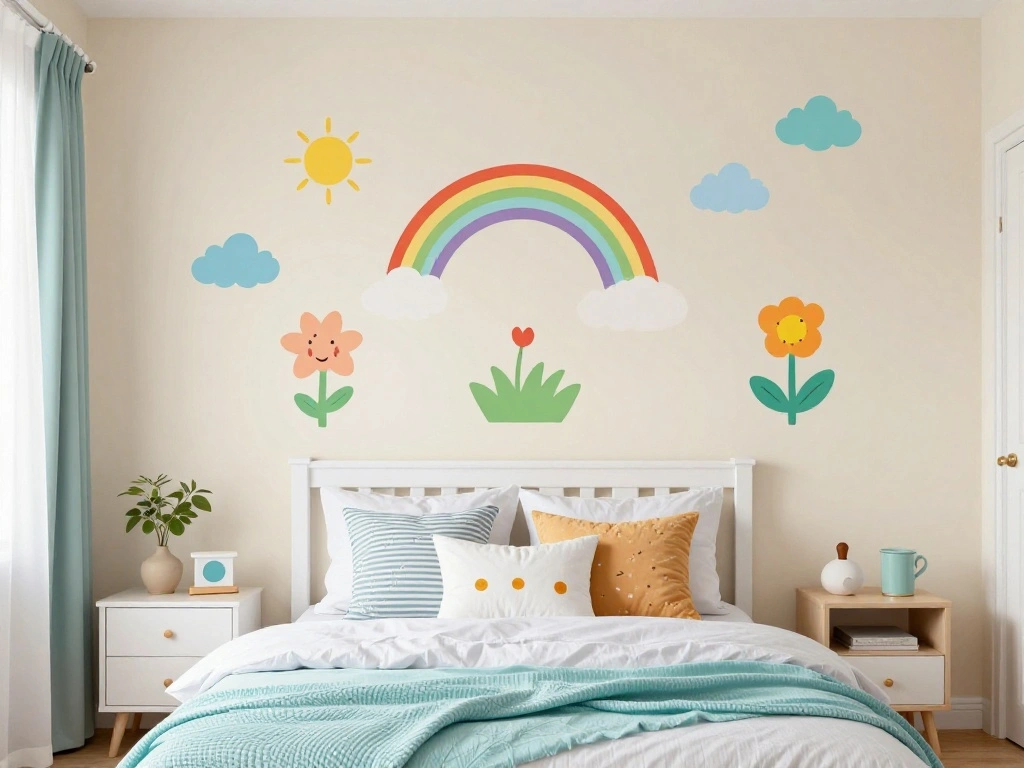
Decorating the room to reflect your child’s personality is essential for making them feel at home. This brings excitement and ownership to their new space.
- Select wall decals or artwork that match your child’s interests.
- Choose bedding and curtains that feature their favorite colors or themes.
- Incorporate personal touches, such as photos or crafts created by your toddler.
Warning: Avoid using small decor items that could pose a choking hazard. Personalization makes the room inviting and special.
Time estimate for this step: 30-45 minutes.
Recommended Products

EXTRA LONG BED RAIL FOR TODDLERS: 54-inch long bed rail guard with a 20-inch tall safety barrier provides extended protection for restless sleepers and helps prevent nighttime falls.
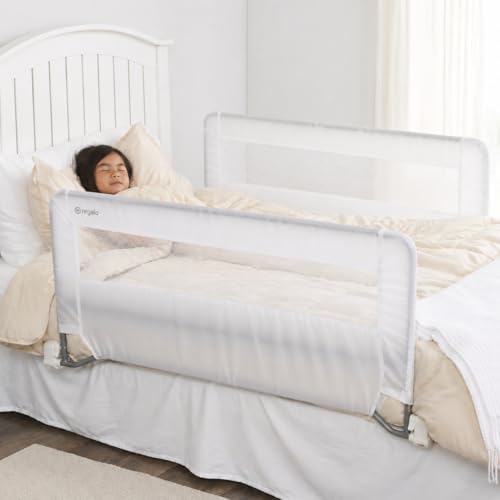
DOUBLE-SIDED PROTECTION FOR ADDED SAFETY: Includes two bed rails to provide secure protection on both sides of the bed, ideal for toddlers transitioning from a crib to a regular bed.
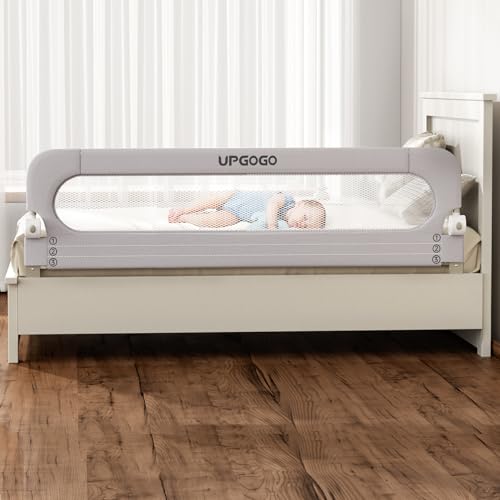
Bed Rail Size: 71"long X 23.6"Top
Step 5: Personalize the Decor
Editor’s Choice

Colorful Polka Dot Wall Decals Watercolor Dots Wall Sticker for Kids Bab…

Personalized Picture Frame Gift for Dad – Sentimental Dad Picture Fram…
Step 6: Set Up a Reading Nook

A reading nook can encourage a love for books and provide a cozy spot for quiet time. This step is important for fostering literacy and relaxation.
- Choose a small bookshelf for easy access to books.
- Add a comfortable chair or bean bag for seating.
- Include soft pillows and a blanket for comfort.
Pro Tip: Rotate books regularly to keep the reading selection fresh and engaging. Establishing a reading nook promotes a lifelong love for reading.
Time estimate for this step: 20-30 minutes.
Recommended Products
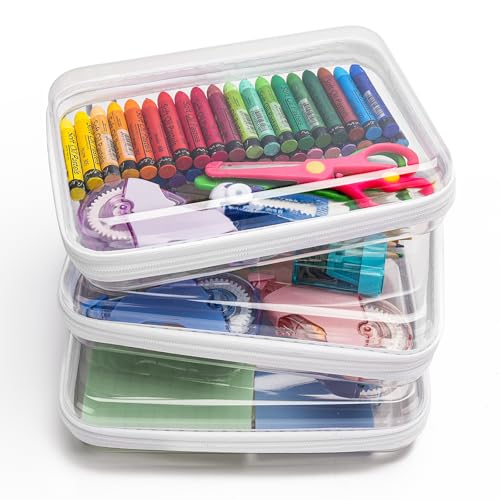

DETACHABLE DIVIDER - The toy box have a removable divider board. You can attach it by velcro, which is great for organizing different items separately, you can detach the divider for store bigger things, like blankets, large toys, etc

AGE RANGE: Recommended for ages 3+; SAFE DESIGN: Bin meets or exceeds all safety standards set by the CPSC
Step 7: Create a Routine for Transition

Helping your toddler adjust to their new bedroom is essential for a smooth transition. Establishing a routine can ease any anxiety they may feel.
- Introduce the new room gradually, allowing them to explore.
- Use bedtime stories to discuss the changes positively.
- Maintain consistent bedtime and wake-up times to establish security.
Warning: Avoid sudden changes that could overwhelm your child. Creating a routine helps set expectations and comfort.
Time estimate for this step: Ongoing, but initial setup takes about 15-20 minutes.
Recommended Products

Keep Children Safe - Prevents children from accessing outlets and prevents cord entanglement for total protection.
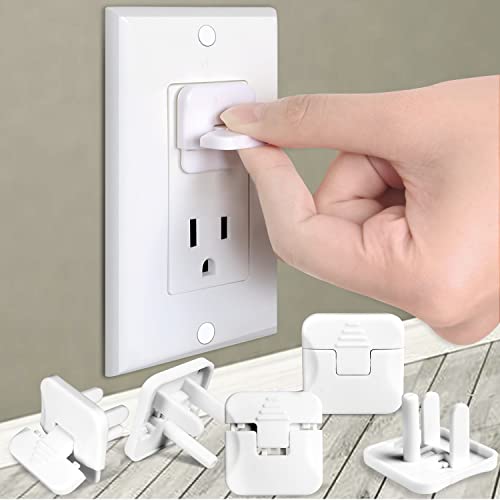
Safety Protection - Our outlet covers protect your children from accidents and prevent electrocution,outlet plugs can make sure that your little explorer cannot reach into your home’s electric sockets

QUICK & EASY WAY TO HELP YOU PROTECT YOUR TODDLER from accidents and electrocution! The Wappa Baby outlet plug covers are here to offer you that much-needed peace by minimizing the chances of your little explorer reaching into your home’s electric sockets.
Step 7: Create a Routine for Transition
Editor’s Choice

COOLNIGHT Night Light for Kids,93 Lighting+3 Films Kids Night Light Proj…
Step 8: Encourage Independence

Encouraging your toddler to make choices in their new space fosters independence and self-confidence. This step is crucial for their emotional development.
- Allow your child to pick out their bedding and decor.
- Teach them to pick up toys and organize their play area.
- Encourage them to choose their outfits from a selection you provide.
Pro Tip: Offer praise and support as they make choices, reinforcing their confidence. This step empowers your child and helps them feel in control.
Time estimate for this step: Ongoing, but initial setup takes about 20-30 minutes.
Step 8: Encourage Independence
Editor’s Choice

lasoftan Butterfly Toddler Bedding Set for Girls, 4 Piece Bed-in-a-Bag T…

Upgraded Kids Clothing Rack – Dress Up Clothes Rack Baby Toddler Montess…

SpaceAid Toy Storage Organizer with 6 Shelves and 12 Bins, Bookshelf/Boo…
Step 9: Plan for Sleepovers and Playdates
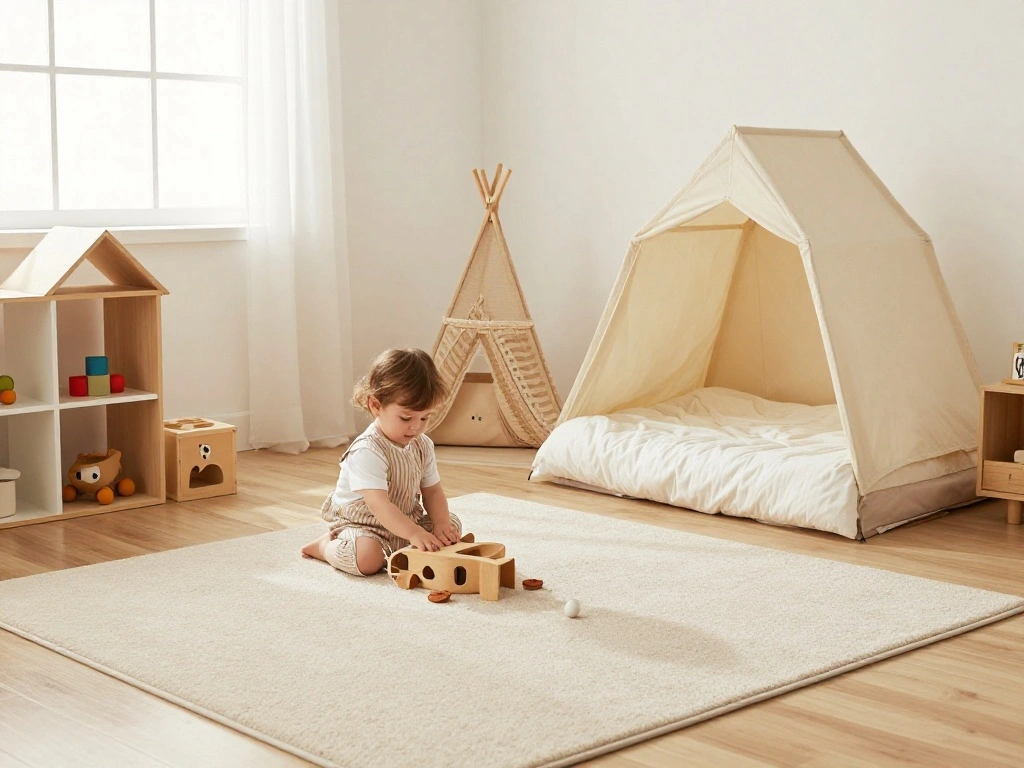
As your child grows, they may have friends over for playdates or sleepovers. Preparing the room for guests can enhance their social experiences.
- Consider a sleeping arrangement for guests, like a fold-out bed or sleeping bags.
- Make sure toys are accessible for playdates.
- Ensure there is enough space for play and activities.
Warning: Avoid overcrowding the space with too many toys or furniture, which can lead to hazards. Preparing the room for playdates encourages social development.
Time estimate for this step: 20-30 minutes.
Step 9: Plan for Sleepovers and Playdates
Editor’s Choice

KingCamp 45°F Kids Sleeping Bag, Lightweight Waterproof & Compact Flann…
SpaceAid Toy Storage Organizer with 6 Shelves and 12 Bins, Bookshelf/Boo…
Step 10: Celebrate the New Room
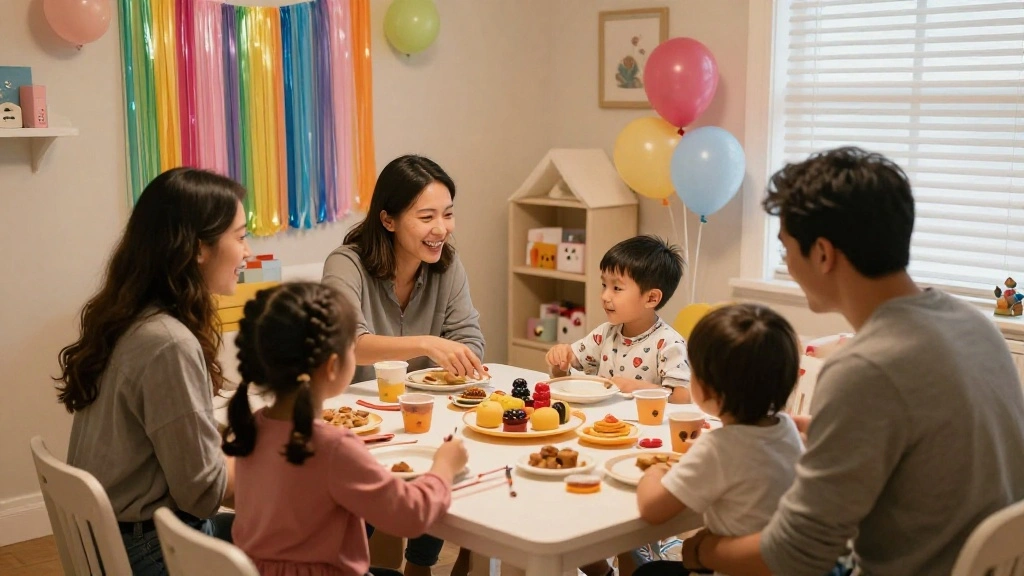
Once the transition is complete, take time to celebrate your toddler’s new bedroom. This helps them feel proud and excited about their space.
- Host a small family gathering to show off the new room.
- Encourage your toddler to give a tour of their new space.
- Incorporate a special activity, like a movie night in their new room.
Pro Tip: Create a special tradition, like decorating a new room each year, to keep the excitement alive. Celebrating the transition reinforces positive feelings and memories.
Time estimate for this step: 30-60 minutes.
Step 10: Celebrate the New Room
Editor’s Choice

decalmile Jungle Animals Tree Wall Decals Elephant Giraffe Lion Safari W…
Delta Children Canton Toddler Bed, Greenguard Gold Certified, Grey

Lukeight Toddler Blanket for Boys and Girls, Plush and Thick Dinosaur Bl…
Pro Tips
- Start Early: Begin the transition process well before your toddler’s birthday or significant change to avoid overwhelm.
- Involve Your Child: Let your toddler help in the transition process to make them feel included and excited.
- Regularly Rotate Toys: Keep the play area fresh by rotating toys every few weeks to maintain interest.
- Use Soft Lighting: Incorporate night lights or soft lamps to create a calming atmosphere at bedtime.
- Maintain Flexibility: Be prepared to adjust the setup as your child’s needs and preferences change over time.
Pro Tips
Editor’s Choice

GE Sleeplite Night Lights Plug Into Wall, Dusk to Dawn Sensor, Ambient L…
SpaceAid Toy Storage Organizer with 6 Shelves and 12 Bins, Bookshelf/Boo…
Dream On Me Emma 3-in-1 Convertible Wooden Toddler Bed in White, Baby Sa…
Common Mistakes to Avoid
Warning: Don’t rush the transition; it can overwhelm your child. Take your time to make changes gradually.
Warning: Avoid using too much decor that can create a cluttered feeling. Less is often more in a toddler’s space.
Warning: Skipping safety checks can lead to dangerous situations. Always ensure the room is safe for exploration.
Common Mistakes to Avoid
Editor’s Choice

Delta Children Plastic Toddler Bed, Disney Minnie Mouse
Troubleshooting Section
Problem: My toddler is afraid of the new room.
Solution: Spend time in the room together, read stories, and create positive associations with the space.
Problem: Toys are all over the place.
Solution: Implement a daily clean-up routine and encourage your toddler to help organize.
Problem: My child refuses to sleep in their new bed.
Solution: Reassure them with comfort items, like a favorite stuffed animal, and establish a bedtime routine.
Troubleshooting Section
Editor’s Choice

Tulips Night Light, Mothers Day Gifts for Mom Grandma, Everlasting Flowe…

Bunny Microwavable & Weighted Stuffed Animals – 1.5 Lbs Unscented Heatin…

Locking Adult Game Toy Storage Organizer Lock Box Toy Storage Bins Women…
Variations/Alternative Methods
If your toddler is resistant to change, consider the following methods:
- Gradual Transition: Instead of a complete overhaul, gradually introduce changes over a few weeks.
- Theme-Based Rooms: Create a themed space based on your child’s favorite characters to make the transition more appealing.
- Involve a Professional: If overwhelmed, consider hiring an interior designer who specializes in children’s spaces for expert help.
Variations/Alternative Methods
Editor’s Choice
Delta Children Canton Toddler Bed, Greenguard Gold Certified, Grey
FAQs
What if I don’t have enough space for a play area?
Utilize vertical storage solutions and choose multi-functional furniture to maximize space.
How long should I wait to transition to a toddler bed?
Watch for signs of readiness, such as climbing out of the crib, typically between 18 months to 3 years.
Is it safe to leave my toddler alone in their new room?
Always ensure safety measures are in place, and stay close by until they are comfortable in their space.
FAQs
Editor’s Choice

Sakugi Storage Shelves – 5-Tier Large Capacity Shelf Organizer with Hook…
Conclusion
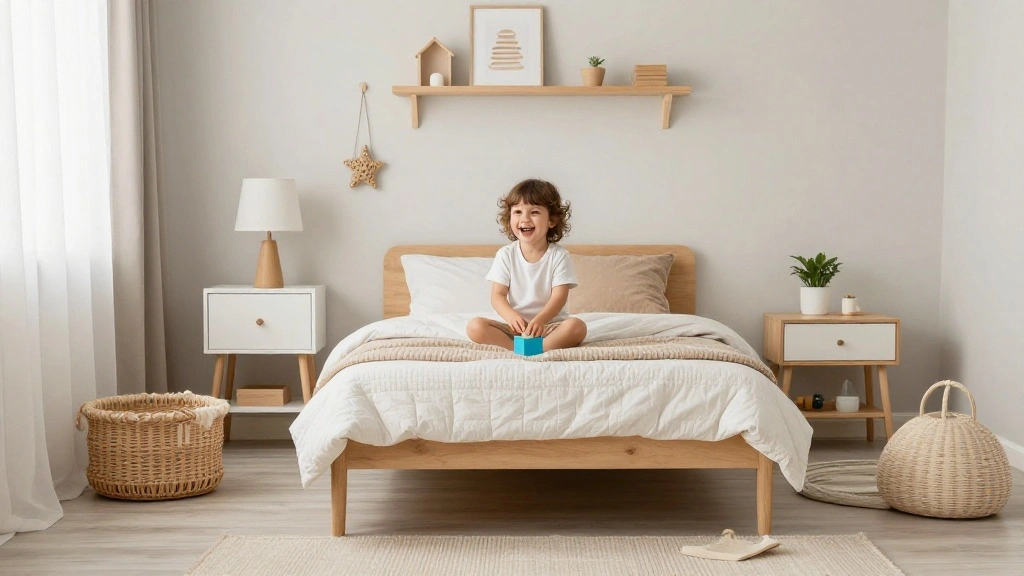
Congratulations on successfully transitioning your nursery to a toddler bedroom! You’ve created a space that reflects their personality and promotes independence. Celebrate this milestone with your child, reinforcing the joy of their new room.
As you move forward, continue to adapt the space as your child grows. Consider adding new elements or updating decor to keep it fresh. Remember, this journey is a wonderful opportunity to bond, create memories, and support their development.