
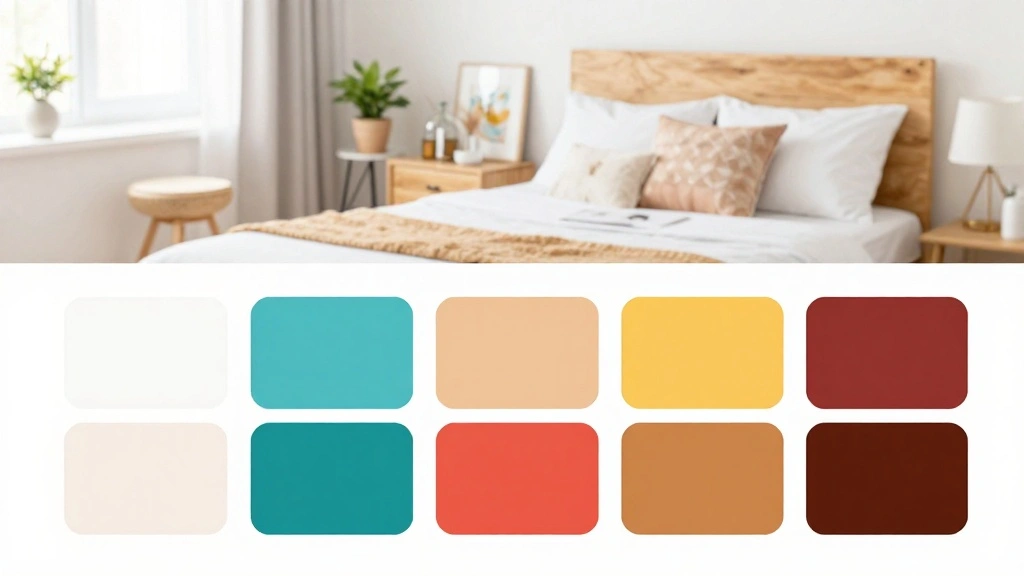
Choosing the right colors for your bedroom can feel overwhelming. With countless options available, it’s easy to feel lost and unsure about what colors will work well together. The urgency to create a calming and aesthetically pleasing space makes this task even more pressing.
This guide will help you pair bedroom colors that harmonize and elevate your space. You’ll accomplish a beautiful color scheme that reflects your personality and creates a peaceful environment. By the end of this guide, you will learn specific techniques for color pairing, including how to select a color palette, balance tones, and apply them effectively.
This is a beginner guide and can be completed in approximately 2-3 hours. With a few simple steps, you can transform your bedroom into a sanctuary. Let’s dive in!
TL;DR Summary
- Understand color theory basics for effective pairings.
- Learn how to choose a base color and complementary shades.
- Discover tips for balancing colors to create harmony.
- Explore common mistakes to avoid when choosing colors.
Recommended Products

All-in-One Seasonal Color Guide: Representing Spring (Bright, Light, Warm), Summer (Soft, Light, Cool), Autumn (Soft, Warm, Deep), and Winter (Bright, Cool, Deep). These seasonal colour analysis keychains are designed to make shopping, styling, and travelling easier(Each card comes with a removable protective film on both sides. Please peel before use)

Cool Summer Seasonal Palette: Features cool-toned, soft, and refined colors designed for Cool Summer wardrobes, makeup coordination, outfit planning, and accessory matching.
TL;DR Summary
Editor’s Choice

Color Harmony: A Guide to Creative Color Combinations


The Color Wheel Company Interior Design Wheel interior design color whee…

10 Pack Mini Acrylic Paint Set,12 Colors Acrylic Paints Strips for Kids&…
Prerequisites/Materials Needed
- Color swatches or paint samples
- Color wheel
- Paintbrushes (for testing colors)
- Paint rollers (if painting)
- Painter’s tape
- Notepad for notes
Recommended Products
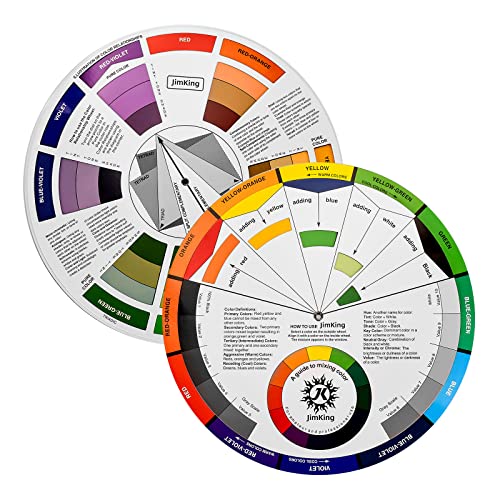
Helps organise colours to make choices and combinations easier;Defines common terms and helps the artist to understand colour uses and interactions.
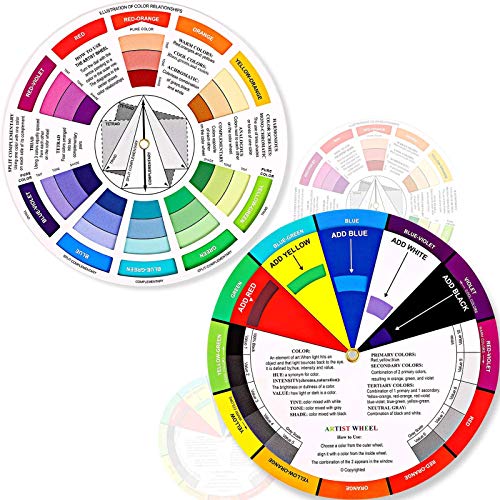
Package include: 2 creative color wheel, 5.5 inch in diameter, the artist wheel helps show which colors are complimentary, and how they go (or don't go) together, suitable for learning how to color; Two identical color wheels, with different designs on the front and back

Perfect for selecting color combinations for interior decorating
Prerequisites/Materials Needed
Editor’s Choice

Sherwin Williams Colors collection Deck Complete Paint Colors

JimKing Creative Color Wheel, Paint Mixing Learning Guide, Art Class Tea…
Skill Level & Time Estimate
Skill Level: beginner
Total time estimate: 2-3 hours
Breakdown: 30 minutes for research, 1 hour for color selection, 1 hour for application.
Recommended Products

Peaceful Wildlife Nature Scene: This fox wall art captures a quiet moment in nature, featuring a fox standing in tall grass while birds take flight in the distance. The scene conveys stillness, curiosity, and connection to the natural world, making it an ideal decorative piece for creating a calm and inviting atmosphere in living rooms, bedrooms, reading corners, or cozy cabin spaces.

[Premium Quality Materials] High definition modern artwork printed onto industrial grade framed canvas.

Flesh Tone Acrylic Paint Set 6 Colors
Skill Level & Time Estimate
Editor’s Choice

COLOR MUSE Colorimeter – Mobile Color Matching Tool – Instantly identify…
Step 1: Understand Color Theory Basics

Begin by familiarizing yourself with basic color theory. Understanding how colors interact with each other is key to successful pairings. Here’s how to start:
- Research the color wheel and primary, secondary, and tertiary colors.
- Learn about color harmony (complementary, analogous, and triadic colors).
- Explore how warm and cool colors affect mood and perception.
Pro Tip: Use online tools and apps that help visualize color combinations. This matters because a solid foundation in color theory will guide your choices throughout the process.
Estimated time: 30 minutes.
Recommended Products

SIMPLE AND PORTABLE - Scan any flat surface to find the closest matching paint colours and products in the Color Muse app. Color Muse pairs to the app via wireless so that you can scan colours anywhere.

Plastic Paint Scraper Tool: The paint scraper tool for painting is made of PP plastic, ensuring durability, flexibility, and long-lasting use. It is reusable, lightweight, and strong, making it the ideal choice for all your artistic needs

Unique color and texture: Teal is a mixture of blue and green together, neutralizing the coldness of blue, but rather very lively, dreamy natural calmness mixed with liveliness. Together with the texture of silk, it looks simple but has texture
Step 2: Choose a Base Color
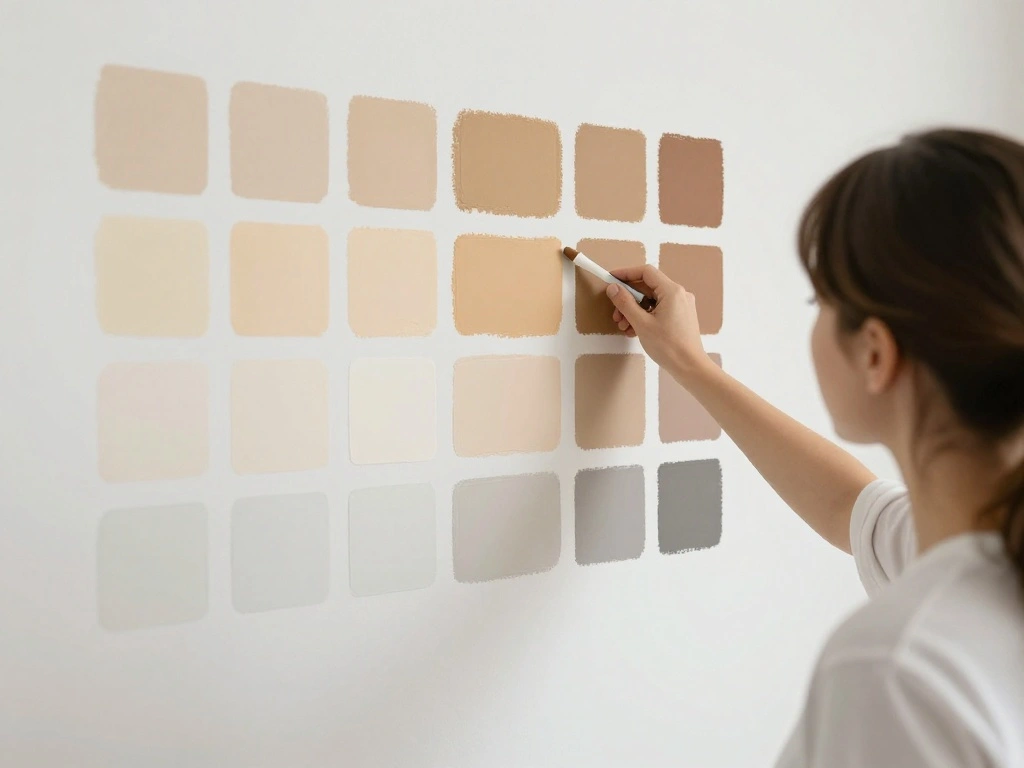
Select a base color that resonates with you and reflects the mood you want in your bedroom. Follow these steps:
- Consider the size of your room; lighter colors can make it feel larger.
- Think about your personal preferences and existing furniture.
- Test a few shades on your wall to see how they look at different times of day.
Warning: Avoid overly dark colors in small rooms as they can make the space feel cramped. Choosing the right base color is crucial because it serves as the foundation for your color scheme.
Estimated time: 30 minutes.
Recommended Products

Note:Compatible with different types of pens. Multiple layers using water-based pens may result in minor surface pilling.

All-in-One Seasonal Color Guide: Representing Spring (Bright, Light, Warm), Summer (Soft, Cool, Light), Autumn (Soft, Warm, Deep), and Winter (Deep, Bright, Cool). These seasonal colour analysis keychains are designed to make shopping, styling, and travelling easier(Each card comes with a removable protective film on both sides. Please peel before use)

All-in-One Seasonal Color Guide: Representing Spring (Bright, Light, Warm), Summer (Soft, Light, Cool), Autumn (Soft, Warm, Deep), and Winter (Bright, Cool, Deep). These seasonal colour analysis keychains are designed to make shopping, styling, and travelling easier(Each card comes with a removable protective film on both sides. Please peel before use)
Step 2: Choose a Base Color
Editor’s Choice

Rust-Oleum 214944 Specialty Reflective Finish Spray, 10 oz

Martha Stewart, Multi-Surface Satin 12 pc Paint Set, Elevated Neutrals
The Color Wheel Company Interior Design Wheel interior design color whee…
Step 3: Select Complementary Colors

Once you have your base color, it’s time to select complementary colors that enhance it. Here’s how:
- Use the color wheel to identify complementary or analogous colors.
- Pick two to three shades that work well with your base color.
- Consider the mood each color evokes and how they balance each other.
Pro Tip: Use paint swatches to visualize how the colors look together in your space. This step matters as complementary colors can create visual interest and depth in your bedroom.
Estimated time: 20 minutes.
Recommended Products

This package include one Creative Color Mixing Board with one regular Color Wheel (9.25 inch).

Creative color wheel-9.25"

The Complete Color Harmony: Pantone Edition
Step 3: Select Complementary Colors
Editor’s Choice

COLOR MUSE 3 Portable Color Matching and Paint Scanner Device with Prote…

Creative Color Wheel Enamel pin, The Spinning Wheel Moves Nicely,Color…
Sherwin Williams Colors collection Deck Complete Paint Colors
Step 4: Balance the Colors

Striking the right balance between colors is essential for a cohesive look. Follow these steps:
- Determine the percentage of each color you’ll use (e.g., 60% base, 30% complementary, 10% accent).
- Incorporate the colors through paint, furniture, and decor.
- Use neutral colors to balance out bold shades.
Warning: Avoid using too many bold colors, as this can lead to a chaotic environment. Balancing colors creates harmony, making your bedroom feel inviting and restful.
Estimated time: 30 minutes.
Recommended Products

【 Cat Wall Art 】: Black cat wall art canvas featuring a modern and stylish design that adds a touch of sophistication to any room. Available in 4 sizes—08x10inch(20x25cm), 12x16 inch (30x40 cm), 16x24 inch (40x60 cm) and 24x36 inch (60x90 cm)—and in three frames: unframed, wood frame and black aluminum frame, which offers different options to match any room

READY MADE - Package includes 2 panels, each panel measures 52" wide by 36" long. 3 inches rod pocket top suits for the most of rods.

READY MADE - Sold in pair, measures 52" wide by 45" long per panel. 8 silver grommet top fit any standard or decorative curtain rods up to 1.5". Easy and convenient to hang as soon as you receive it.
Step 4: Balance the Colors
Editor’s Choice

Nicpro 18 Colors Model Paint Set, 20ml Ready to Use Modeling Acrylic Pai…

MIULEE Pack of 2 Corduroy Decorative Throw Pillow Covers 18×18 Inch Soft…
Step 5: Test the Colors

Before committing to your colors, it’s vital to test them in your space. Here’s how:
- Paint small sections of your wall with your chosen colors.
- Observe the colors at different times of the day to see how they change.
- Gather feedback from friends or family on their impressions.
Pro Tip: Use painter’s tape to create clean lines and avoid mess. Testing colors is important to ensure you love how they look in your space before making a final decision.
Estimated time: 30 minutes.
Recommended Products

【THOUGHTFUL DESIGN】: The dark blue floral wallpaper takes the traditional lotus as its theme and is paired with deep blue and green tones. It not only showcases the artistic conception of classical ink wash painting but also endows it with a modern sense of fashion, instantly elevating the spatial style and giving the space a stable and high-end visual tension
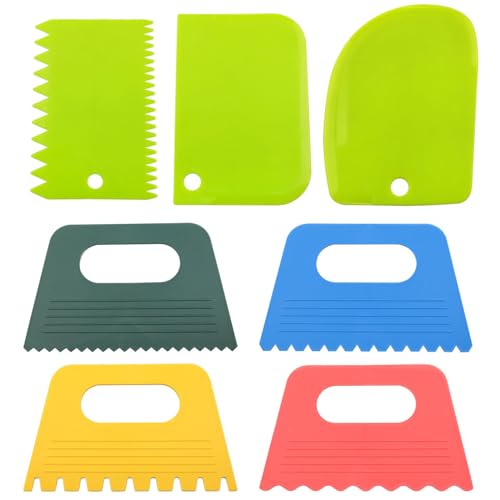
The color paint scraper is made of PP high-quality plastic material, which is tough and flexible, can be used repeatedly, lightweight but sturdy and firm, and builds a solid and reliable foundation for various artistic creations.

[Install Quickly] Retro textured wallpaper use self adhesive design, can be installed by tearing off the backing paper, more convenient and fast, and anyone can operate it. There are grid lines behind it to help us trim
Step 6: Apply the Colors
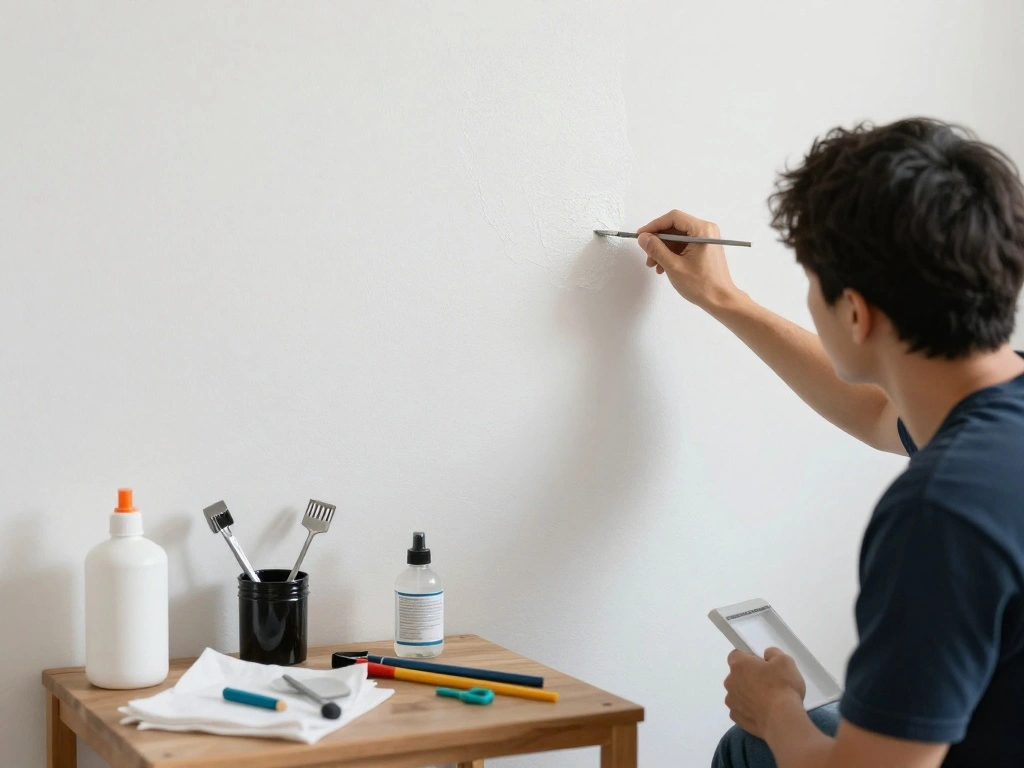
Now that you’ve selected and tested your colors, it’s time to apply them. Follow these steps:
- Gather all painting supplies, including brushes and rollers.
- Prepare the room by removing furniture and covering the floor.
- Start painting the walls with your base color and let it dry.
Warning: Ensure proper ventilation when painting to avoid inhaling fumes. Proper application of colors ensures a smooth finish and enhances the overall aesthetic of your bedroom.
Estimated time: 1 hour.
Recommended Products

Soft Summer Seasonal Color Palette: Features soft, muted, and cool-neutral shades designed to support Soft Summer wardrobe planning and outfit coordination.

1.Widely Compatible: You will receive 20 sheets color chart template.The watercolor swatch card's overall size is 8.27x2.56 inch. Precisely compatible with most 24-color half-grid watercolor paint boxes on the market. Whether you are a novice practicing watercolor color matching, recording commonly used swatches, or a professional artist organizing color matching schemes, it can easily meet your needs.Painters color diary is an exclusive matching tool for 24-color half-grid watercolor paint boxes.

Step 6: Apply the Colors
Editor’s Choice

12 x 9 Ft Plastic Drop Cloths (6-Pack) – Disposable Painter’s Sheeting &…

VEVOR Air Mover Blower Fan 12 Inch, 3198CFM 585W with 16.4ft Flexible Du…

Pro Grade Paint Roller Kit, Brush & Roller,10 Piece Set, Wall Painting N…
Step 7: Add Finishing Touches
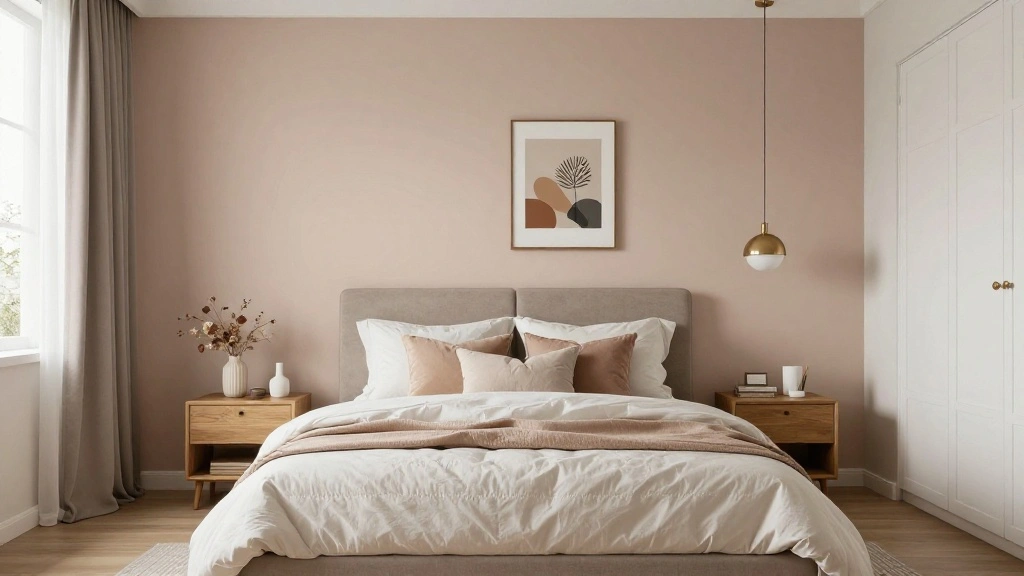
Complete your bedroom’s color transformation with finishing touches. Here’s what to do:
- Incorporate decor items that match your color scheme, like pillows and curtains.
- Add artwork that complements your chosen colors.
- Evaluate the overall look and make adjustments as needed.
Pro Tip: Layer different textures and patterns to add depth. These finishing touches will pull the entire room together and make it feel complete.
Estimated time: 1 hour.
Recommended Products

Instantly Restores Black Wheels' Mirror Shine: Quickly repairs car curb rash, scratches, scuffs, dings & even corrosion marks, easily hiding any wheel damage with strong coverage; our wheel paint for rims restores natural black luster of any glossy black alloy wheels


[Size]: Ferris wheel trinket boxes is approx Length 5.4cm/2.13inch,Width 4.7cm/1.85inch,Height 9.3cm/3.66inch,Weight 0.249kg. Please pay attention to the size before purchase.
Pro Tips
- Consider Lighting: Different lighting can change how colors look. Test colors in natural and artificial light.
- Use Accent Walls: If bold colors feel intimidating, start with an accent wall to create a focal point.
- Stay Consistent: Ensure that your color scheme flows throughout the room for a cohesive look.
- Don’t Rush: Take your time selecting colors; it’s worth investing effort into this decision.
- Incorporate Natural Elements: Use plants and wood tones to soften a color palette.
Pro Tips
Editor’s Choice

Cutting Edge Stencils – Stencil Essential Kit – Dense Foam Roller, White…
The Color Wheel Company Interior Design Wheel interior design color whee…

KILZ TRIBUTE Paint & Primer, Interior, Color Sample, Weeping Willow, 8 O…
Common Mistakes to Avoid
Warning: Many people make the mistake of choosing colors based solely on trends. Trends can quickly become outdated, so always choose what you love. Warning: Avoid using too many bold colors, which can create a chaotic atmosphere. Stick to a balanced palette. Warning: Failing to test colors can lead to disappointment. Always test before committing.
Common Mistakes to Avoid
Editor’s Choice
COLOR MUSE Colorimeter – Mobile Color Matching Tool – Instantly identify…
JimKing Creative Color Wheel, Paint Mixing Learning Guide, Art Class Tea…

Apple Barrel, Vibrant Spectrum Collection Acrylic Craft Paint, PROMOABII…
Troubleshooting Section
Problem: Colors look different on the wall than in the store.
Solution: Test the colors at home under your room’s lighting to see how they appear.
Problem: The room feels too small after painting.
Solution: Consider using lighter colors and adding mirrors to create an illusion of space.
Problem: Colors clash.
Solution: Re-evaluate your color choices and consider using a neutral color to balance the look.
Troubleshooting Section
Editor’s Choice

Delma Wall Full Length Mirror,Standing Mirror Full Body,Large Floor for …

Zinsser 02774 PERMA-WHITE Mold & Mildew Proof Interior Paint, Quart, Egg…

100 Pcs 5g Empty Plastic Containers with Clear Lids,Mini Makeup Sample C…
Variations/Alternative Methods
1. Accent Walls: Instead of painting the whole room, consider an accent wall for a bold statement. This method works well for smaller spaces.
2. Temporary Solutions: If you’re renting, use removable wallpaper or fabric to test colors without permanent changes.
3. Digital Tools: Many apps allow you to visualize colors on your walls using augmented reality. This approach can help you see how colors will interact in your space.
Variations/Alternative Methods
Editor’s Choice


NCS Index 2050 Multifunctional Color Guide with 2050 NCS Colors – Durabl…

15.7″ X 118″ Black Silk Wallpaper Embossed Self Adhesive Peel and Stick …
FAQs
What if I don’t have enough natural light? Choose lighter colors to brighten the space and make it feel more open.
How long should I wait between coats of paint? Generally, wait 2-4 hours, depending on the paint type and humidity.
Is it safe to mix different paint brands? Yes, as long as the finishes are compatible (e.g., all latex or all oil-based).
FAQs
Editor’s Choice
Pro Grade Paint Roller Kit, Brush & Roller,10 Piece Set, Wall Painting N…

30 Pieces Paint Stir Sticks, 12 Inch Long Wooden Paint Stirrers for Mixi…
Zinsser 02774 PERMA-WHITE Mold & Mildew Proof Interior Paint, Quart, Egg…
Conclusion

Congratulations on taking the steps to pair bedroom colors that work together! You’ve created a unique and personal space that reflects your style. Consider exploring other areas of your home with the same principles.
Next, think about adding finishing touches like artwork and decor that further enhance your bedroom’s character. Keep your newfound color skills in mind as you continue decorating. Enjoy your beautifully colored sanctuary!