
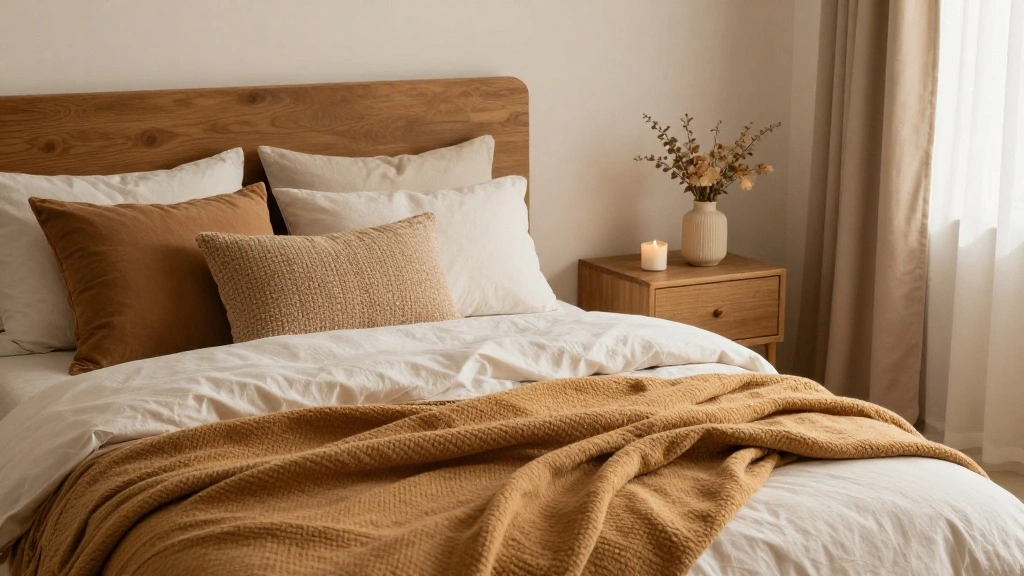
Are you feeling chilly and disconnected in your bedroom? A cold and uninviting space can affect your mood and sleep quality. Fortunately, you can transform your bedroom into a cozy sanctuary with just a few simple color choices! In this guide, you will learn how to use color to create warmth and comfort in your bedroom. By the end, you will have a beautifully designed space that feels inviting and restful.
This beginner-friendly guide will walk you through easy steps to select and apply warm colors, ensuring your bedroom becomes a haven of relaxation. You will learn about color psychology, how to choose the right shades, and practical tips for implementation. Your journey to a warmer bedroom starts now!
Difficulty Level: beginner
Estimated Time: 2-3 hours
Ready to turn your cold bedroom into a warm retreat? Let’s dive in!
TL;DR Summary
- Use warm colors like reds, oranges, and yellows to create a cozy atmosphere.
- Incorporate soft textiles and layered lighting for added warmth.
- Consider accent walls or decor pieces to enhance the color scheme.
- Follow the step-by-step guide for a seamless transformation!
Recommended Products


TL;DR Summary
Editor’s Choice

EVOLVE All Purpose Whites Paint & Primer, Flat (Snow Drift), 5 Gallon ��…


Bedsure GentleSoft White Throw Blanket for Couch – Graduation Gifts Teac…

Ambimall Floor Lamps for Living Room, 64″ Modern Floor Lamp with Remote …
Prerequisites/Materials Needed
- Paint samples in warm colors (e.g., soft reds, oranges, yellows)
- Paintbrush and rollers
- Paint tray
- Wall art or decor in warm tones
- Textiles (e.g., blankets, cushions) in warm colors
- Lighting options (e.g., warm LED bulbs)
Recommended Products

Size & Installation:This framed wall art is available in multiple sizes 9x11/12x16/16x24 inches. It comes with a gold ornate frame and self-adhesive hook and loop tape accessories, allowing for easy wall mounting.

This round wall art features a classic vintage-inspired design that adds warmth and character to your space. The soft tones and elegant composition create a cozy and stylish atmosphere.

1. Vintage Wildflower Daisy Wall Art Bring soft farmhouse charm to your space with this vintage wildflower daisy wall art. The floral still life design features a natural bouquet of daisies and wildflowers in a rustic vase, creating a warm cottagecore look for cozy home decor.
Prerequisites/Materials Needed
Editor’s Choice

TJOY 24 Pack A19 LED Light Bulbs Soft Warm White 2700K, 60 Watt Equivale…

Delta Creative Ceramcoat Acrylic Paint in Assorted Colors (2 oz), 2107, …
Skill Level & Time Estimate
Skill Level: beginner
Total Time Estimate: 2-3 hours
Step Breakdown:
1. Choosing colors: 30 minutes
2. Painting or adding color: 1-2 hours
3. Adding textiles and decor: 30 minutes
Recommended Products

PRODUCT FEATURES- Allison comforter set can brighten up your room with its vibrant yellow flowers and corresponding sham. Dark grey and black accent colors help to outline the oversized floral pattern and are used in the matching decorative pillow to tone down the bright yellow of the rest of the set. Perfect for a girl's room or a dorm room

THE MIRAGE DESIGN: One of our most popular quilt sets, Mirage is inspired by a lively bazaar. The front features a bright mandaland reverses tooverlapping medallions. A bound border provides contrast and texture to complete the look.
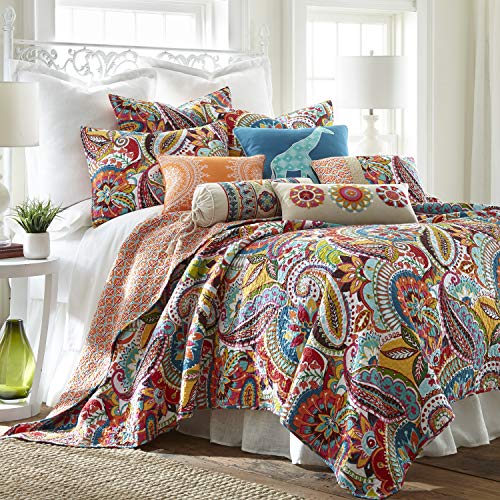
THE RHAPSODY DESIGN: One of our most popular quilt sets, Rhapsody is inspired by bohemian paisley patterns, with a fun, hip mix of oranges, reds, yellow, greens, and blues and a charming reverse pattern of ikat diamonds in orange, red and blue. A bound border provides contrast and texture to complete the look. The matching shams are randomly cut from the same fabric as the quilt, making each sham unique and not identical to any other sham.
Skill Level & Time Estimate
Editor’s Choice
Bedsure GentleSoft White Throw Blanket for Couch – Graduation Gifts Teac…

Rust-Oleum 267118 Painter’s Touch 2X Ultra Cover Spray Paint, 12 oz, Sat…

Minetom Curtain Lights, 300 LED Dimmable Fairy Lights Twinkle Lights wit…
Step 1: Choose Your Color Palette

Begin by selecting a color palette that radiates warmth. Consider these steps:
- Start by exploring color swatches or online resources to find warm tones.
- Opt for colors like soft reds, oranges, and warm yellows. These colors can evoke feelings of comfort and coziness.
- Limit your palette to 3-4 colors to maintain a cohesive look.
Pro Tip: Test colors in different lighting conditions to see how they change throughout the day. Why this matters: Selecting the right colors is crucial for creating the desired atmosphere in your bedroom. This step takes about 30 minutes.
Recommended Products
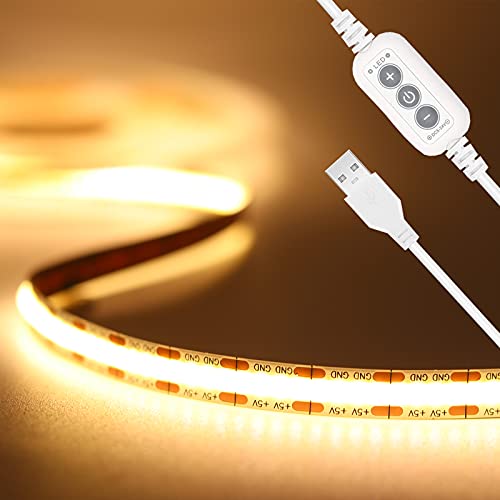
【Brighter TV Backlight】With 640LEDs in total(320LEDs/m),PAUTIX warm white COB USB LED strip lights creates brighter and super even lighting performance,which is ideal for reducing eyestrain(watching TV in the dark causes the eyes to constantly adjust between a bright screen and dark surrounding area)

【Brighter TV Backlight】With 640LEDs in total(320LEDs/m),PAUTIX warm white COB USB LED strip lights creates brighter and super even lighting performance,which is ideal for reducing eyestrain(watching TV in the dark causes the eyes to constantly adjust between a bright screen and dark surrounding area)

Product Information: Includes 2 curtain panels, Each panel measures 52" W x 72" L. The set includes two magnetic curtain tiebacks (18 inches long) to easily hold back curtains and showcase their beautiful design
Step 1: Choose Your Color Palette
Editor’s Choice

FAVOMOTO 1 Set Standard Paint Sample Cards, 365 Colors Walls Paint Chips…

Lystaii 9pcs Gel Light Filter Color Correction Colored Overlays Transpar…

Colorations Paraben-Free Washable Tempera Paint for Kids – 1 Gallon Valu…
Step 2: Apply Warm Colors to the Walls
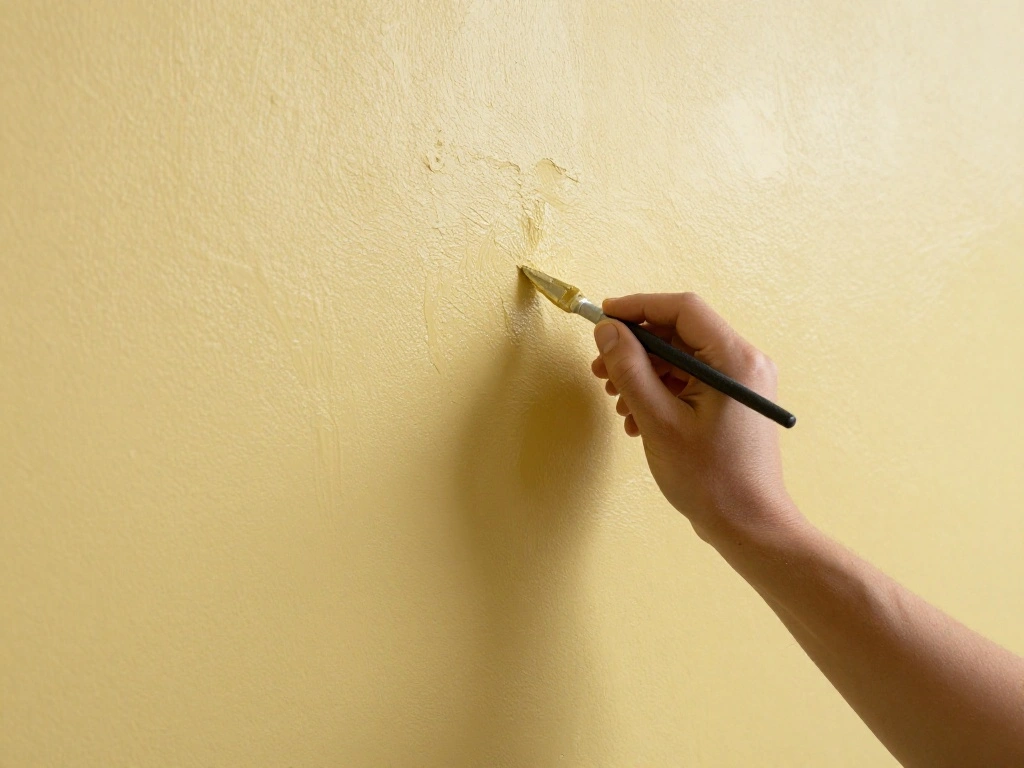
Now it’s time to apply your chosen colors! Follow these instructions:
- Prepare the room by moving furniture and laying down drop cloths.
- Use painter’s tape to protect edges and create clean lines.
- Start painting the walls using a roller for large areas and a brush for corners.
Warning: Ensure proper ventilation while painting. Why this matters: Freshly painted walls can dramatically change the room’s atmosphere. This step typically takes about 1-2 hours.
Recommended Products
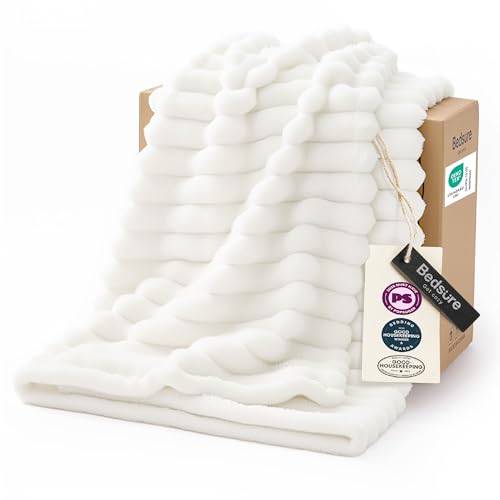
Ultra Soft: Crafted with enhanced premium microfiber, this striped flannel fleece throw blanket delivers an ultra‑soft, fluffy feel that instantly elevates your bedroom decor or aesthetic bedroom setup. Designed for year‑round comfort, it adds a warm, inviting touch to any house decor—from cozy reading corners to girls’ bedroom decor.

Thicker & Softer: We've upgraded our classic flannel fleece blanket to be softer and warmer than ever, now featuring enhanced premium microfiber. Its fluffy and ultra-cozy softness offers the utmost comfort all year round.

Gift‑Ready for Women, Teachers & Graduates: Thoughtful and meaningful, this summer blanket makes a heartfelt gift for teacher appreciation or graduation—celebrating the teachers who inspire and the students beginning new chapters. Beyond these moments, it’s also a lovely choice for birthdays, anniversaries, housewarming, spring gifting, or thoughtful gifts for women, mom, her, or grandma. Its cozy softness makes it a favorite among teen girls and anyone deserving of warmth and care.
Step 2: Apply Warm Colors to the Walls
Editor’s Choice

Pro Grade Paint Roller Kit, Brush & Roller,10 Piece Set, Wall Painting N…

12 x 9 Ft Plastic Drop Cloths (6-Pack) – Disposable Painter’s Sheeting &…

ScotchBlue Original Multi-Surface Painters Tape, 1 Inch Wide (0.94 in. x…
Step 3: Choose Warm Textiles

Textiles play a vital role in making your bedroom feel warm. Here’s how to select them:
- Look for blankets, pillowcases, and curtains in warm colors that complement your wall color.
- Choose materials that feel soft and inviting, such as cotton or fleece.
- Layer textiles to create visual interest; think about adding a throw blanket over your bed or decorative pillows on your couch.
Pro Tip: Mixing textures can enhance warmth; consider adding a chunky knit blanket or velvet cushions. Why this matters: Textiles not only add color but also comfort and coziness to your bedroom. This step takes about 30 minutes.
Recommended Products

Unframed Prints: Watercolor wall art prints - (Set of 6) - Unframed - 8x10 inches.
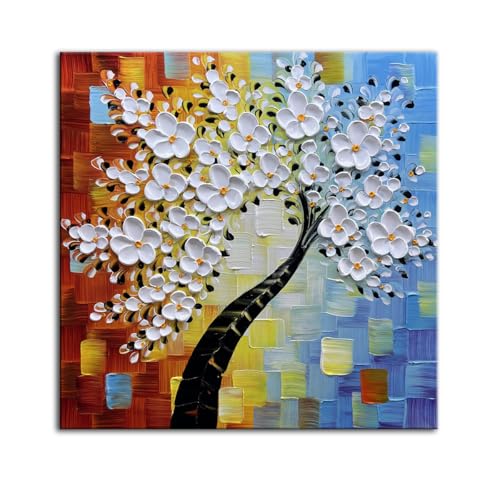
Size: 24×24 inches (60×60 cm). Original handmade oil painting. 100% hand-painted Artworks paintings by professional artists, not printed or poster.Each painting features rich texture, strong three-dimensional effect and is unique.

Lwoztra Brand Nursery Canvas Wall Art: Nursery canvas wall art set size: 8*10 inches (20*25 cm) * 6 pieces, you can choose the size you want to decorate your room and create a warm atmosphere for your room.
Step 3: Choose Warm Textiles
Editor’s Choice

Utopia Bedding 18×18 Pillow Inserts, Set of 2, White – Indoor Decorati…
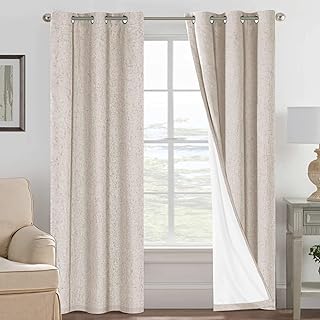
H.VERSAILTEX Blackout Linen Curtains, 100% Blackout Drapes Textured Blac…

50×70 Inch Rust Throw Blanket – Soft & Fluffy Fleece, Cute & Aesthetic, …
Step 4: Incorporate Warm Lighting
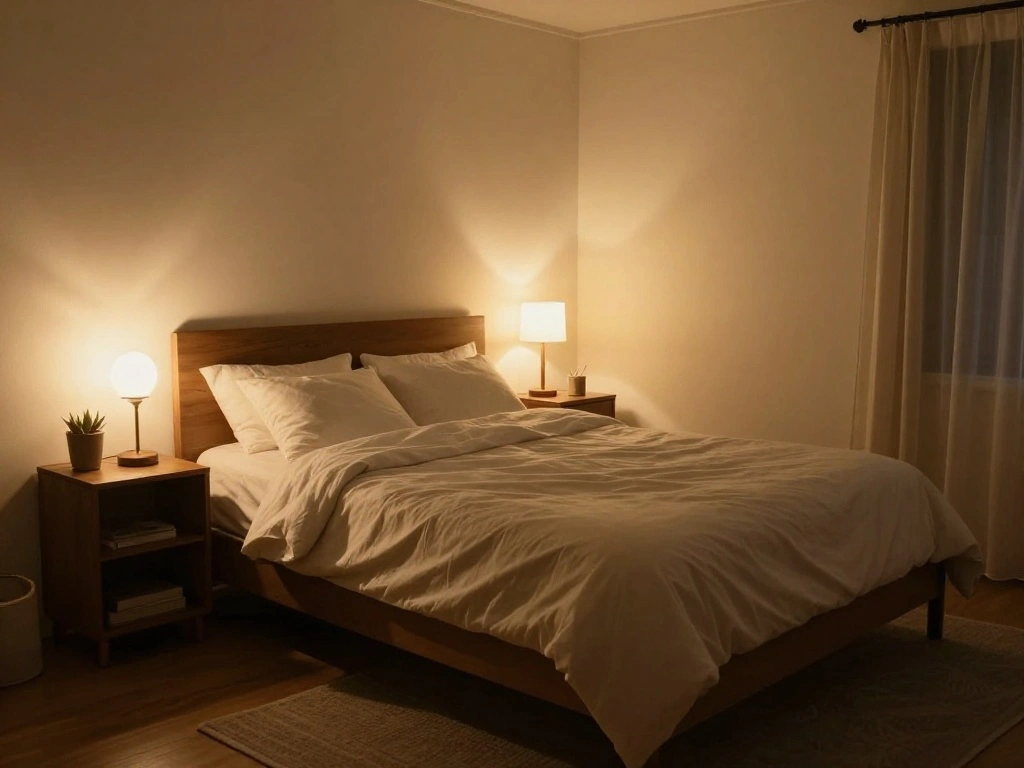
Lighting can significantly affect the feel of your bedroom. Follow these steps:
- Replace any cool-toned light bulbs with warm LED or incandescent bulbs.
- Consider adding table lamps with warm-colored shades to soften the light.
- Use dimmers if possible to adjust the lighting according to your mood.
Warning: Avoid harsh, bright white lights as they can create a cold atmosphere. Why this matters: The right lighting enhances the warmth created by your color choices. This step takes about 30 minutes.
Step 4: Incorporate Warm Lighting
Editor’s Choice

Battery Operated Table Lamps Timer, Mini Crystal Lamp for Area No Plug, …

Leviton Decora Slide LED Advanced Dimmer Switch for 150W Dimmable LED, H…

evelor 6-Pack A19 LED Light Bulbs,60 Watt Equivalent Soft White 2700K wi…
Step 5: Add Decorative Accents
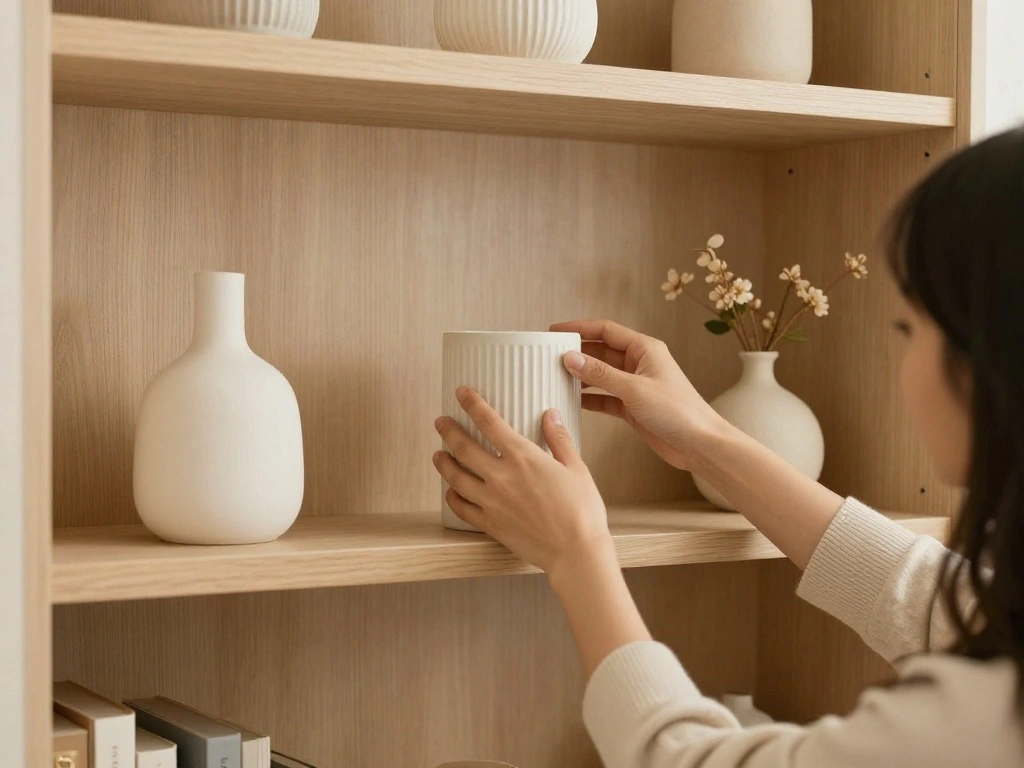
Now, it’s time to personalize your warm bedroom with decorative accents:
- Choose wall art that features warm colors or themes, like nature or abstract designs.
- Add pieces like vases, books, or candles that incorporate your chosen color palette.
- Arrange these items thoughtfully on shelves and tables to create visual balance.
Pro Tip: Group smaller items in odd numbers for a more appealing arrangement. Why this matters: Accents bring your personality into the space and help tie the room together. This step takes about 30 minutes.
Recommended Products

【Purple Boho Quilt Set】Bohemian purple quilt set king includes 1 quilt (104"x90"), and 2 pillow shams (20"x38"). The same patterned pillowcase design makes this boho bedding more harmonious and beautiful. And there will always be a little color difference between the actual quilt and the picture, which is unavoidable, please understand.

【Size】Queen - 3 Piece Set includes 1 Quilt (88 in wide x 92 in long), 2 Standard Shams (20 in wide x 26 in long)

Unique Designs: Designed by professionals and various styles; whether you're looking for sleek minimalistic geometric shapes, modern gamer video game, or animal inspired designs, you will find a unique bedding set in our store
Step 5: Add Decorative Accents
Editor’s Choice

imjiayu Tree of Life Wall Art, Large Wall Art, Nature Wall Decor, Women …

kanpura Clear Crystal Vase, Glass Flower Vase Thickening Design Suitable…

Christmas Birthday Gifts for Women Scented Candle, Valentines Day Gifts …
Step 6: Utilize Mirrors for Light Reflection
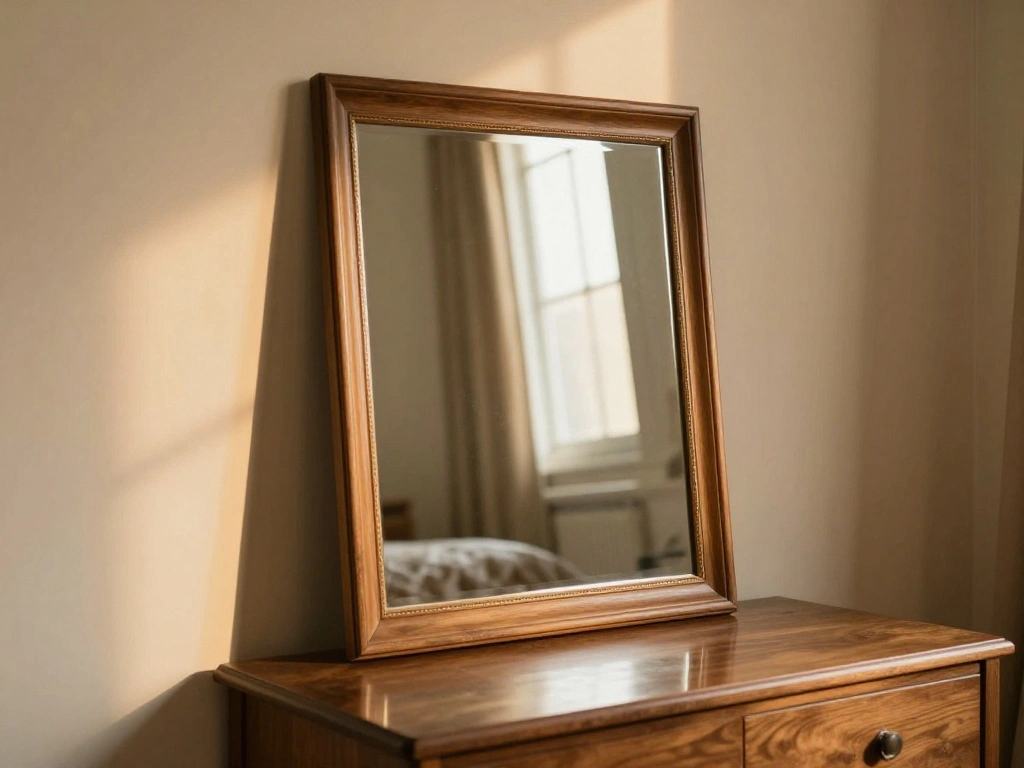
Mirrors can amplify warmth and light in your bedroom. Follow these steps:
- Choose a mirror with a warm-toned frame that complements your color scheme.
- Position the mirror opposite windows or light sources to reflect natural light.
- Consider adding smaller decorative mirrors on walls to create a layered effect.
Pro Tip: Use a large mirror to make the room feel more spacious while enhancing light. Why this matters: Mirrors help brighten the space, making it feel larger and cozier. This step takes about 30 minutes.
Recommended Products

✨【Dimmable TV LED Backlight】960 LEDs of the 6.56ft usb cob led strip light provide brighter,softer,and more uniform light output than traditional SMD under cabinet kitchen lights.No flickering, no dark area.Our LED strip light for ambient lighting comes with a USB on/off switch to adjust the brightness(11 level),protect our eyes.

Super Bright & Long: Never heard of COB LED strip lights? Compared to SMD LED strips, COB (Chip On Board) LED Lights have multiple chips on the PCB (Printed Circuit Board), resulting in a super even lighting performance with no dark spots! With 4800 high-quality LEDs and a 2700K color temperature, you'll enjoy incredibly bright lighting and improved color quality.The ultra-long continuous length of 32.8 feet/10 meters can satisfy you to decorate large spaces!
Step 7: Create a Cozy Nook
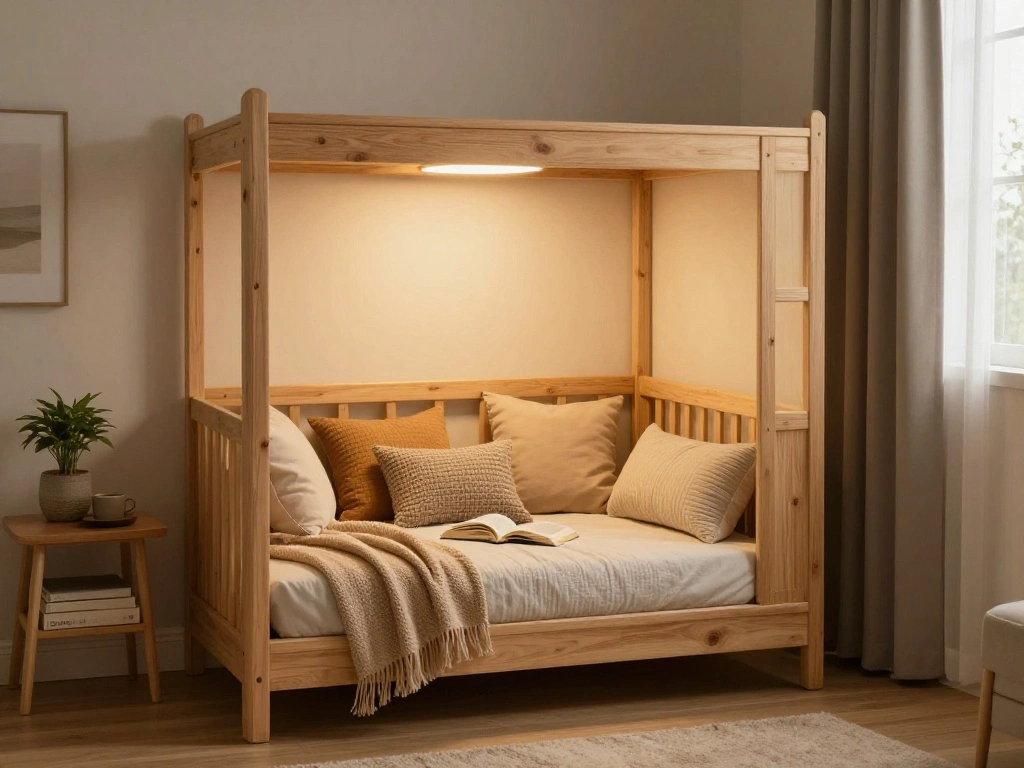
A cozy nook can become your favorite spot in the bedroom. Here’s how to create one:
- Find a corner of your bedroom that feels inviting.
- Add a comfortable chair or bean bag in a warm color.
- Include a small side table for books or a cup of tea.
Pro Tip: Use a small rug to define the space and add warmth underfoot. Why this matters: A cozy nook provides a retreat within your bedroom for relaxation and comfort. This step takes about 30 minutes.
Recommended Products
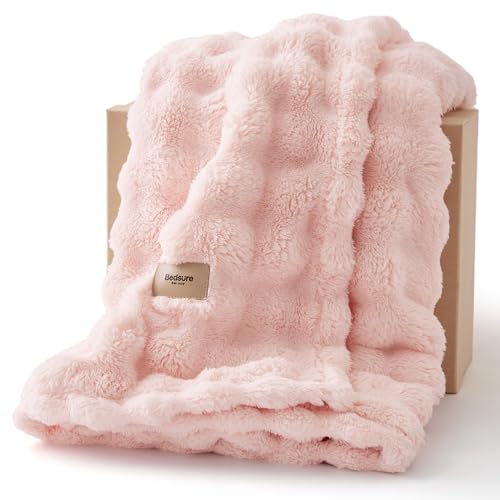
Cozy Bubble Throw Blanket for Couch & Room Decor : This cozy blanket features Bedsure’s signature CloudBubble 3D texture, adding visual interest and a soft, cute look to any space. Designed as a versatile throw blanket for couch, sofa, or bed, it works effortlessly as both a functional layer and stylish room decor.

Ultimate Comfort & Warmth: Wrap yourself in the luxurious softness of our bubble faux fur throw blanket. Made with 800GSM fluffy faux rabbit fur on one side, providing an incredibly plush and warm touch, while the other side features a crystal super soft short plush, offering additional smoothness and comfort. This dual-sided blanket ensures unparalleled warmth without causing overheating, making it perfect for chilly nights on your couch or bedroom.

Ultra Soft: This jacquard shaggy Fleece throw blanket features enhanced premium microfiber. Its fluffy and ultra-cozy softness offers the utmost comfort all year round, making it a perfect cozy essential for women to snuggle up and relax in style
Step 7: Create a Cozy Nook
Editor’s Choice

JPBSTO Upholstered Desk Chair with Pillow Swivel Rolling Accent Chair fo…

BEDELITE Fleece Decorative Blanket – 3D Jacquard Pink Throw Blankets for…

4Pcs Pink Black Girls Bathroom Sets with Shower Curtain and Rugs, Fashio…
Step 8: Final Touches and Review
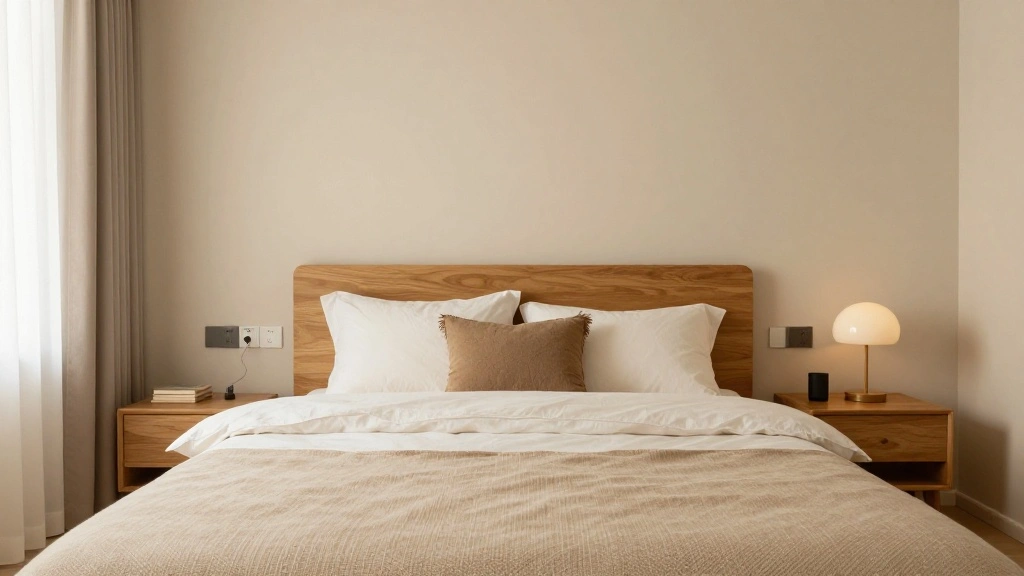
Complete your warm bedroom transformation with final touches:
- Review your color choices and accents to ensure they harmonize.
- Add any additional items you might have missed, like plants or decorative trays.
- Take a step back and assess the overall feel of the room; make adjustments as needed.
Pro Tip: A houseplant can add life and warmth to your space. Why this matters: Final touches can elevate the entire look of your bedroom, making it feel complete. This step takes about 30 minutes.
Step 8: Final Touches and Review
Editor’s Choice

Der Rose Set of 6 Succulents Plants Artificial in Pots Small Fake Plants…

DREAMNINE Soft Faux Bubble Rabbit Fur Throw Blanket for Couch, Thick Coz…
Hanobe Wooden Tray for Coffee Table: Candle Holder Plate Round Decorativ…
Pro Tips
- Color Psychology: Understand how colors affect mood; warm colors can promote relaxation.
- Layering Textiles: Use different textures to create depth and comfort in your decor.
- Seasonal Changes: Refresh your color scheme with seasonal accents for a new look without major changes.
- Personal Touch: Include personal items that evoke positive memories to enhance warmth.
- Focus on Lighting: Pay attention to the type of light bulbs; warm white bulbs create a cozy atmosphere.
Pro Tips
Editor’s Choice

EDISHINE Tripod Table Lamp, Small Cute Bedside Lamp with Linen Beige Lam…

LANANAS Neutral Couch Throw Pillow Covers 18×18 Inch Set of 4 Decorative…
50×70 Inch Rust Throw Blanket – Soft & Fluffy Fleece, Cute & Aesthetic, …
Common Mistakes to Avoid
Warning: Don’t choose overly dark colors; they can make the room feel smaller and dreary. Instead, opt for lighter warm shades.
Warning: Avoid cluttering the space with too many accents; it can overwhelm the warm effect. Keep decor streamlined and purposeful.
Warning: Don’t neglect lighting; insufficient lighting can diminish the warmth of your colors. Always ensure your room is well-lit with warm bulbs.
Common Mistakes to Avoid
Editor’s Choice

Evolve Interior Paint & Primer, Four Sheens, 1-Gallon & 5-Gallon, Design…
Troubleshooting Section
Problem: The room still feels cold after painting.
Solution: Add more warm textiles and decor items that complement your color scheme.
Problem: Colors look different once applied.
Solution: Test paint samples on the wall before committing to a full application.
Problem: The lighting feels harsh.
Solution: Switch to warm light bulbs and consider adding soft lampshades.
Problem: The space feels cluttered.
Solution: Remove unnecessary items and focus on a few key decorative pieces.
Troubleshooting Section
Editor’s Choice
TJOY 6 Pack A19 LED Light Bulbs, 60 Watt Equivalent LED Bulb, Warm White…

Urbanest Softback Bell Lampshade, Faux Silk, 5-inch by 9-inch by 7-inch,…

Wearable Blankets for Women and Men, Graduation Day Gift for Her, Father…
Variations/Alternative Methods
- Accent Walls: If painting the entire room isn’t feasible, consider an accent wall in a warm color. It can still create a focal point and add warmth to the room.
- Wall Decals: Use removable wall decals in warm colors for a quick and temporary change without the commitment of paint.
- Textile-Only Approach: If you rent or don’t want to paint, focus on warm textiles and lighting to achieve a cozy feel.
Variations/Alternative Methods
Editor’s Choice

THE ART BOX Tapestry Turquoise Tree of Life Wall Hanging – Indian Cott…
FAQs
What if I don’t have warm colors? You can create warmth with warm lighting and rich textures, even if your base colors are cool.
How long should I wait to paint? Allow the paint to dry completely before moving furniture back, usually around 24 hours.
Is it safe to mix warm and cool colors? Yes, but do so sparingly to maintain a cohesive look; use warm colors as the base.
What if I want to change the color later? Choose washable paint for easier touch-ups or future changes.
How can I make a small room feel warm? Use lighter warm colors and mirrors to create an illusion of space while adding warmth.
FAQs
Editor’s Choice

Bedsure 3D Fleece Bubble Blanket for Couch – GentleSoft Cute White Throw…

Amber Sleep Light Bulbs, Blue Light Blocking, A19 9W(60 Watt Equivalent)…

Rust-Oleum 1994730 Brush Painter’s Touch Ultra-Cover Multi-Purpose Ename…
Conclusion
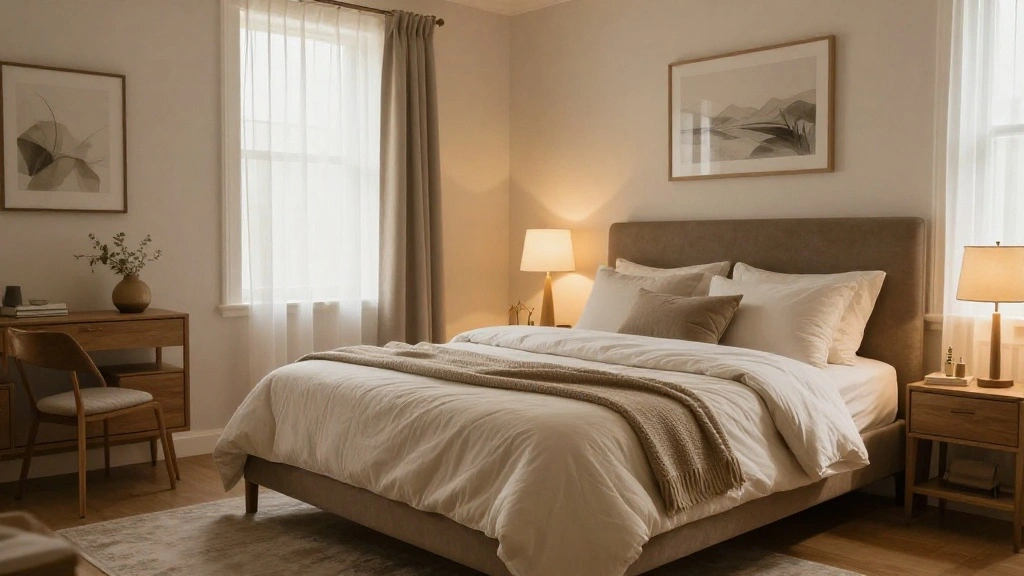
Congratulations! You’ve successfully transformed your bedroom into a warm and inviting space. By choosing the right colors, textiles, and lighting, you’ve created a cozy retreat that reflects your personality and promotes relaxation.
As you enjoy your newly styled bedroom, consider exploring other areas of your home that might benefit from similar changes. Don’t hesitate to experiment with colors and textures to find what feels best for you. Happy decorating!