
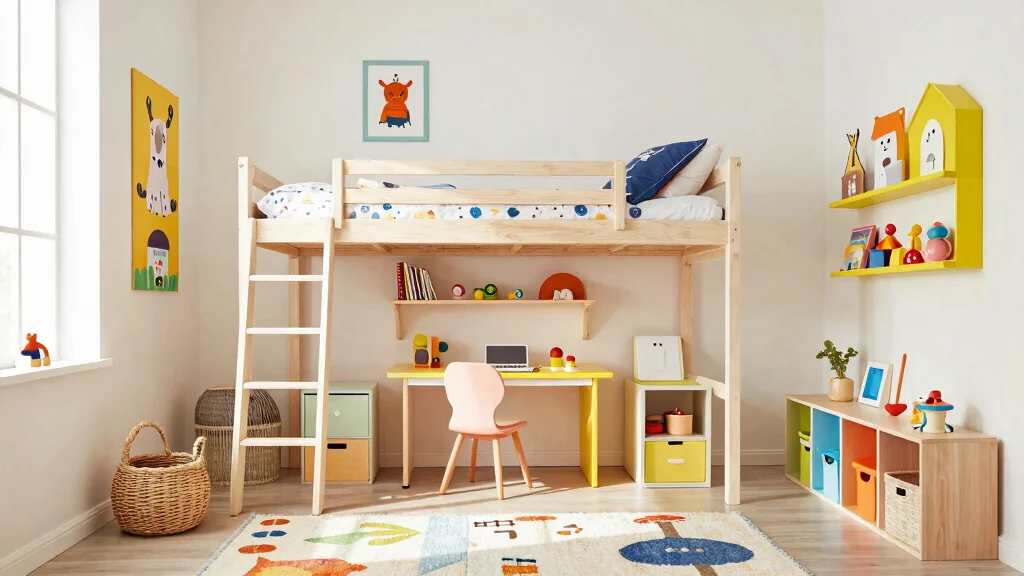
Creating a cozy and functional space for your little ones can feel overwhelming, especially when you’re working with a small kids bedroom. This post is here to help you transform tight spaces into vibrant, imaginative sanctuaries. Whether you’re a parent looking to optimize your child’s bedroom, or someone who wants to create a special place for play and rest, you’ll find ideas that are both practical and fun.
If you love home decor and want to make the most of every square inch, this one’s for you. Designing a small kids bedroom doesn’t have to mean sacrificing style for practicality. Instead, you can blend colorful wall art, playful storage solutions, and multifunctional furniture to create a space that is both beautiful and efficient. In this post, I’ve gathered 10 inspiring ideas that will help you maximize space while still keeping things playful and personalized for your child.
By the end of this guide, you’ll have actionable tips that can change the way you see your child’s room. From clever storage hacks to vibrant decor ideas, you’ll learn how to turn a small kids bedroom into a welcoming retreat. Plus, you’ll have the tools to infuse your child’s unique personality into their space, making it a place they’ll love to spend time in.
Key Takeaways
– Loft Beds can create extra floor space for play while providing a cozy sleeping area above. This enables you to use the area underneath for storage or a play nook.
– Multipurpose Furniture is essential in small spaces. Look for items like sofas that convert into beds or desks with built-in storage to save room and increase functionality.
– Colorful Wall Art adds a playful touch to the bedroom. Use removable decals or framed artwork to create a lively atmosphere that can be easily updated as your child grows.
– Clever Storage Solutions like under-bed bins, wall shelves, and hanging organizers can help manage toys and clothes, keeping the room tidy without taking up extra space.
– Interactive Elements, such as chalkboard walls or a small reading nook, engage your child creatively. These features not only maximize space but also inspire imaginative play and learning.
Recommended Products
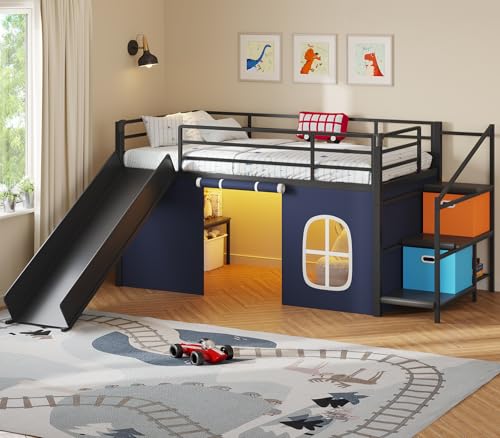
🛝【Fun & Safe Slide for Endless Adventures】This isn't just a low loft bed—it's a launchpad for daily fun! Crafted from durable, easy-clean stainless steel, it features a gentle 30-degree slope that ensures a smooth, controlled glide. High side rails and rounded handrails keep your little one securely guided from top to bottom, so you can relax while they play. This fun kid's bed with slide adds a cozy and exciting play corner to your child's room.

【Dreamy Starry-Night Design with LED Lights】This kids loft bed features a magical roof with star and moon-shaped cutouts and built-in LED light strips. The soft glowing lights create a cozy, imaginative atmosphere — perfect for bedtime stories and helping kids feel relaxed in their own enchanting girls loft bed playhouse.

【All-in-One Kids’ Low Loft Bed】—It's More Than Just a Twin Bed, It's a Childhood Wonderland! DICTAC twin loft bed combines sleeping, storage, play and a secret fort in one smart unit. Growing with your child—from a slide bed for toddlers to a cozy loft for older kids.Every stage fosters independence,sparks creativity,offers a cozy personal retreat.From laughter-filled rides down the slide to quiet loft moments, this kids bed with slide and storage is sure to become their favorite spot in the room.
1. Loft Beds: A Dream Come True
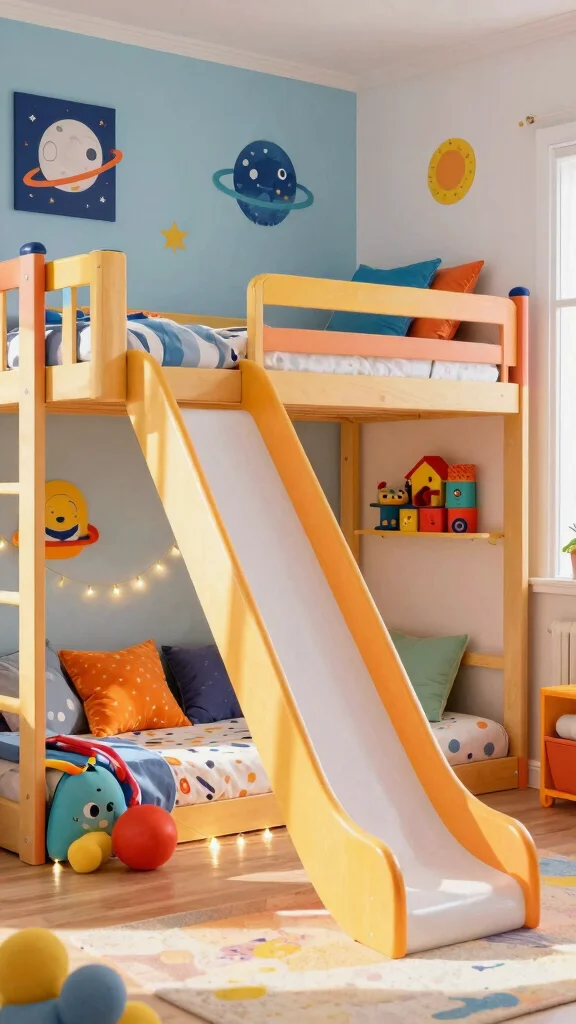
Loft beds are a brilliant way to maximize vertical space in small kids’ bedrooms.
These elevated beds create a cozy sleeping area while freeing up room below for play or study. With designs that include slides or built-in shelving, they add both fun and functionality to the space.
When choosing a loft bed, think about a style that can grow with your child, such as beds that convert to standard frames later.
Look for safety features like sturdy ladders and guardrails.
Personalize the area underneath with vibrant decor or a whimsical tent to spark your child’s imagination.
Consider these tips:
– Pair a loft bed with colorful bedding for a lively look.
– Install fairy lights under the bed for a magical touch.
– Use bins or baskets below for easy toy storage.
This setup not only enhances your child’s sleeping experience but also fosters creativity and fun in their own special space.
Did you know loft beds can free up 50-70% more floor space in a small kids bedroom? In a compact room, a loft bed creates a cozy sleeping nook while leaving space for play, study, and storage below.
Recommended Products
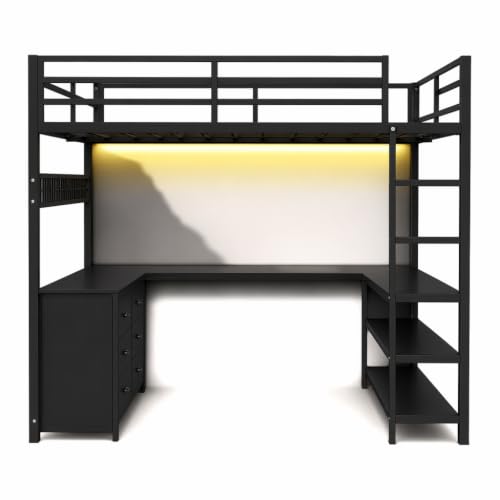
【All-in-One Space-Saving Powerhouse】 This full-size loft bed combines a sturdy metal sleeping platform, an ergonomic L-shaped corner desk, 6 large fabric storage drawers, 3 open shelves, a side hanging storage bag, and 5 S-hooks into one compact unit. Optimizing under-bed space utilization, this multi-functional loft bed maximizes every square inch of your small room—perfect for teens, college students, remote workers, and anyone living in compact apartments or dorms. Three color options available: Cream White, Stealth Black, and Vintage Walnut to match any décor style.

SPACE SAVER: This loft bed makes the most out of your child’s space with underneath opening for storage or play ; Use open space for remote learning or to build a fort ; Add our coordinating character tents to complete the look (tents sold separately)

Metal Loft Bed Twin Size: The twin size loft bed over dimension: 78"Lx41.33"W×71.68"H; Weight Capacity: 400Ibs. Recommended mattress: 4-6"; Tipps: For your safety, the mattress on the upper bed must be at least 5 inches (127 mm) below the top edge of the guardrail
📹 Related Video: Amazing Loft Bed with TONS of Cool Features!
Loft Beds: A Dream Come True
Editor’s Choice

GalnFu Low Loft Bed Twin Size with 8 Storage Drawers and Bookcase, Metal…


Low Loft Bed Twin Size with 4 Storage Drawers and LED Lights, Twin Loft …
2. Multipurpose Furniture Magic
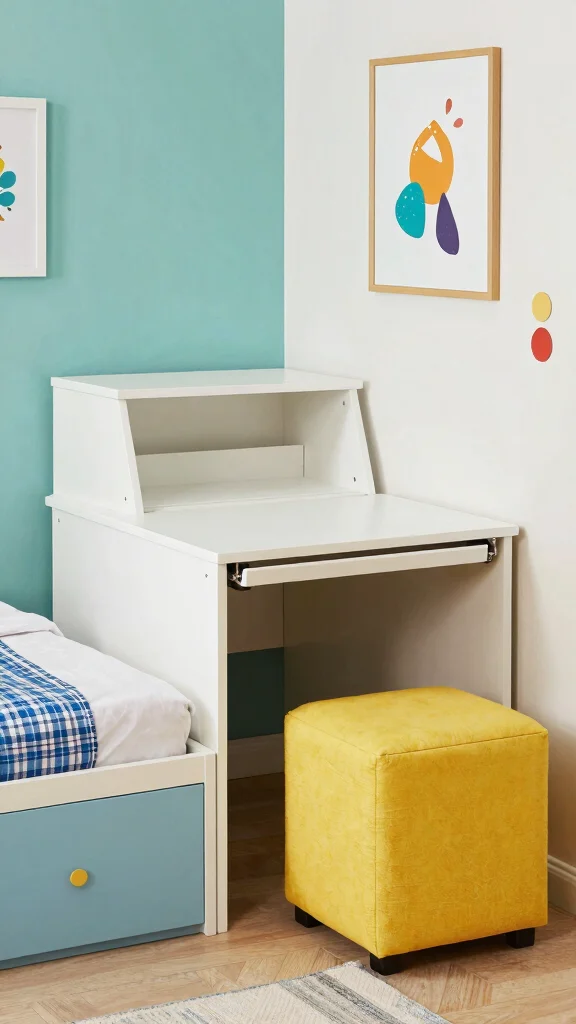
Multipurpose furniture is essential in small kids’ bedrooms, offering innovative solutions for limited space.
Items like convertible beds and storage ottomans help keep the area organized and stylish. A bed with built-in drawers can store clothes or toys, while a foldable desk can disappear when not in use.
When selecting these pieces, focus on durable materials that are easy to clean.
Stick to a cohesive color palette to unify the furniture, creating a pleasant atmosphere.
Teach your children how to utilize these multifunctional items, promoting good organizational habits.
Here are some suggestions:
– Use a bench with storage at the foot of the bed.
– Incorporate a desk that folds down when needed.
– Opt for a chair that can double as a step stool.
These smart choices not only save space but also enhance the room’s overall aesthetic and functionality.
Recommended Products

Premium Material : The under bed storage containers are made from high-quality, odorless, three-ply composite non-woven thick fabric, foldable and breathable, keep clothing fresh from long-term storage. NO cardboard NOR metal supports insert, arrive to you collapsed and packaged in a clear storage bag.

Thickened Toy Storage Bin: This lidded bin delivers great toy storage and meets all your diverse demands for organization and storage, keeping household items neatly organized. These practical toy chestes and storage bins work perfectly as underbed storage containers. The dimensions are 31.8×16×5.9 inches (81×41×15 cm).

Hold Up to 66lbs: Yecaye under bed storage with wheels is made of high quality 300D PU fabric and sturdy metal frame, can hold up to 66 lbs, stronger than other fragile metal mesh, spacious capacity perfect for storing clothes, toys, books, shoes and other heavy items also won't compromise stability and durability
Dimensions & Size Guide
Standard Sizes & Measurements:
When planning a small kids bedroom, understanding standard sizes for furniture and decor is essential. A typical twin bed measures about 39” x 75”. If space is tight, consider a loft bed or a bunk bed, which can save you floor space by using vertical space. Loft beds usually have a height of 60” to 80”, providing room underneath for a desk or play area.
For dressers, look for options that are around 30” wide and 18” deep. This size can fit comfortably in small corners without overpowering the room. Similarly, a nightstand should ideally be around 20” wide and 16” deep, easily fitting next to the bed without crowding the area.
Minimum Requirements:
To ensure comfort and functionality, maintain at least 24” of pathway space between furniture pieces. This allows for easy movement, especially when you’re dealing with energetic kids. If you’re using a loft bed, the area beneath should have a minimum ceiling height of 30” to accommodate a desk or seating comfortably.
Space Planning Considerations:
1. Layout: Before purchasing furniture, sketch a layout of the room. This helps visualize space and allows for adjustments.
2. Scale: Choose scaled-down furniture that fits the room’s proportions. Oversized pieces can make the space feel cramped.
3. Vertical Space: Remember to utilize vertical space. Shelving units that reach upwards can store toys or books without taking up much floor area.
4. Light Access: Keep windows unobstructed. Natural light makes small rooms feel more spacious.
5. Color: Lighter colors for walls and furniture can make the room appear larger than it is.
Quick Reference Table:
Size/Dimension – Best for: [Use Case], Minimum space needed: [Measurement]
– Twin Bed (39” x 75”) – Best for: Sleeping area, Minimum space needed: 3′ x 6’3″
– Loft Bed (39” x 75” + 60” height) – Best for: Maximizing floor space, Minimum space needed: 4′ x 6’3″
– Dresser (30” x 18”) – Best for: Clothes storage, Minimum space needed: 2’6″ x 1’6″
– Nightstand (20” x 16”) – Best for: Lamp and essentials, Minimum space needed: 1’8″ x 1’4″
– Shelving Unit (24” x 12”) – Best for: Toys and books, Minimum space needed: 2′ x 1′
Space Planning Tips:
1. Measure Twice, Buy Once: Always double-check your measurements before buying furniture. It’s easy to misjudge space. 📏
2. Consider Door Swing: Ensure the furniture doesn’t block doors or windows. A door swing takes up space, so keep that in mind. 🚪
3. Use Tape: Use painter’s tape on the floor to outline where you want to place furniture. This gives a clear view of space usage. 🎨
4. Test Dimensions: If possible, bring a measuring tape when shopping to check dimensions against the room specs. 🛍️
5. Avoid Clutter: Small rooms can quickly become cluttered. Less is often more when it comes to small kids bedrooms. Keep only essential items visible. 🧸
Pro Tip: The most crucial measurement to consider is the space around the bed. Ensure there’s at least 24” on either side to allow for easy access and movement. This keeps the room functional and safe, especially for young children.
Recommended Products
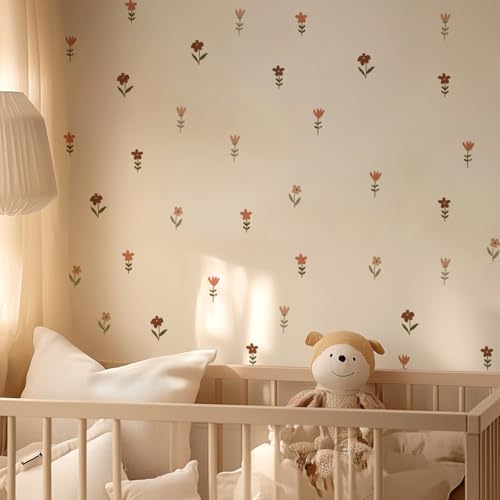
Value Package: 12 Sheets Boho wall stickers, each measures 14.8 cm*21 cm (5.82 inch * 8.26 inch) wall stickers in total.
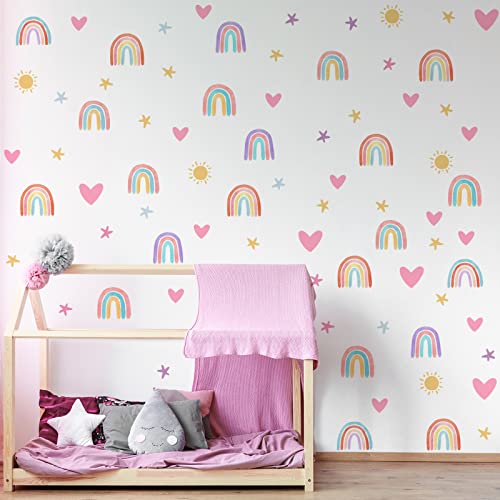
Charming Combination: you will receive 4 sheets wall decors, including 24 pieces of rainbow wall decor, 30 pieces of star stickers, 22 pieces of heart stickers and 6 pieces of sun stickers, a total of 82 pieces, rich styles and plenty quantity to make your room even more enchanting

Quality materials: Amimagen mermaid tail wall stickers are made of high-quality self-adhesive pvc matte material, safe and non-toxic
Multipurpose Furniture Magic
Editor’s Choice

B FSOBEIIALEO Storage Ottoman Cube, Flowers Shaped Ottomans with Storage…

Pamray 32 Inch Small Computer Desk with 2 Drawers for Bedroom Study Writ…

Giantex Twin Kids Bed with Storage Drawers, Wood Montessori Bed with Rai…
3. Bright and Playful Wall Art
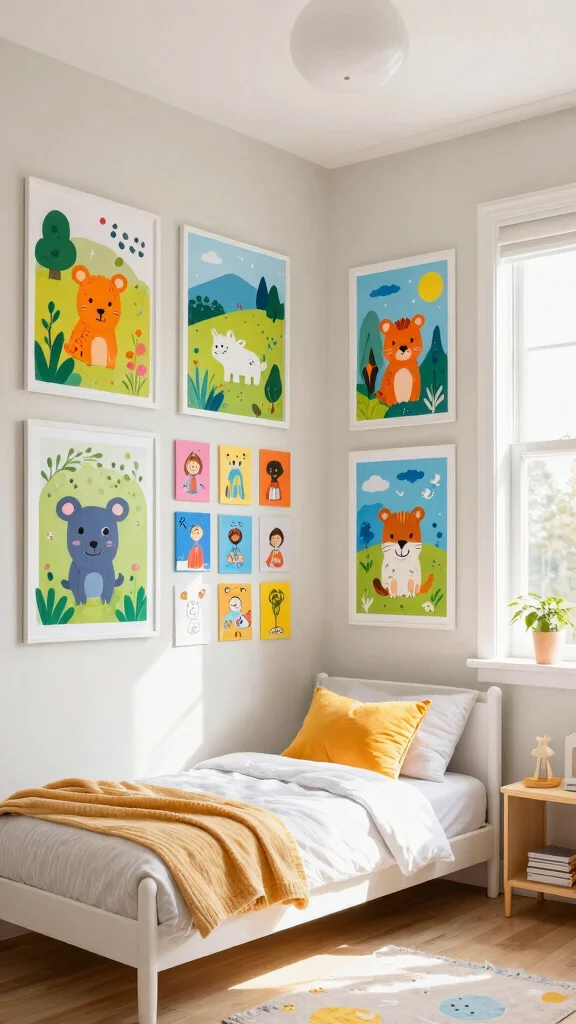
Colorful wall art can significantly elevate the atmosphere of a small kids’ bedroom, making it feel more welcoming and spacious.
Large prints or a gallery wall of smaller pieces can draw the eye upward, creating an illusion of height. Art featuring beloved characters or nature scenes can inspire creativity and joy.
To make the most of your wall art, select frames that enhance the room’s decor while adding a fun vibe.
Regularly rotate the artwork to keep it fresh and exciting.
Consider incorporating a chalkboard or magnetic wall for interactive art that your child can personalize.
Here are some ideas:
– Pair bright prints with neutral walls to make colors pop.
– Use removable decals for quick updates as interests change.
– Create a dedicated art display area for your child’s creations.
This approach not only beautifies the space but also encourages your child’s artistic expression and imagination.
Recommended Products

5-IN-1 MULTIFUNCTIONAL DESIGN: This kids table and chairs comes with a hidden lift bar that easily converts the table into an art easel. In easel mode, the under-table storage space instantly transforms into a building block area or craft corner. When closed, it transforms back into the ideal teaching/study toddler desk for kids. With a large 42.9“ L x 22” W tabletop, it provides ample space for parent-child guidance or activities, and is perfect as an art table, game table or dining table.

5-IN-1 MULTIFUNCTIONAL DESIGN: This kids table and chairs comes with a hidden lift bar that easily converts the table into an art easel. In easel mode, the under-table storage space instantly transforms into a building block area or craft corner. When closed, it transforms back into the ideal teaching/study toddler desk for kids. With a large 42.9“ L x 22” W tabletop, it provides ample space for parent-child guidance or activities, and is perfect as an art table, game table or dining table.

【Saving and Creating Space Design】Combining a daybed, multiple storage spaces, desk and power strip in one, the DICTAC twin size beds making the most of your available space, it provides practical functionality and fits perfectly into corner thanks to its clever L-shape, making it perfect for compact spaces such as studio apartments, bedrooms with limited space, or multifunctional rooms ,providing comfortable seating during the day and additional sleeping space at night.
🛏️ Transform Your Kids’ Bedroom!
Unlock creative space-saving solutions with our Bedroom Makeover Planner to design a cozy and organized room for your little ones.
Bright and Playful Wall Art
Editor’s Choice

97 Decor Kids Playroom Wall Decor – Colorful Nursery Wall Art, Kids Post…

Americanflat – 2 Pack – Kids Artwork Frame Changeable (Black) – Magnetic…

KLOGTSIND Kids Art Display Wall Decor, Wooden Beads Garland Frame Holder…
4. Clever Storage Solutions

Smart storage is crucial for maintaining order in small kids’ bedrooms.
Utilizing vertical space with wall shelves, hanging organizers, and over-the-door hooks can drastically improve functionality. Labeled bins and baskets help your child easily find and store their toys, making cleanup a breeze.
Here are some clever storage tips:
– Incorporate storage into furniture like beds with drawers.
– Use colorful bins that add to the decor while being functional.
– Create a system that is easy for children to use, encouraging them to help tidy up.
This strategy not only keeps the room organized but also teaches kids valuable habits about cleanliness and responsibility.
Fun fact: in a small kids bedroom, clean-up time drops by 40% when storage is visible and labeled. Use wall shelves, hanging organizers, and beds with drawers—tidiness becomes a game, not a chore.
Recommended Products
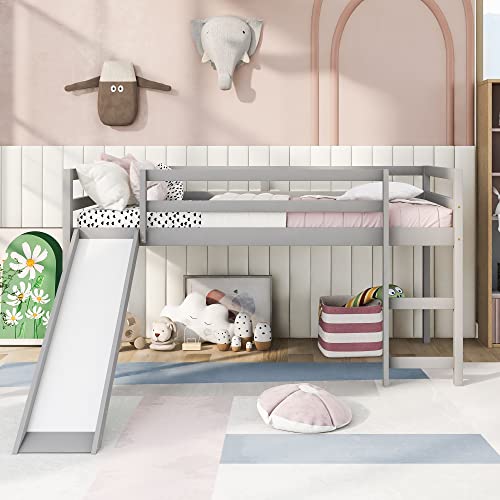
This twin size low loft bed offers kids two fun ways to climb up: a sturdy ladder and a built-in slide. The lower height makes access easy and reduces fall risk, while the slide turns bedtime or play into an adventure. Perfect for young children, it combines safety, accessibility, and everyday excitement.

【Enhanced Safety for Kids】This low loft bed features a 13.8" extended guardrail, a heavy-duty metal frame up to 400 lbs, rounded corners, anti-toppling device, and a wide ladder with soft foam padding makes climbing safer for little feet. Fits 4–6" mattresses to keep children securely in place through the night.

【Twin Loft Bed with Slide】A low loft bed with slide adds an element of fun and adventure to your child's bedroom.Kids will love sliding out of bed each morning, and the slide can also be used as an indoor play area.The slide is removable,you can place it according to your need.
Clever Storage Solutions
Editor’s Choice

Whitmor 36 Pair Over The Door Shoe Organizer, 12 Tier Hanging Shoe Organ…

Bostitch Konnect Storage Containers with Lids, Clear Plastic Box, Stacka…
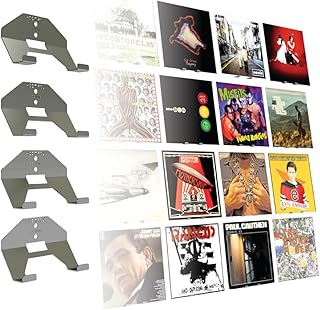
Kestrel Designs Vinyl Record Floating Shelf Wall Display, Stainless Stee…
5. Fun Rugs to Define Spaces
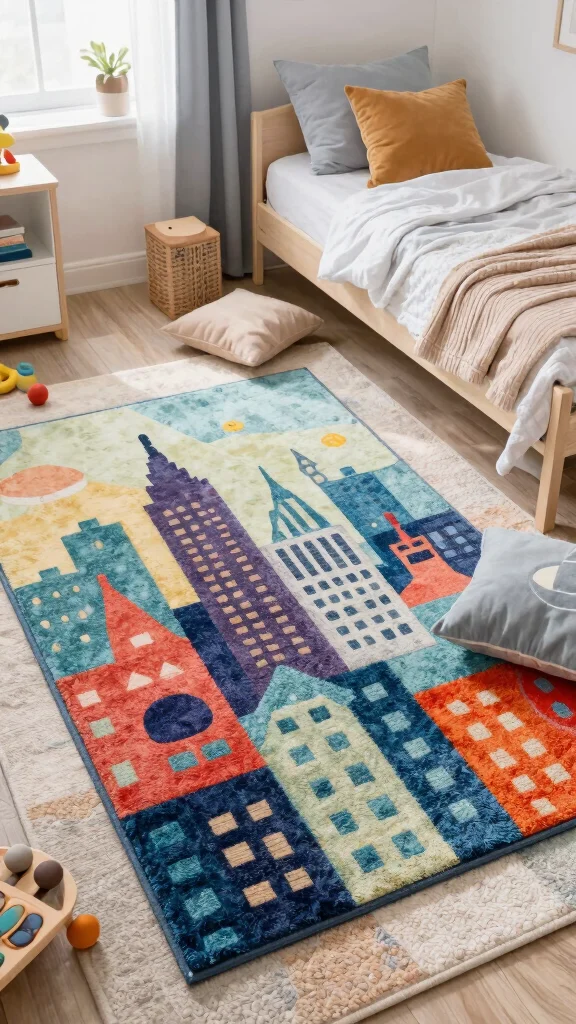
Rugs are a fantastic way to create distinct areas within a small kids’ bedroom, offering cozy zones for play and rest.
Bright, patterned rugs add warmth and comfort while also helping to absorb sound, especially in shared spaces. Look for rugs that are durable and easy to clean to handle the wear and tear of active play.
Here are some effective rug tips:
– Choose a large rug to anchor furniture and unify the space.
– Layer rugs to add texture and visual interest.
– Opt for themed rugs that inspire imaginative play, like roads or jungles.
This thoughtful use of rugs not only enhances the room’s comfort but also encourages creativity and fun.
Recommended Products

Strong frame: Adopt square frame structure stronger to make the bed frame more stable, the maximum bearing capacity can reach 400 lbs.

Spacious Multi-Functional Under-Bed Area: This loft bed twin size features a generous 58.85" open space beneath the bed, making it ideal for a study desk, reading nook, or extra storage. Create a clutter-free, versatile area that perfectly fits your unique bedroom needs

Spacious Multi-Functional Under-Bed Area: This loft bed twin size features a generous 58.85" open space beneath the bed, making it ideal for a study desk, reading nook, or extra storage. Create a clutter-free, versatile area that perfectly fits your unique bedroom needs
You might also like
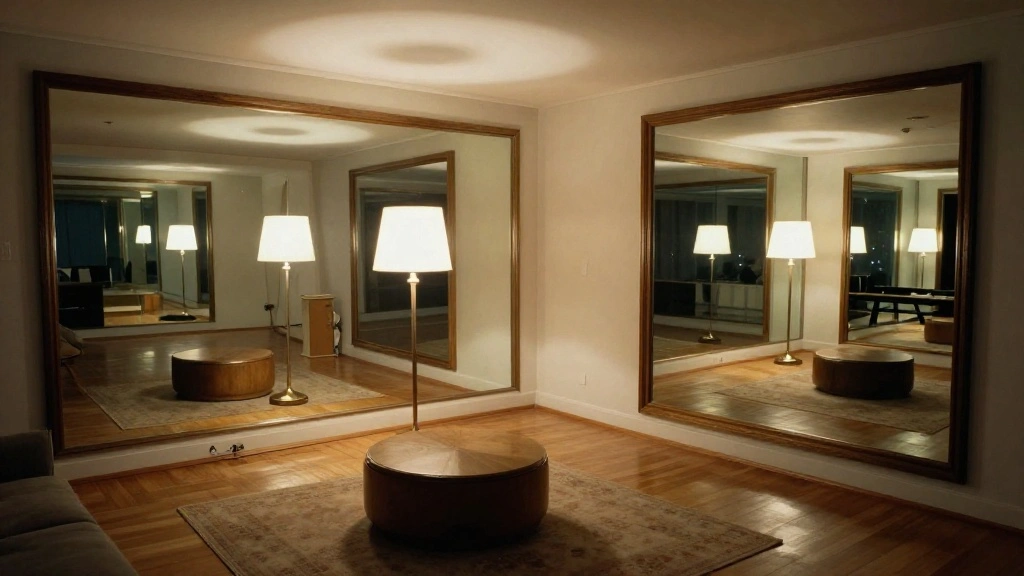
Fun Rugs to Define Spaces
Editor’s Choice

Ophanie Checkered Rainbow Rug for Living Room Bedroom,Colorful Fluffy So…

Esup 4’x6′ Non-Slip Kids Rugs Perfect for Playrooms, Bedrooms, and Nurse…

Pionblank Kids Car Rug for Playroom Bedroom, 4×5 Educational Happy Farm …
6. Creative Ceiling Decor
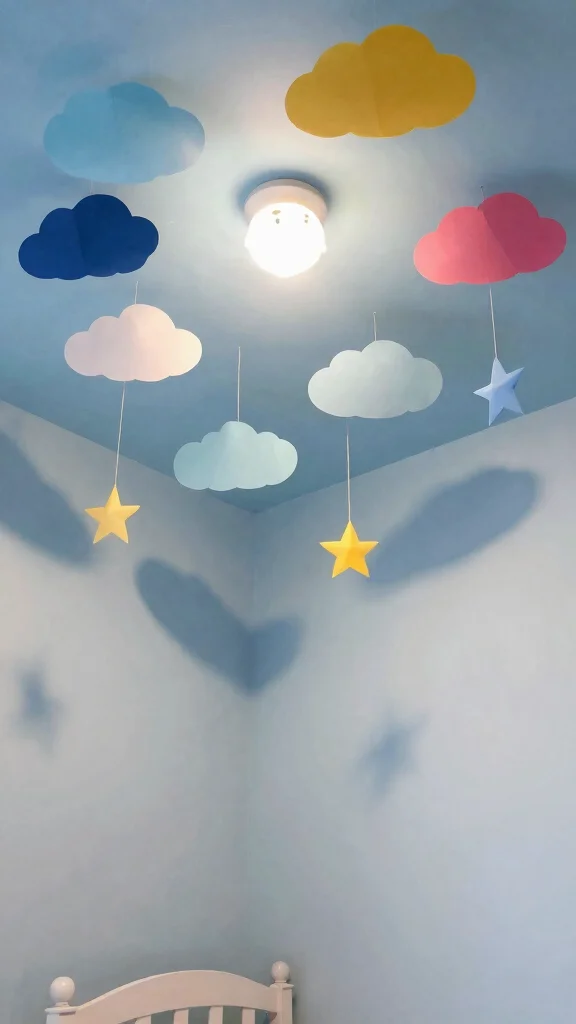
Don’t overlook the ceiling when designing a small kids’ bedroom!
Adding decorations like hanging mobiles, painted clouds, or stars can ignite your child’s imagination without taking up floor space. A beautifully decorated ceiling can transform the room into a whimsical sanctuary, making bedtime an exciting adventure.
For safe and creative ceiling decor, choose lightweight materials for hanging items.
Incorporate glow-in-the-dark elements for nighttime surprises.
Consider ceiling-mounted storage solutions for art supplies, adding style without clutter.
Here are some ideas:
– Hang colorful paper lanterns for a playful ambiance.
– Use removable ceiling decals for easy updates.
– Create a themed ceiling mural that sparks imagination.
This unique approach adds charm and wonder, enhancing the overall bedroom experience.
Recommended Products


80L Expandable Larger Capacity : Under the bed storage with dimensions 31.5 x 15.75 x 9.45 inches (with wheels), height adjustable from 9.45" to 11.02" to fit most bed frames. Perfect for storing clothing, shoe, bedding, pillow, towel, and seasonal decor like wrapping paper, Christmas and Halloween supplies. Slides smoothly under bed, couch, closet and table to maximize unused space

WELL BUILT AND NON-DEFORMING: The underbed storage containers are made from high-quality metal material, compared with traditional fragile plastics and non-woven materials that are easily deformed and torn, our under bed storage drawer on wheels is more durable and has better load-bearing capacity, which will meet your long term storage needs.
Creative Ceiling Decor
Editor’s Choice

The Peanutshell Crib Mobile for Boys or Girls – Light and Dark Blue Musi…

Glow in The Dark Stars Stickers for Ceiling, Adhesive 200pcs 3D Glowing …

16 Pcs 3D Cloud Decorations Hanging Clouds for Ceiling Artificial Clouds…
7. Personalized Touches with Name Decor
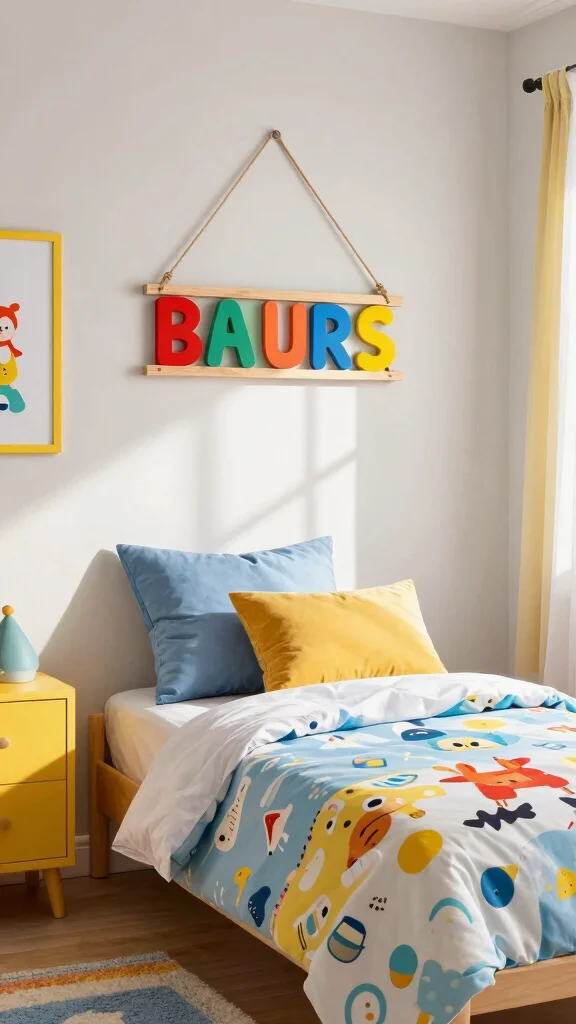
Bringing personalized elements into a small kids’ bedroom makes the space feel special and uniquely theirs.
Using their name or initials as decor enhances the room’s aesthetics and fosters a sense of ownership. Custom wall art, name plaques, or monogrammed bedding are wonderful ways to add that personal touch.
Consider these personalization ideas:
– Opt for handmade decor that reflects your child’s personality.
– Use removable wall decals for names that can grow with them.
– Involve your child in selecting decor to make it more meaningful.
This thoughtful addition not only beautifies the space but also strengthens your child’s connection to their bedroom.
Recommended Products

Reliable Material: wondever wall decals are made of high quality self-adhesive PVC matte material, safe and non-toxic, easy to peel and stick, durability and waterproof.

Ploka Wall Decor;Pop of Color:The package contains polka dots wall decals with pop colors,we provide large amount of colorful bright polka dot wall decals for you to perfectly complement the bright and cheery theme for any rooms.You will get many gorgeous and different colors to create any shape wall art for your aimed places.Easily transfer a plain wall into vivid and full of pop atmosphere

It can be stuck onto any clean, dry, non-textured smooth surfaces: walls, windows, tiles, furniture, mirrors, even your refrigerators.
Personalized Touches with Name Decor
Editor’s Choice

Boao Personalized Name Wall Decal Large Cursive Letter Stickers Big Alph…

Custom Comforter Set with Photos Personalized Customized Picture Bedding…

Personalized Wooden Name Sign for Nursery Wall Letters Custom Baby Name …
8. Transformative Color Schemes
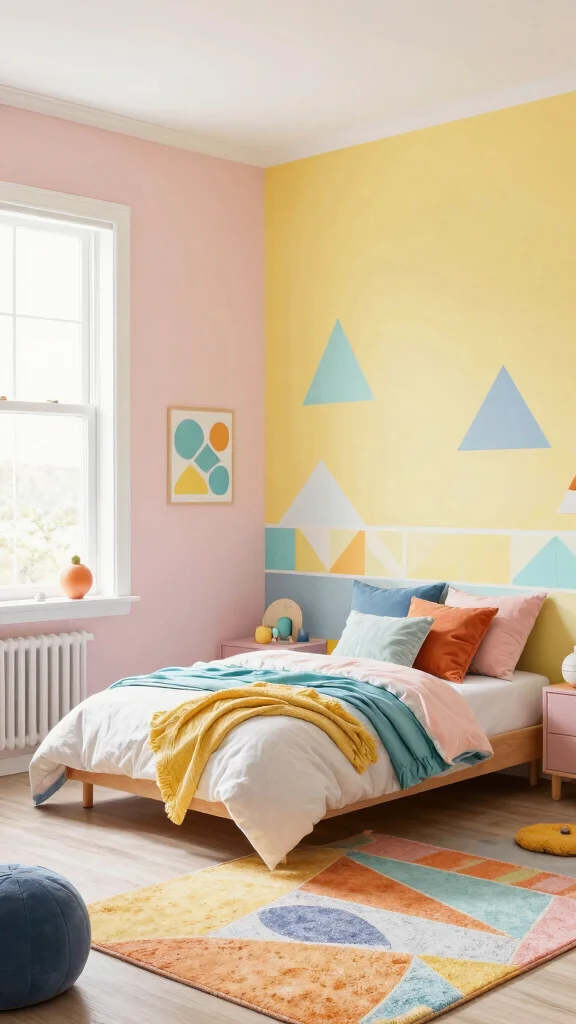
Color is crucial in small kids’ bedrooms, impacting mood and the perception of space.
Soft pastels create a calming atmosphere, while vibrant colors energize the room. When selecting a color scheme, think about how colors work together to enhance the overall vibe.
Here are some color scheme ideas:
– Use a neutral base with bright pops of color in decor.
– Introduce an accent wall with fun patterns that can easily evolve.
– Incorporate colors that reflect your child’s personality, making the room feel uniquely theirs.
This intentional use of color not only beautifies the space but also creates an environment that resonates with your child’s spirit.
Fun fact: Soft pastels can make a small kids bedroom feel up to 20% larger, while bright accents spark energy for playtime. Pair a neutral base with pops of color to balance mood and space. Your color scheme guides how your child feels and moves through the day.
Recommended Products
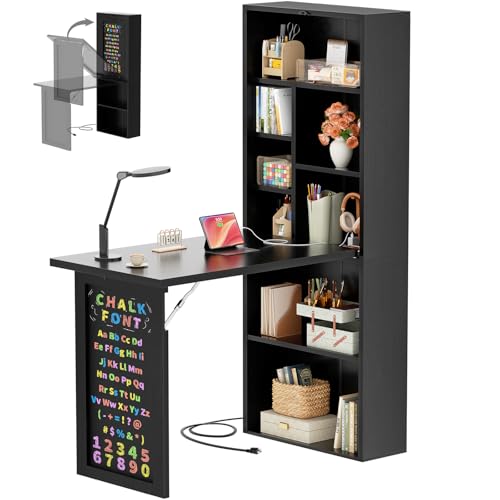
Space-Saving Foldable Design - Maximize your living space effortlessly with Armocity's innovative foldable table. Its clever collapsible design allows for compact storage when not in use, making it ideal for small home offices, small apartments, or craft corners. Maximizes utility where room is limited

SAFE MATERIALS: The toddler play table features a solid natural bamboo frame and tabletop, ensuring stability and preventing wobbling. Bamboo's inherent flexibility and strength withstand even three children standing on it without damage. Rounded edges and a sanded surface guarantee smoothness without splinters, offering peace of mind during play.

KIDS CARE DESIGNED TABLE: The desktop features a dual-sided design for versatile use. One side has paper locators for paiting, while the other side is equipped with a baseplate. This not only provides children with options for reading and drawing but also allows them to play with building blocks, enhancing the fun factor
You Might Also Like
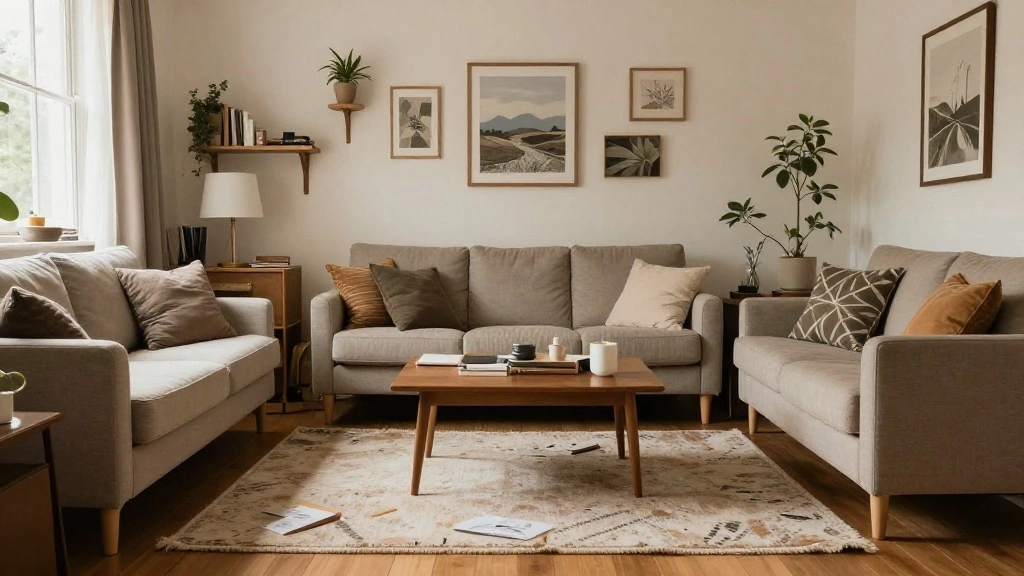
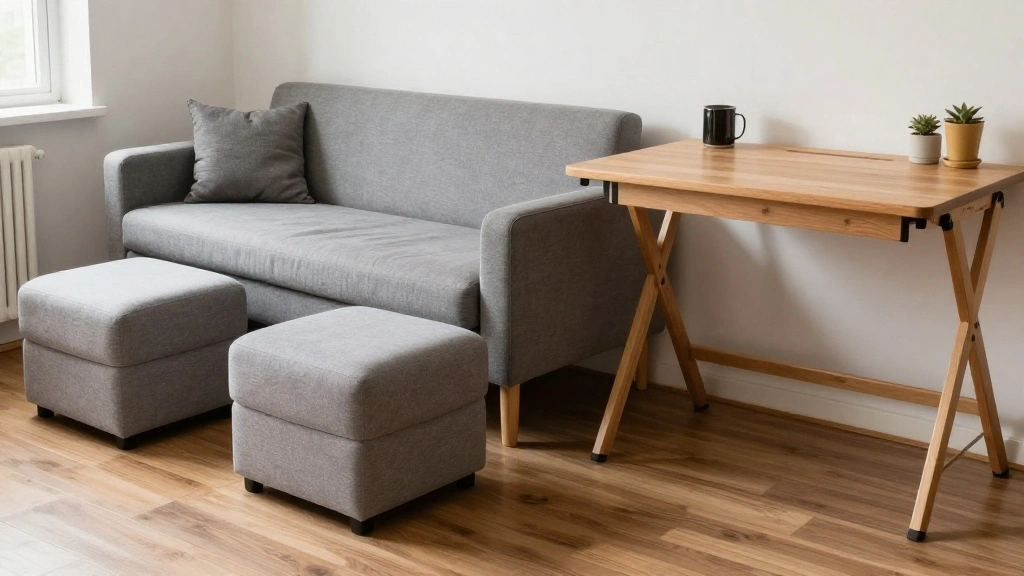
Transformative Color Schemes
Editor’s Choice

15.7″ X 118″ Black Silk Wallpaper Embossed Self Adhesive Peel and Stick …

Amazon Basics 2-Piece Soft Microfiber Kids’ Comforter and Pillow Sham Se…

Kids Affirmation Wall Art Positive Canvas Wall Decor Inspirational Quote…
9. Interactive Elements for Engagement

Incorporating interactive elements in a small kids’ bedroom sparks creativity and engagement.
Features like a chalkboard wall, a cozy reading nook, or an art station make the space enjoyable and promote learning. These fun additions not only enhance play but also encourage imaginative exploration.
Here are some interactive ideas:
– Install a small climbing wall for adventurous play.
– Create a puppet theater nook to inspire storytelling.
– Use a pinboard or magnetic board for displaying artwork, keeping the space dynamic.
This thoughtful integration of interactive elements fosters a vibrant and stimulating environment for your child.
Interactive Elements for Engagement
Editor’s Choice
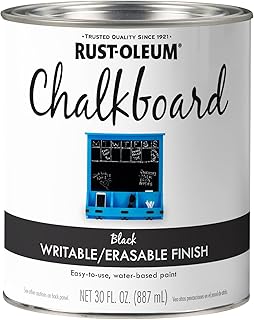
Rust-Oleum 206540 Chalkboard Brush-On Paint, 30 oz, Black

VEVOR Indoor Jungle Gym for Toddlers, 7-in-1 Climbing Playset with Carbo…
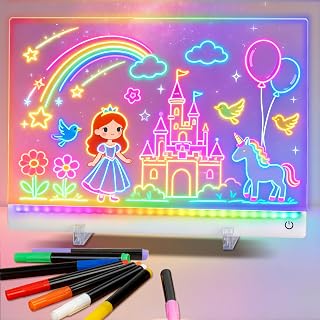
Rechargeable Led Drawing Board for Kids, 11.8*7.9″ Dry Erase Board, 4 Mo…
10. Reflective Surfaces for Depth

Adding reflective surfaces in a small kids’ bedroom creates an illusion of more space while adding a fun element.
Mirrors, shiny decor, and glossy furniture can bounce light around the room, making it feel larger and more open. These surfaces also introduce a modern and playful vibe to the decor.
Consider these reflective surface ideas:
– Use mirrors as playful wall art in fun shapes.
– Choose furniture with mirrored accents to reflect vibrant colors.
– Ensure safety with shatterproof mirrors designed for kids.
This strategic use of reflective surfaces not only enhances the room’s depth but also creates an exciting atmosphere.
Reflective Surfaces for Depth
Editor’s Choice

little dove Extra Wide Soft Toddler Couch Fold Out, Comfy Toddler Chair,…

DomeStar Iridecent Fake Ice, 150PCS Sparkling Vase Fillers Fake Diamonds…

AAZZKANG Wall Mirror with Wood Framed Rustic Mirrors for Wall Rectangle …
Conclusion
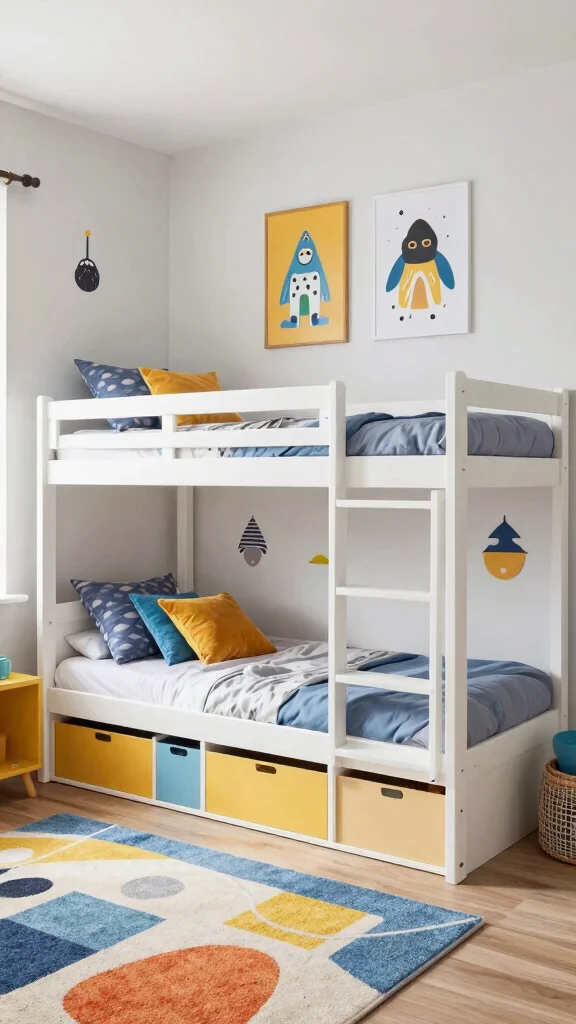
Transforming a small kids bedroom into a fun and functional space is all about creativity and thoughtful design.
By incorporating space-saving furniture and vibrant decor elements, you can maximize space while supporting your child’s imagination. Embrace these ideas to create a joyful environment where dreams are born and adventures await!
Note: We aim to provide accurate product links, but some may occasionally expire or become unavailable. If this happens, please search directly on Amazon for the product or a suitable alternative.
This post contains Amazon affiliate links, meaning we may earn a small commission if you purchase through our links, at no extra cost to you.
Frequently Asked Questions
What are some space-saving furniture ideas for a small kids bedroom?
For space-saving furniture that truly fits a small kids bedroom, start with vertical solutions and built-in storage. A loft bed or bunk bed with a desk or storage underneath frees precious floor space for play. Add playful storage solutions like labeled bins, cube organizers, and wall-mounted shelves to keep everything within reach but tidy. Choose multifunctional bedroom design pieces, such as a bed with drawers or a compact fold-down desk, so one piece serves several needs. Finish with a small chair, a slim study nook, and soft textiles to keep the room cozy.
How can color and wall art enhance a small kids bedroom without making it feel cluttered?
Colorful wall art, when used thoughtfully, can energize a small space without overwhelming it. Stick to a cohesive kids bedroom decor palette of two to three shades and use colorful wall art as accent points. Try wall decals, a bold accent wall, or vertical patterns to add interest without crowding. Keep furniture simple and let textiles, rugs, and cushions carry the fun. This makes the small space feel intentional and inviting.
What are practical ways to maximize floor space and keep the room organized?
Maximize floor space with space-saving furniture and playful storage solutions. Use under-bed drawers or a storage bed, wall-mounted shelves, and a slim bookcase anchored to the wall. Choose labeled bins and rolling carts that you can tuck away when not in use. Create zones—study, play, and sleep—with a lightweight divider or rug, so the room feels organized and functional.
How can you design a multifunctional space that grows with the child?
Aim for multifunctional bedroom design that adapts as your child grows. Pick adjustable or modular pieces: a desk that extends as homework increases, a bed with built-in storage, and shelving that reconfigures for growing needs. Use a neutral base and add playful color through colorful wall art or textiles so the room can evolve without a full redo. This keeps the small kids bedroom relevant for years to come.
Any budget-friendly tips for creating a small kids bedroom that feels bigger?
Yes—great design doesn’t have to cost a fortune. Refinish or upcycle existing furniture, shop secondhand for sturdy space-saving furniture, and repaint walls in light, airy tones to open up the space. Use mirrors strategically to reflect light, and keep kids bedroom decor simple with a few colorful accents from colorful wall art. Finally, invest in key storage pieces and plan layouts to avoid clutter, so the room instantly feels bigger.
Related Topics
small kids bedroom
space-saving furniture
kids bedroom decor
colorful wall art
playful storage solutions
multifunctional design
compact living
creative organization
budget friendly
easy updates
themed decor
child-friendly design