
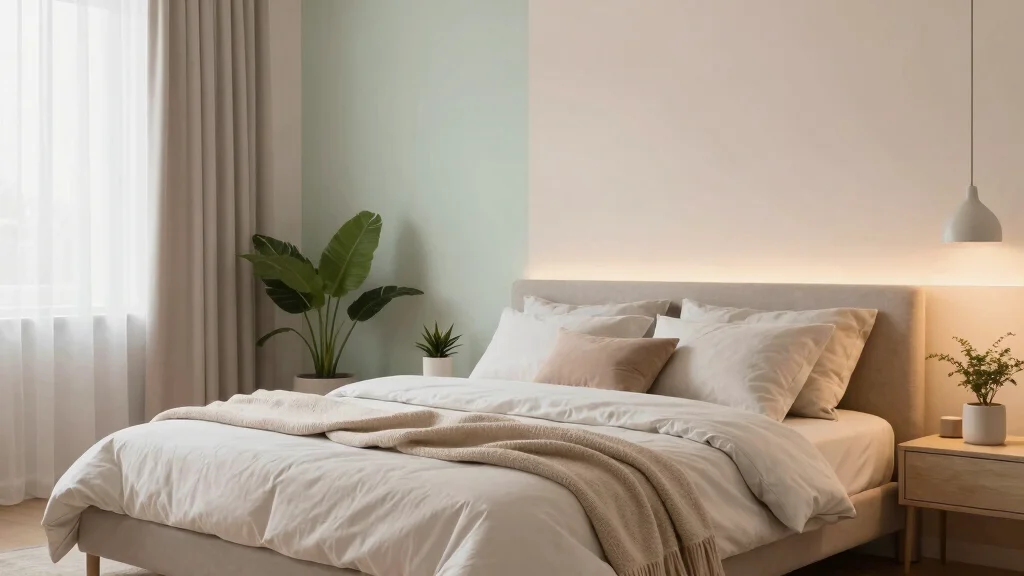
Creating a relaxing bedroom space is essential for unwinding after a long day. This post dives into the world of color, as I believe that the hues surrounding you can significantly impact your mood. If you’re searching for that peaceful oasis in your home, this guide is just for you. I’ve gathered seven calming color palettes that evoke tranquility and comfort, perfect for creating a serene bedroom atmosphere.
Whether you love minimalist designs or prefer a cozy, inviting vibe, the right shades can help you achieve that feel. You’ll discover how soft blues, gentle greens, and warm beiges can transform your space into a soothing retreat. By the end of this post, you’ll have a clear idea of which relaxing bedroom colors can help you unwind and foster a restful environment.
In this article, you’ll find a selection of seven soothing paint colors, each with its unique qualities. I’ll share design tips and ideas on how to incorporate these calming hues into your bedroom decor. So, let’s dive into the world of peaceful color palettes and start your journey to a more tranquil bedroom!
Key Takeaways
– Understanding Color Psychology: Different colors affect your mood and emotions, making it crucial to choose the right tones for relaxation.
– Color Combinations Matter: Pairing soothing hues creates harmonious bedroom color schemes that enhance the calming effect.
– Practical Applications: Learn how to integrate each color into your decor with simple design tips and tricks to achieve a cohesive look.
– Variety of Options: Explore diverse shades from soft blues to warm beiges that cater to different aesthetic preferences while promoting tranquility.
– Emotional Benefits: Implementing these colors can lead to improved sleep quality and overall well-being, making your bedroom a true sanctuary.
Recommended Products

Prewash fabric before painting to remove sizing. Soft Fabric Paints are permanent machine washable Item Package Weight: 3.2 ounces
1. Soft Blue: Embracing Calmness
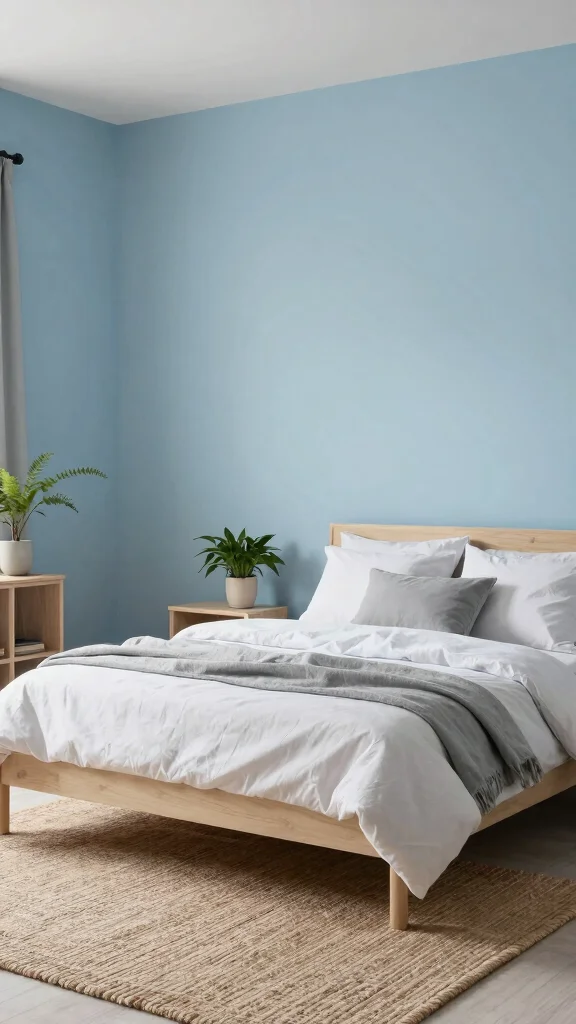
Soft blue is a hue that evokes tranquility, reminiscent of a serene sky or a gentle sea. This color brings a sense of calmness to your bedroom, creating a peaceful environment that’s essential for relaxation. Pairing soft blue walls with white or light gray furnishings enhances its soothing effect, while adding elements like light wood frames or plush textiles deepens the tranquil atmosphere.
To implement this calming palette, consider using budget-friendly options like paint or affordable linens. Incorporating natural materials, such as a jute rug or wicker baskets, can balance the cool tones with warmth. This combination aligns with current design trends that favor wellness and serenity in living spaces.
Consider these ideas to make the most of soft blue:
– Pair soft blue walls with white or light gray bedding.
– Install light wood shelving to enhance the natural vibe.
– Use soft textures like cotton or linen for added comfort.
– Incorporate deeper blue accents in pillows or artwork for depth.
By embracing soft blue, you create a sanctuary that invites relaxation, enhanced further by the interplay of textures and materials.
Fun fact: among relaxing bedroom colors, soft blue can lower resting heart rate by up to 8–12 bpm, helping you unwind faster at night. Pro tip: pair soft blue walls with white or light gray furniture to boost serenity and cozy textures.
Recommended Products

Soft & Pre-Washed Comfort – Crafted from 100% polyester, this queen comforter set is pre-washed for extra softness, offering a cozy, skin-friendly touch perfect for year-round use.

Floral Design: Coquette style botanical flowers pattern that adds a touch of nature and freshness to your bedroom or dorm room decor; ideal for cottage core aesthetics

Certified Safe Fabric: This queen size comforter set is certified by OEKO-TEX Standard 100, ensuring it meets high safety standards and is free from harmful substances; made from soft 100% microfiber, the interior is filled with premium 240 GSM 100% Polyester, providing a cloud-like sleeping experience suitable for all seasons
Soft Blue: Embracing Calmness
Editor’s Choice

Apple Barrel Essentials Acrylic Paint Set, 12, 24 Fl Oz (Pack of 1)


CozyLux Queen Comforter Set Light Grey, 3 Pieces Lightweight Comforters …
SAFAVIEH Area Rug 8×10 – Natural Fiber Collection – Large – Natural Brow…
2. Gentle Green: Nature’s Embrace

Gentle green reflects the soothing essence of nature, promoting a sense of harmony and freshness in your bedroom. This color can transport you outdoors, making it an ideal choice for a rejuvenating space. Shades like mint or sage pair beautifully with natural wood tones and neutral fabrics, creating a serene atmosphere that feels both refreshing and inviting.
To bring this color into your home, consider painting an accent wall or using it throughout the room for a cohesive look. Incorporating indoor plants can amplify the green theme while also improving air quality. Budget-friendly options like linen bedding in earthy tones can tie everything together beautifully.
Here are some ways to enhance your gentle green theme:
– Use green as an accent wall with white furnishings for contrast.
– Incorporate indoor plants to boost freshness and air quality.
– Layer textures with linen or cotton in bedding for comfort.
Gentle green fosters relaxation, making it a perfect choice for unwinding after a busy day.
Recommended Products

Unframed Prints: Watercolor wall art prints - (Set of 6) - Unframed - 8x10 inches.

Neutral Wall Art Size :12x16in(30x40cm), only contains canvas poster, unframed

Unframed Prints: Watercolor wall art prints - (Set of 3) - Unframed - 12x16 inches.
Gentle Green: Nature’s Embrace
Editor’s Choice

CREVENT Farmhouse Boho Knitted Throw Blanket for Couch Sofa Chair Bed Ho…

Verinatural Olive Trees Artificial Indoor 6FT – Realistic Fake Plants wi…

EVOLVE Signature Collection Luxury Interior Paint & Primer, Flat Sheen (…
3. Soft Lavender: A Touch of Serenity
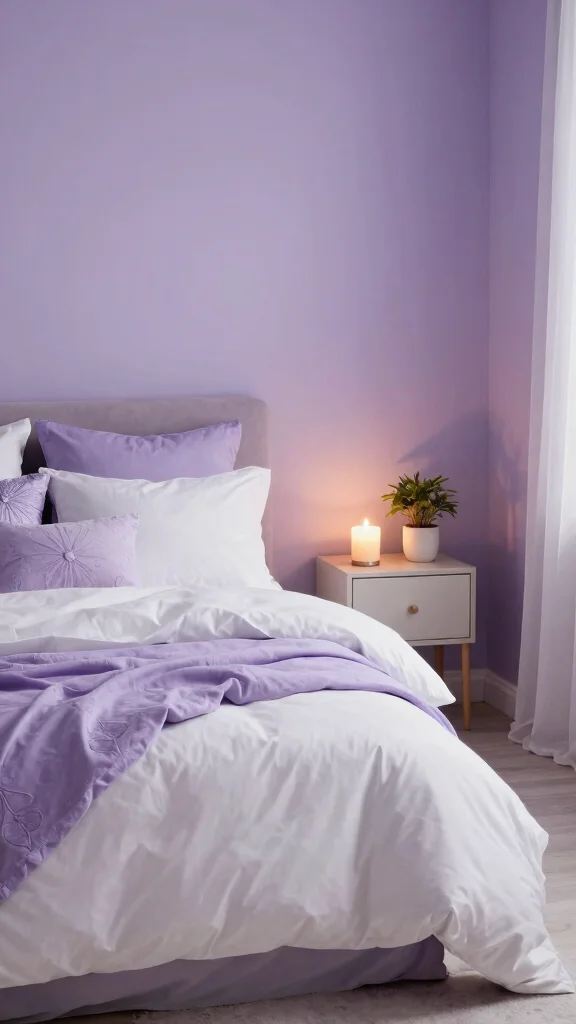
Soft lavender radiates a gentle serenity, making it a wonderful choice for those seeking a calming bedroom environment. This delicate shade encourages relaxation, helping to alleviate stress after long days. You can introduce lavender through wall paint, bedding, or decor, pairing it with crisp whites or deeper plum accents for a balanced look.
To create a cozy atmosphere, consider mixing lavender bedding with soft gray patterns. Incorporating lavender into decorative pillows or art adds a personal touch while soft lighting will enhance the peaceful vibe. Budget-friendly options like DIY wall art can also bring this color into your space.
Explore these design tips to feature soft lavender:
– Mix lavender bedding with white and gray accents for lightness.
– Use lavender in decorative pillows and throw blankets for comfort.
– Install soft lighting to create a cozy atmosphere at night.
With its calming properties, soft lavender helps cultivate mindfulness, ensuring restful nights ahead.
Fun fact: 60% of people report sleep smoother when lavender hues dominate their bedroom. Embrace relaxing bedroom colors with soft lavender, and pair it with crisp white for calm, inviting vibes that truly melt daily stress.
Recommended Products
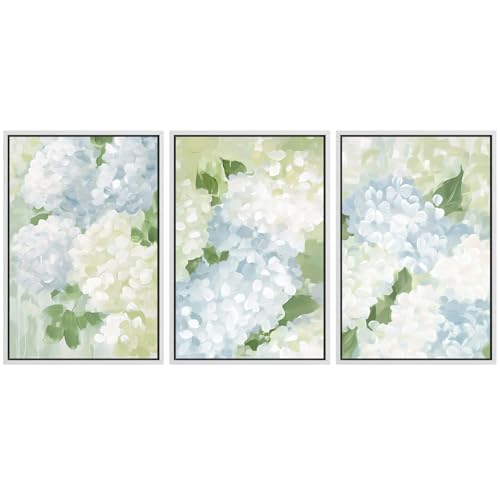
[Premium Quality Materials] High definition modern artwork printed onto industrial grade framed canvas. Totally 3 panels, the size for each panel is 24"x36".


GORGEOUS LIQUID LAMPS- ENHANCE THE AMBIENCE OF ANY ROOM: Turn the lights off and be amazed at the magical qualities of these lamps. The light illuminates the beautiful colors of the wax in the lamps, and as they heat up, the wax floats to the top and then slowly sinks back down. The wax keeps rising and falling, changing shades of color, creating mesmerizing shapes, and turning any room into a magical wonderland.
🛏️ Cozy Bedroom Makeover Planner
Transform your space with our planner and create a serene sanctuary for ultimate relaxation and mindfulness.
Key Trade-offs & Our Top Pick
Option 1: Soft Blue
– Pros:
– Creates an atmosphere of calmness and tranquility.
– Easy to pair with neutral and natural decor elements.
– Cons:
– Can feel cold in poorly lit rooms.
– May not resonate with everyone’s personal style.
– Best for: Spaces where you want to promote relaxation, such as bedrooms or meditation areas.
Option 2: Gentle Green
– Pros:
– Evokes feelings of nature and renewal.
– Suitable for both bright and muted lighting.
– Cons:
– Some shades can appear too yellowish if overused.
– May clash with warmer color accents.
– Best for: Anyone looking to bring a touch of nature indoors without overwhelming their space.
Option 3: Soft Lavender
– Pros:
– Provides a soothing and serene vibe.
– Pairs well with whites and creams for a soft look.
– Cons:
– Might not work well in larger rooms without proper accents.
– Some may find it too feminine for their taste.
– Best for: Small to medium bedrooms where you want a light, airy feel that promotes relaxation.
Option 4: Warm Beige
– Pros:
– Offers a neutral and cozy atmosphere.
– Highly versatile and easy to decorate around.
– Cons:
– Can feel dull or boring if not accentuated with vibrant decor.
– May wash out in overly bright spaces.
– Best for: Those who prefer a classic, timeless look in their bedroom.
Option 5: Dusty Rose
– Pros:
– Adds warmth without being overpowering.
– Creates a romantic, cozy ambiance.
– Cons:
– Might be too soft for those who prefer bold colors.
– Requires careful pairing with other colors to avoid clashing.
– Best for: Couples looking to create a warm and inviting retreat.
Expert Recommendation:
Best Overall: Gentle Green
Gentle Green stands out as the top choice for most people due to its refreshing nature-inspired vibe. It creates a calm and peaceful environment, making it perfect for restful sleep. Plus, it’s versatile enough to blend with different bedroom color schemes and decor styles, ensuring long-term satisfaction.
Why We Picked This:
While Gentle Green is our top pick, those who love cooler tones might prefer Soft Blue for its calming qualities. If you lean towards warmer hues, Warm Beige offers a neutral comfort that suits various styles. Ultimately, your choice should reflect your personal taste and the atmosphere you want to create in your bedroom.
Recommended Products
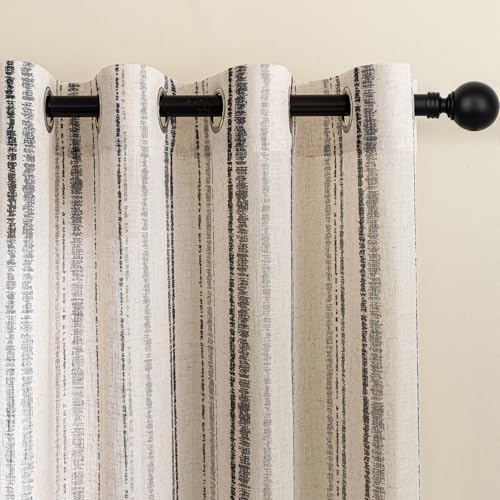
Complete Set: This set includes two curtain panels, each sized at 52"W x 84"L, These Grey Striped Curtains adds a modern, sophisticated touch, instantly creating an elegant ambiance while complementing any decor style.

BLACKOUT BENEFITS: Enjoy optimal sleep with our Renzo window treatments. The off-white liner affixed to the back of the panels effectively blocks out most light, creating a darkened environment that promotes better sleep. In addition to their blackout benefits, these drapes also offer energy-saving and noise reducing properties.

3-Way Hanging: 1) Trending Modern Back Tab Look - Features hidden back loops on the curtain rod, concealing the hardware. 2) Classic Pleated Look (not pinch pleat) - Achieved with the 3-inch rod pocket of the curtain header. 3) Simple Casual Clips Look - Uses clips directly on the curtain header for a relaxed style. 2 LINEN PANELS in 1 package. Each panel measures 52 inch wide by 84 inch long
Soft Lavender: A Touch of Serenity
Editor’s Choice

CozyLux Full Size Comforter Sets Lavender, 7 Pieces Pintuck Bed in A Bag…

Flower Shaped Pillow, Cute Decorative Throw Pillow with Soft Artificial …

AOOVOO Lavender Scented Candles for Women – Aromatherapy Candle with Cry…
4. Warm Beige: Neutral Comfort
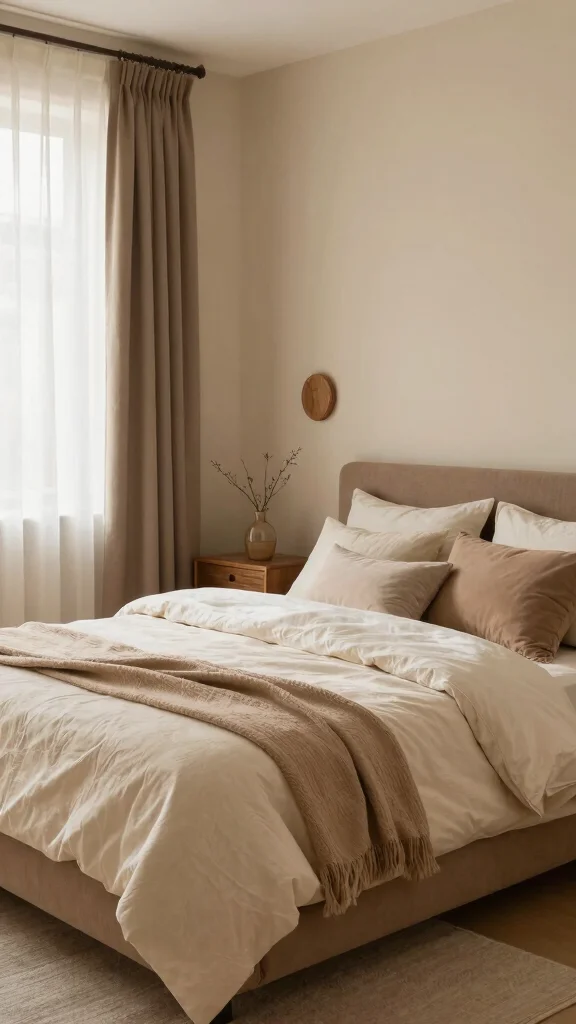
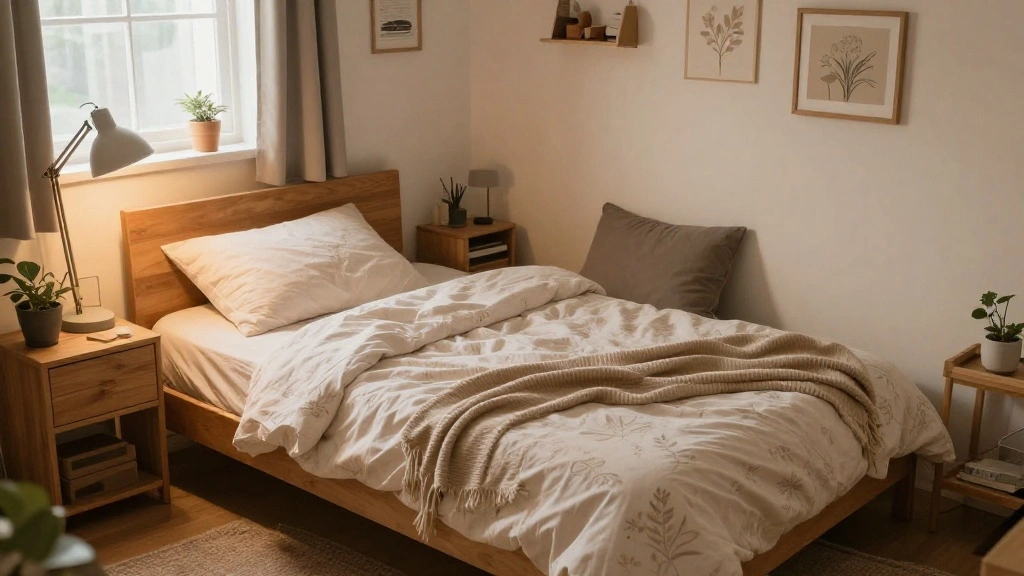
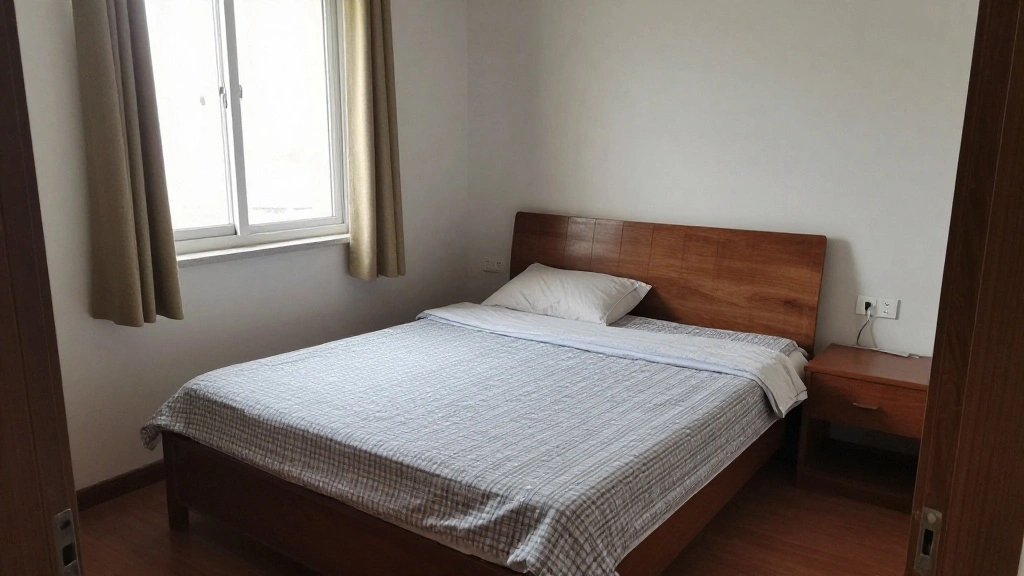
Warm beige offers a cozy and nurturing backdrop for your bedroom, creating a space that feels inviting and peaceful. This versatile neutral works well with creamy whites and soft browns, crafting an atmosphere that encourages relaxation. By using warm beige on your walls, you can create a tranquil setting that invites you to unwind.
To enhance the cozy feel, layer different textures with plush throws and soft pillows. Combining warm beige with natural wood tones will accentuate the inviting atmosphere. Mirrors can also be used strategically to reflect light and make the space feel larger and brighter.
Here are some helpful hints to elevate warm beige decor:
– Layer textures like throws and pillows to add depth.
– Combine with warm wood furnishings for a cozy vibe.
– Use mirrors to enhance light and space perception.
A warm beige bedroom surrounds you with comfort, creating a peaceful retreat at the end of the day.
Recommended Products

VERSATILE PAINT - These artist-quality acrylic paints are rich and creamy and are perfect for basecoating, stenciling, and more. This color comes in a convenient 2 oz size

CONVENIENT SIZE - This Apple Barrel Acrylic Paint comes in a versatile 2 oz size that is great for basecoating, stenciling, and so much more

Includes 30 featured and newest released color card. Sprayed on color to see our colors in your homes lighting for more accurate color choices.
You might also like
Warm Beige: Neutral Comfort
Editor’s Choice

Karl home Accent Chair Mid-Century Modern Chair with Pillow Linen Fabric…

MIULEE Pack of 2 Beige Decorative Pillow Covers 18×18 Inch Soft Chenille…

Bedsure GentleSoft Fleece Throw Blanket for Couch Grey – Lightweight Plu…
5. Soft Coral: A Warm Embrace
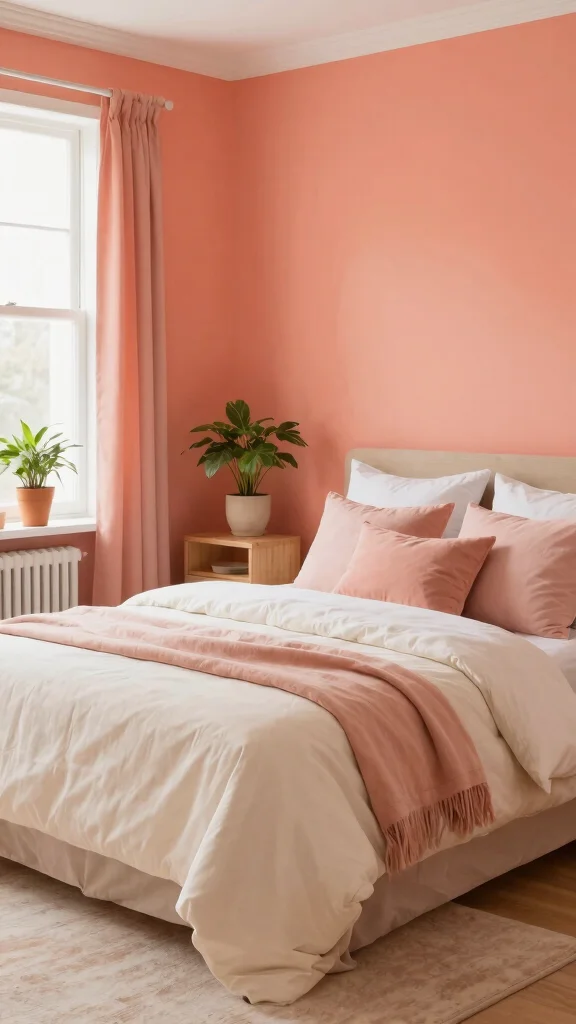
Soft coral infuses your bedroom with warmth and a vibrant yet calming presence. This uplifting hue creates a cozy atmosphere that brightens your mood without overwhelming your senses. To incorporate soft coral, consider using it on an accent wall or in bedding and accessories, pairing it with warm neutrals like taupe or cream for balance.
Design ideas include using coral in wall art or cushions for a pop of color. You can also add blush or peach accents that complement the coral while maintaining a soft palette. Grounding the look with natural materials and light woods ensures it feels harmonious.
Try these design tips to incorporate soft coral:
– Use coral in wall art or cushions for subtle color.
– Add blush accents that complement the coral hue.
– Incorporate light woods to ground the vibrant color scheme.
Soft coral creates an inviting atmosphere, perfect for a cheerful yet relaxing bedroom.
Soft coral is a calming, warm hug for your senses. Pair it with taupe or cream to balance, making it one of the most practical relaxing bedroom colors that lift mood without shouting. Start with an accent wall or cozy bedding.
Recommended Products

Floral Design: Coquette style botanical flowers pattern that adds a touch of nature and freshness to your bedroom or dorm room decor; ideal for cottage core aesthetics
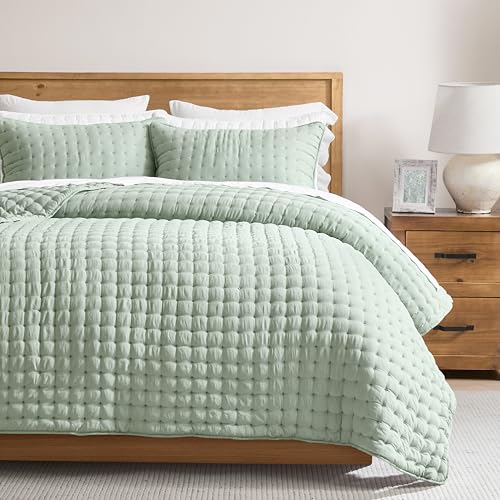
Color: Mist Sage—simple, elegant, and easy to match. Color may vary slightly due to lighting or screen settings.

Extra Soft: This prewashed comforter is delightfully soft and gentle on the skin. Its cotton-like texture delivers a supremely cozy slumber.
📹 Related Video: BEDROOM LIVING CORAL INTERIOR DESIGN – How To Decorate Your Bedroom – COLOR ME COURTNEY APARTMENT
Soft Coral: A Warm Embrace
Editor’s Choice

Genius Decor Teal Coral Poppy Canvas Wall Art – Modern Watercolor Flor…

OTOSTAR Corduroy Decorative Throw Pillow Covers 12×20 Inch Super Soft Bo…

LEAONME Coastal Quilt Set Full/Queen Size – Lightweight Microfiber Rever…
6. Tranquil Gray: Understated Elegance
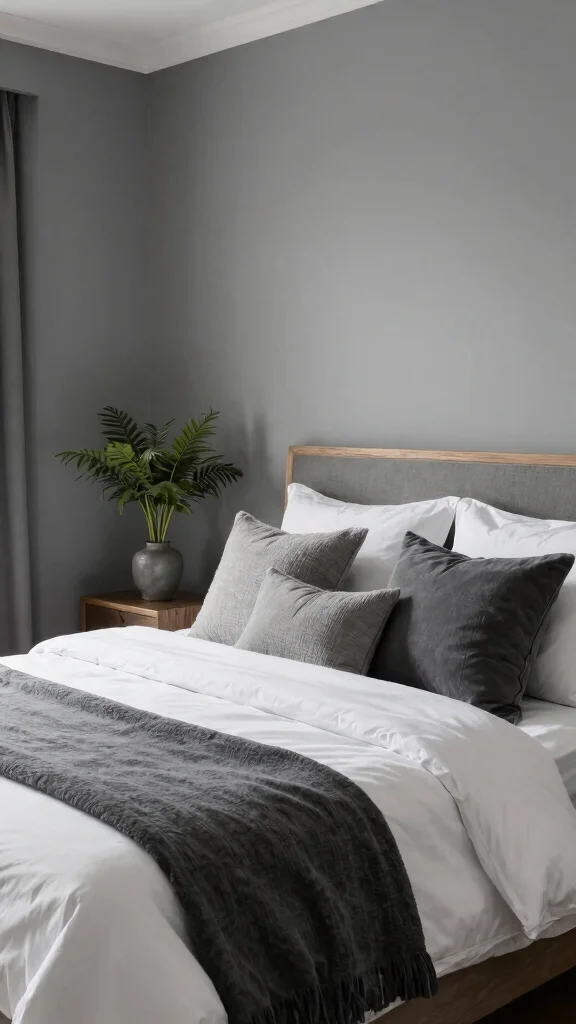
Tranquil gray is a sophisticated color choice that exudes elegance while fostering relaxation. This versatile shade pairs beautifully with a variety of colors, allowing you to create a stylish and peaceful bedroom atmosphere. Opting for soft dove gray on the walls, complemented by white linens and darker gray accents, ensures a cohesive and calm look.
To enhance your design, incorporate cozy textures like knitted blankets or fluffy rugs that add warmth to the muted color palette. Use gray as a backdrop for colorful artwork or plants, providing a striking contrast. Layered lighting options with lamps can soften the ambiance, creating a serene environment.
Consider these tips for a tranquil gray space:
– Incorporate knitted blankets or fluffy rugs for warmth.
– Use gray as a backdrop for colorful artwork to create interest.
– Add layered lighting to soften the overall ambiance.
Tranquil gray promotes calm and balance, making it perfect for a refined and peaceful retreat.
Recommended Products

National Geographic World Wall Map - Executive is expertly researched and designed, National Geographic's World Wall Map is the authoritative map of the world by which other reference maps are measured.

Unframed Prints: Watercolor wall art prints - (Set of 3) - Unframed - 12x16 inches.

Unframed Prints: Watercolor wall art prints - (Set of 3) - Unframed - 12x16 inches.
Tranquil Gray: Understated Elegance
Editor’s Choice

L’AGRATY Chunky Knit Blanket Throw – Soft Chunky Throw Blanket 50”x60”…

Bedsure Throw Blankets for Couch – Textured Chunky Knit Woven Chenille B…

clootess Chunky Knit Blanket Chenille Throw – Warm Soft Cozy for Sofa Be…

Amélie Home Chunky Knit Throw Blanket, Dual-Sided Soft Chenille Breathab…

Chunky Knit Blanket Throw 40″×40″, Hand Knitted Warm Chenille Throw Blan…
You Might Also Like
7. Dusty Rose: A Romantic Retreat

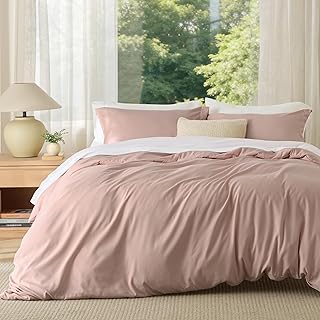
Dusty rose embodies romance and nostalgia while providing a soothing choice for your bedroom. This muted pink brings warmth and calm, creating an inviting space perfect for relaxation. You can incorporate dusty rose through wall paint, bedding, or decorative elements, pairing it with rich neutrals like taupe or ivory for a sophisticated touch.
Consider using dusty rose in linens and accent pieces, combining it with soft whites to maintain a clean look. Adding natural textures like rattan or wood will enhance the organic feel of the space. Gold or brass accents can introduce a hint of luxury without overwhelming the overall design.
Here are some design suggestions for dusty rose:
– Use dusty rose in linens and accent pieces for a cohesive look.
– Incorporate natural textures like wood for an organic feel.
– Add gold or brass accents for a touch of elegance.
The gentle warmth of dusty rose creates a comforting atmosphere, inviting you to unwind in your beautiful sanctuary.

Dusty Rose: A Romantic Retreat
Editor’s Choice
Bedsure Duvet Cover Queen Size – Soft Double Brushed Bedding Set for Kid…

JWH Stereo Flower Throw Pillow Covers Aesthetic Decorative Floral Accent…

PRESTIGE Paints Interior Paint and Primer In One, 1-Gallon, Semi-Gloss, …
Conclusion
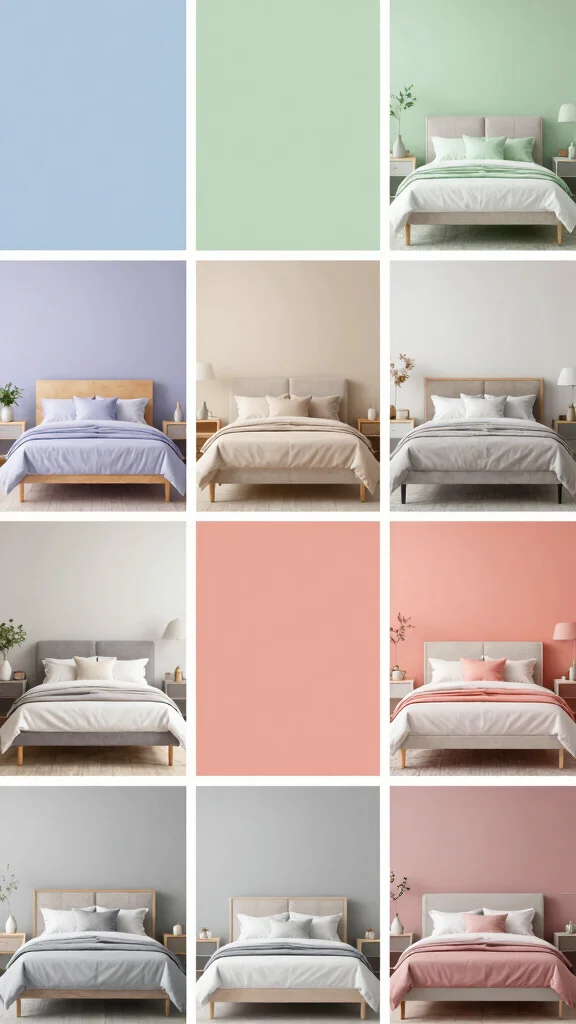
Choosing the right color for your bedroom can significantly influence your mood and relaxation levels. Each of these seven relaxing bedroom colors brings its unique calmness and charm, allowing you to create a sanctuary tailored to your personal style.
As you consider your options, think about how these colors resonate with you and what kind of atmosphere you want to cultivate. From peaceful pastels to warm neutrals, let your bedroom reflect a space where you can unwind, rejuvenate, and enjoy restful nights.
Note: We aim to provide accurate product links, but some may occasionally expire or become unavailable. If this happens, please search directly on Amazon for the product or a suitable alternative.
This post contains Amazon affiliate links, meaning we may earn a small commission if you purchase through our links, at no extra cost to you.
Recommended Products

PAIR SOLD: 2 panels in package. Each panel measures 52"W x 84"L| Pair measures 104"W x 84"L. Thread trimmed and wrinkle free, panel is constructed with 8 anti rust grommets which fit well up to 1 1/2 inches curtain rods
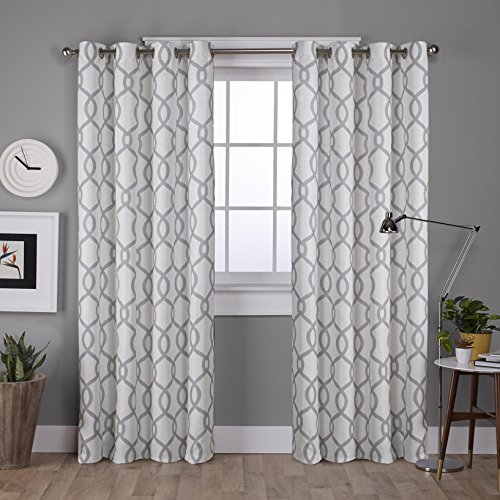
TRELLIS DESIGN: The Exclusive Home Kochi curtain panels feature an all-over trellis design on a textured, linen-blend fabric with light-filtering opacity. These drapes offer a stylish, modern look for windows in any room of your home.

SOFT & PLUSH COMFORT: Ultra-soft fleece bathrobe for men. Lightweight, cozy, and absorbent, perfect for post-shower, lounging at home, or relaxing after a long day
Frequently Asked Questions
What colors are best for a relaxing bedroom?
For relaxing bedroom colors, start with soft blues, gentle greens, and warm neutrals. These soothing paint colors help the mind unwind and the body relax. Build a cohesive bedroom color schemes by choosing a calm base and layering with muted accents. Practical steps: swatch large patches on your wall, observe how they read in natural daylight and under evening lamps, and test with your bedding and curtains to ensure the palette stays tranquil.
Pair the look with natural textures like linen or wool and keep furniture simple to support a mindful, relaxing vibe.
How can I design a calming bedroom using color without it feeling dull?
Aim for a peaceful color palette of 2-4 tones; an analogous or monochromatic bedroom color schemes keeps harmony. Use calming bedroom decor—soft textiles, minimal clutter, and natural materials. Practical steps: start with a neutral base, add one or two muted accent colors, test them on fabrics and decor, check how they look in daylight and lamp light, and use warm lighting to prevent the space from feeling cold.
Keep the look cohesive and mindful, focusing on the peaceful color palettes that support sleep and relaxation.
Should I use a bold accent wall in a relaxing bedroom?
A feature wall can work if you keep saturation low and align with a peaceful color palette and tranquil bedroom designs. Choose a shade a few steps deeper or lighter than the base, or use a muted tone with texture (plaster, fabric wallpaper). Keep other walls soft and simple to avoid visual noise. Practical tips: test a large panel, place it behind the bed or in a quiet corner, and pair with calm bedding and ambient lighting to maintain relaxing bedroom colors throughout the room.
How does lighting interact with relaxing colors to affect sleep?
Lighting can make or break the color story. Warm, soft lighting (2700-3000K) makes cool base colors feel cozy; layered lighting (ambient, task, and accent) helps you control mood. Avoid bright, cool LED right before bed. Tips: use dimmers, choose bulbs labeled soft white or warm white, and test how your chosen relaxing bedroom colors read under different lights. Pair with blackout curtains for nighttime quieting and a calm atmosphere.
How can I test and commit to a color plan for relaxing bedroom colors?
Start with small steps: paint large test swatches on the wall in 2-3 spots to see how they read in morning and night; observe for a week and gather fabric samples to verify cohesion with bedroom color schemes and peaceful color palettes. Create a mood board, or use quick DIY boards with fabric, art, and paint chips. When you’re happy with the look, paint the whole room and choose finishes that keep the space soft and inviting.
Related Topics
relaxing bedroom colors
bedroom color schemes
soothing paint colors
calming bedroom decor
peaceful color palettes
tranquil bedroom designs
mindful decor
easy home updates
stress relief
color psychology
bedroom makeover
beginner friendly