
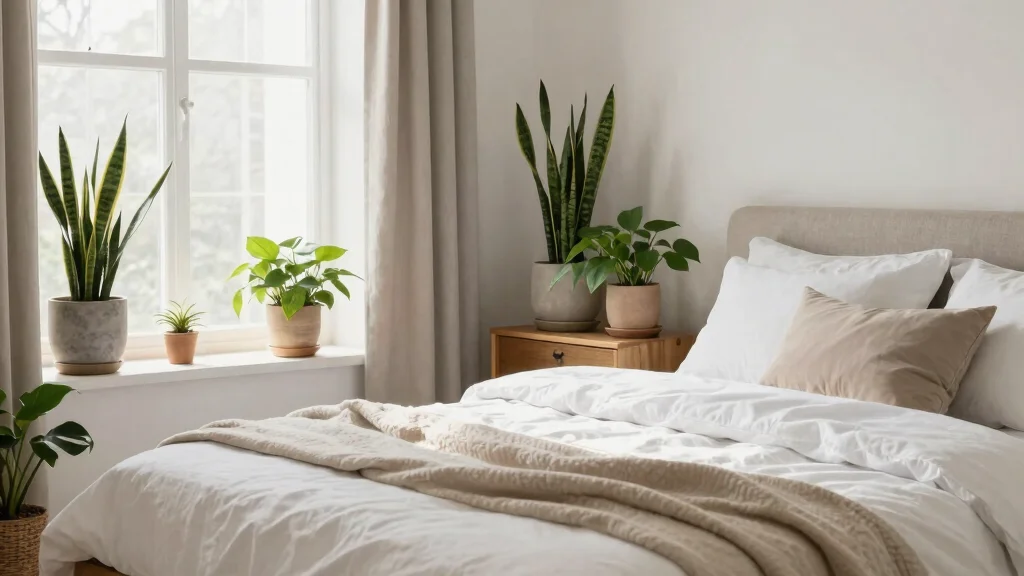
If you’ve been scrolling through social media or browsing home decor blogs, you might find yourself craving that perfect touch of greenery in your bedroom. Plants not only add beauty but also create a calming atmosphere. I created this post to help you discover the best plants for your bedroom that are low-maintenance and air-purifying.
If you’re someone who loves home decor but struggles to keep plants alive, this one’s for you. You want greenery that fits your lifestyle and enhances your living space without demanding too much time or effort. That’s why I pulled together a list of the 8 best low-maintenance plants for your bedroom. These options are easy-care houseplants that not only look great but also clean the air you breathe while you sleep.
Get ready to explore options like the resilient Snake Plant and the charming Pothos. By the end of this guide, you’ll have practical insights into how these indoor plants can beautify your space while requiring minimal care. Let’s dive in and find the perfect plant companions for your restful retreat!
Key Takeaways
– Discover a variety of low-maintenance plants perfect for bedrooms, enhancing both decor and air quality.
– Learn about the unique benefits of each plant, such as air-purifying properties and aesthetic appeal.
– Find practical tips for caring for these easy-care houseplants, ensuring they thrive in your space.
– Explore different styles and decor ideas to incorporate these plants effectively into your bedroom design.
– Understand the factors to consider when selecting indoor plants, including light levels and maintenance needs.
Recommended Products

HARDY INDOOR PLANT: Sansevieria Laurentii is a drought tolerant, durable, and adaptable houseplant for beginners

Air Purifying Rattlesnake Calathea: Perfect addition to your living room decor, office decor, or garden decor. This live Calathea Rattlesnake plant not only brings color but also acts as an air purifier.

Snake Plant Black Gold is a stunning and easy-to-care for houseplant.
1. Snake Plant (Sansevieria)

The snake plant stands out as a true favorite for low-maintenance bedroom greenery, boasting tall, striking leaves in varying shades of green and yellow.
This plant’s unique vertical growth not only adds visual interest but also brings a sense of tranquility to your space. Its ability to thrive in low light and require minimal watering makes it an excellent choice for those seeking effortless beauty in their homes.
Consider these tips to showcase the snake plant effectively:
– Pair it with a sleek ceramic pot for a modern look.
– Place it on a nightstand or shelf to maximize vertical space.
– Use multiple plants in varying heights for added dimension.
Incorporating a snake plant into your bedroom enhances the overall aesthetic while its sturdy leaves contribute to a calming atmosphere.
❝ Fun fact: Snake Plant can go 2-3 weeks without water and still stay vibrant, a true win for busy bedrooms. It thrives in low light and quietly purifies the air, making it one of the best plants for bedroom decor.
Recommended Products

LIGHT REQUIREMENTS: Thrives in low to bright indirect light conditions, making it versatile for various indoor spaces

LIVE INDOOR PLANTS: Includes 4 easy to grow pothos plants, approximately 8-10 in. tall measured from bottom of pot

LIVE POTHOS PLANT DELIVERY: Each order includes one fully-rooted golden pothos in a 4" pot. Devil's ivy (Epipremnum aureum) is a beautiful, easy to grow house plant.
Snake Plant (Sansevieria)
Editor’s Choice

Houseplant Care Guide: How to Choose, Grow, and Care for Indoor Plants a…


Live Snake Plant, Sansevieria trifasciata Superba, Fully Rooted Indoor H…

8/10/12 Inch Self Watering Pots for Indoor/Outdoor Plants – Large Plasti…
2. Pothos (Epipremnum aureum)
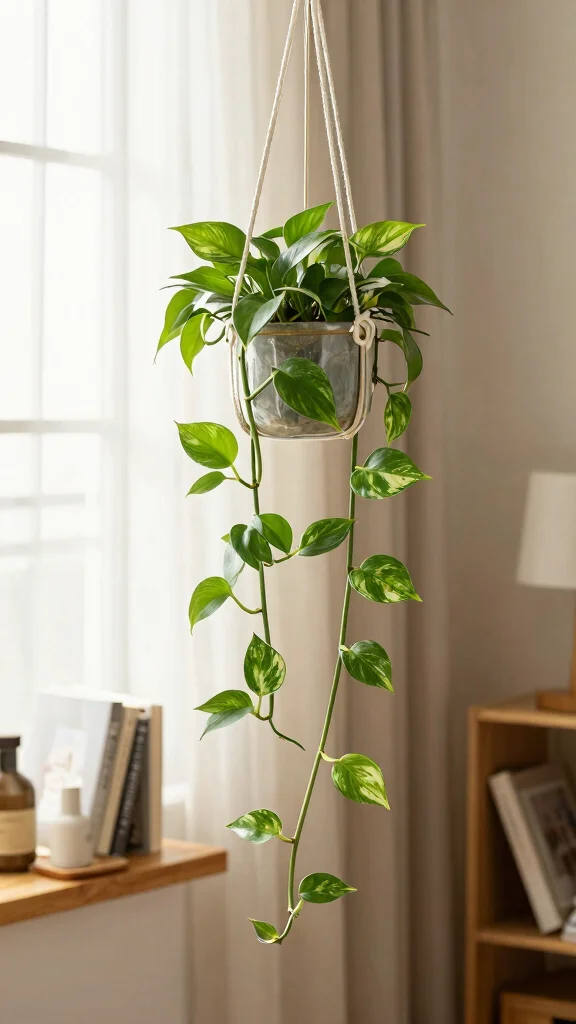
Pothos, affectionately known as devil’s ivy, is a favorite for adding lush greenery with minimal upkeep.
Its heart-shaped leaves, available in vibrant greens and marbled shades, create a stunning visual effect in any bedroom. The plant thrives in indirect sunlight and can elegantly trail from shelves or hang in pots, making it a versatile decor piece.
To make the most of your pothos:
– Trim the vines regularly for fuller growth.
– Rotate the pot weekly for even light exposure.
– Use decorative hangers to showcase its cascading beauty.
With its captivating foliage and air-purifying qualities, pothos effortlessly elevates your bedroom decor while ensuring a fresh environment.
Recommended Products

LIVE INDOOR PLANT: Bring home a beautiful Peace Lily to add a relaxing, calm feel to any space. These houseplants are natural air purifiers that help keep your indoor air fresh and clean. Easily fits tabletop, shelf, living room, office, or bedroom decor

Potted: Comes already potted in a nursery pot with soil and some slow release fertilizer.

All of our listings have very representative pictures of what you would receive.
🛏️ Transform Your Bedroom Today!
Revamp your space effortlessly with our Bedroom Makeover Planner—perfect for creating a cozy retreat with low-maintenance plants.
Pothos (Epipremnum aureum)
Editor’s Choice
FRGROW 4Head Grow Light with Stand for Tall Indoor Plants, Bonsai Tree, …

Melphoe 25Pcs Mini Garden Hand Transplanting Succulent Tools Set, 39.4″ …

Melphoe 2 Pack Self Watering Hanging Planters Indoor Flower Pots, 6.5 In…
3. ZZ Plant (Zamioculcas zamiifolia)
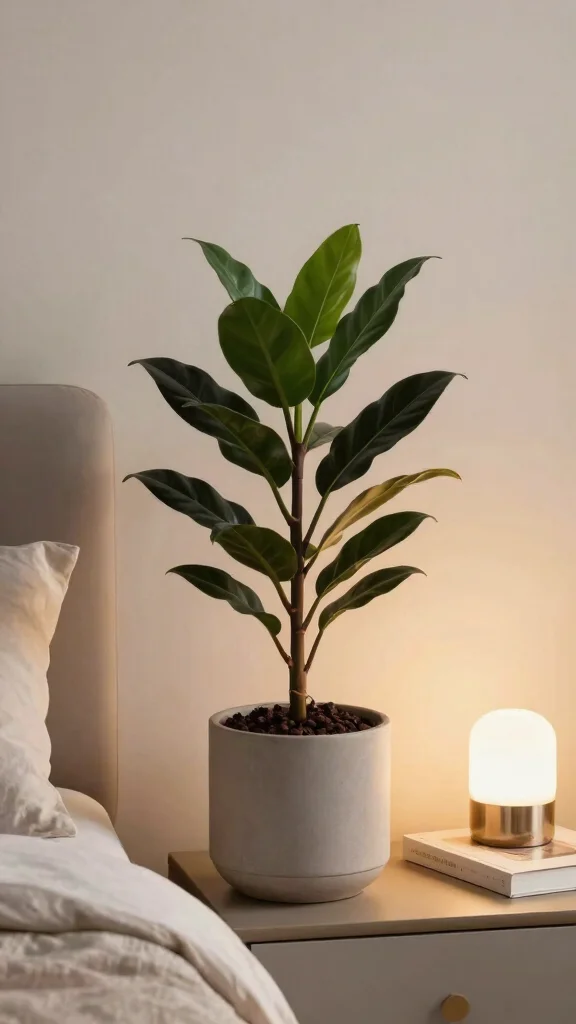
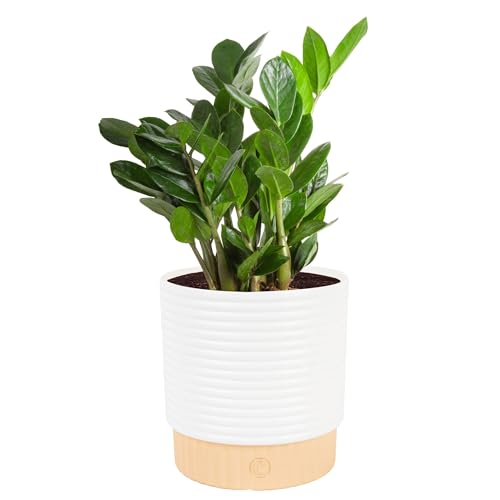
The ZZ plant is a striking addition to bedrooms, celebrated for its glossy, dark green leaves that resemble jade.
Known for its resilience, this plant flourishes even in low light and requires very little water, providing a sophisticated touch to your space. The unique upright growth habit brings a sense of calm and elegance, perfect for creating a serene bedroom atmosphere.
To care for your ZZ plant:
– Allow the soil to dry completely between waterings.
– Use a well-draining mix to promote healthy growth.
– Position it in a decorative pot to enhance its modern aesthetic.
Adding a ZZ plant not only enhances your decor but also fosters a healthier indoor environment.
Among the best plants for bedroom decor, the ZZ Plant brings calm with almost zero fuss. Water only when the soil dries, and it will thrive in soft, low light, perfect for a serene, low-maintenance space.
Recommended Products

LICENSED GREENHOUSE GROWN PLANTS: Have confidence in ordering from a CA Licensed greenhouse succulent and cactus Nursery. Succulents bring a colorful addition to your home with the benefits of minimal watering and low maintenance to fit your busy lifestyle.

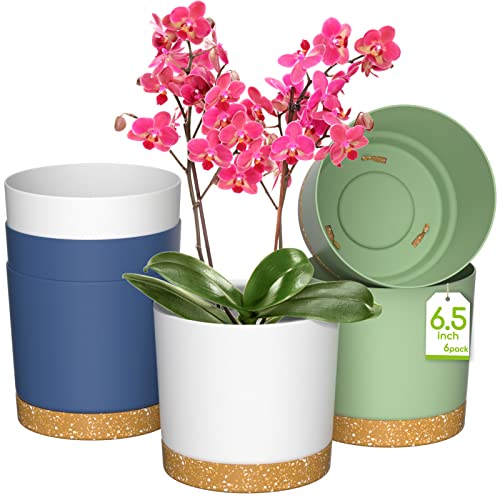
6 Packs Modern Decorative Plastic Plant Pots - Dimension: 6.5in Diameter x 6.1 in Height,plants not included.
📹 Related Video: The “Unkillable” ZZ Plant: Complete Zamioculcas Care Guide
ZZ Plant (Zamioculcas zamiifolia)
Editor’s Choice

Live ZZ Plant – Zamioculcas zamiifolia – ragnaroc Tropical Plant 6-12”…

Aokrean Plant Grow Light, 48 LEDs Full Spectrum Grow Lights for Indoor P…

5.6 Inch Plant Pot – Ceramic Pots for Plants with Drainage Hole and Sauc…
4. Spider Plant (Chlorophytum comosum)
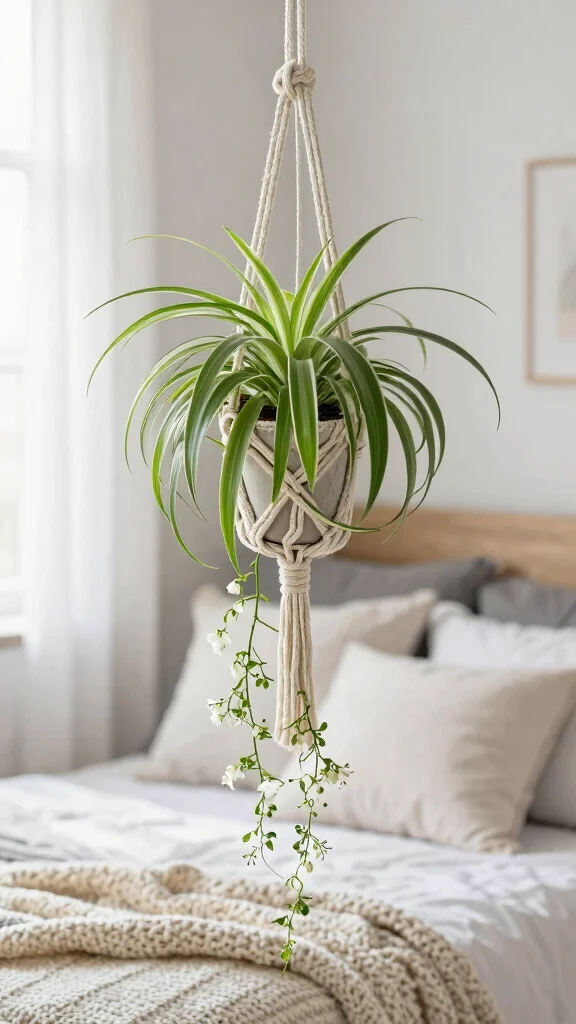
The spider plant is a beloved classic, known for its long, arching leaves and playful baby plantlets that dangle gracefully.
This adaptable plant thrives in various lighting conditions, from bright to partially shaded areas, making it a fantastic choice for any bedroom. It naturally purifies the air, creating a fresh and inviting ambiance.
To nurture your spider plant:
– Water when the top inch of soil feels dry.
– Fertilize in spring and summer for robust growth.
– Hang it in a basket for a whimsical look.
With its cheerful appearance and easy care, the spider plant is a delightful addition to your bedroom sanctuary.
Recommended Products
STYLISH ROOM DECOR: The architectural upright leaves of the live ZZ Plant provide a modern, sleek look that defines minimalist home decor. An excellent, stylish real plant choice for an office desk, plant shelf, or tabletop


TOP DECOR CHOICE: Elevate your home decor or office desk with heart-shaped variegated leaves. This vining plant is a versatile aesthetic greenery piece that looks stunning trailing from a windowsill, bookshelf, mantle, or hanging basket
You might also like

Spider Plant (Chlorophytum comosum)
Editor’s Choice

Cute Body Shaped Planter Fun Resin Plant Pots Indoor with Drainage Hole …

Miracle-Gro Indoor Plant Food for All Plants, Liquid Plant Food for Hous…

Mkono Macrame Plant Hanger Indoor Hanging Planter Basket with Wood Beads…
5. Peace Lily (Spathiphyllum)
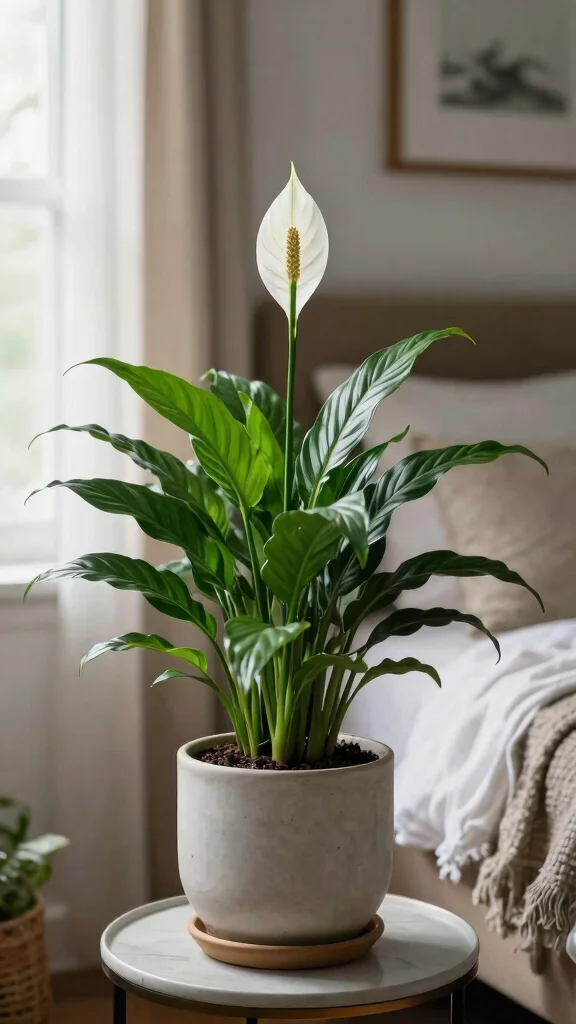
The peace lily is cherished for its elegant white blooms and glossy green foliage, infusing bedrooms with sophistication and serenity.
Thriving in low light and requiring minimal watering, this plant is perfect for anyone looking for effortless beauty. Its remarkable air-purifying abilities create a fresh environment, enhancing your sleep experience.
To cultivate your peace lily:
– Mist the leaves regularly for optimal health.
– Rotate the pot for even growth.
– Use a stylish planter to highlight its beauty.
The peace lily not only elevates your decor but also promotes a tranquil atmosphere in your bedroom.
Fun fact: Peace lilies can filter common bedroom pollutants and bloom in low light, making them a top pick for the best plants for bedroom decor. Water sparingly—just when the soil feels dry—and rotate the pot for even growth to keep leaves glossy.
Recommended Products

LIVE SNAKE PLANTS: Sansevieria Laurentii (mother in law plant) is an easy low-maintenance houseplant

LIVE SNAKE PLANTS: Sansevieria Zeylanica (mother in law plant) is an easy low-maintenance houseplant
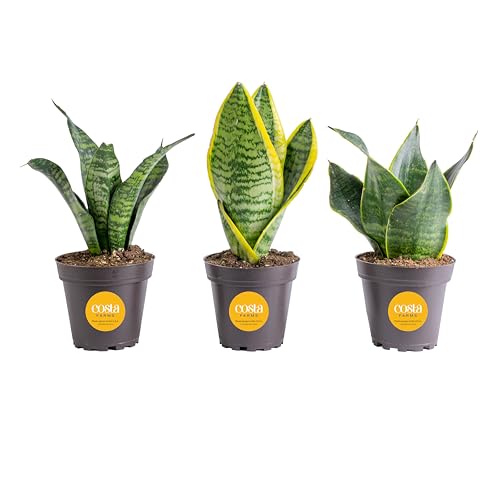
INSTANT HOME STYLING TRIO: Multi pack of three live snake plants takes the guesswork out of interior design by creating an effortless cohesive look across your living room shelves, bedroom nightstands, or home office desks
Peace Lily (Spathiphyllum)
Editor’s Choice
Cute Body Shaped Planter Fun Resin Plant Pots Indoor with Drainage Hole …

Miracle-Gro Organic Plant Food – Use with Indoor or Outdoor Plants, Orga…

Fiskars Plant Mister Spray Bottle for Indoor Plants, Gentle & Fine Water…
6. Rubber Plant (Ficus elastica)
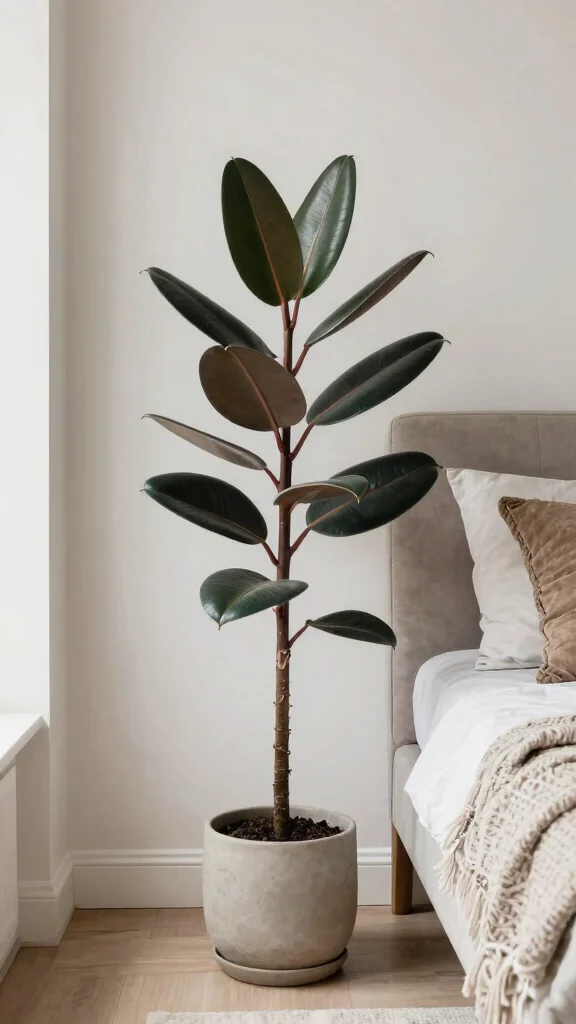
Rubber plants are admired for their large, glossy leaves that range from dark green to burgundy, adding a bold touch to any bedroom.
This hardy plant thrives in various lighting conditions, especially bright, indirect light, and requires minimal care. Its air-purifying properties help cleanse indoor air while making a stylish statement in your space.
To care for your rubber plant:
– Dust the leaves regularly for shine and health.
– Rotate the pot to ensure balanced growth.
– Choose a striking floor pot to showcase its beauty.
Incorporating a rubber plant into your bedroom not only enhances your decor but also contributes positively to your well-being.
Recommended Products

RARE VARIETY: Cebu Blue Pothos features distinctive silver-blue leaves with a metallic sheen, making it a unique and striking addition to any indoor space
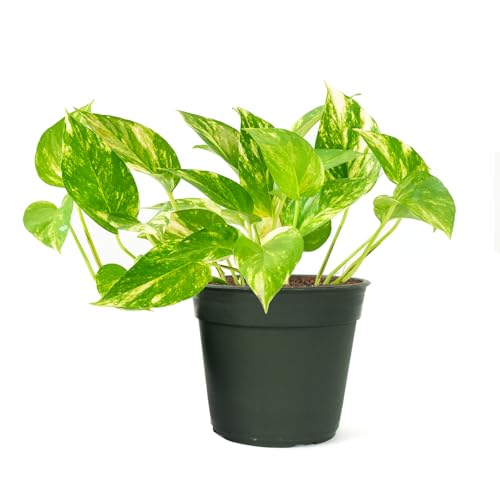
Golden Pothos Live Houseplant with Vibrant Variegated Foliage – This fast-growing vine features heart-shaped green leaves streaked with golden-yellow variegation, adding a lush, tropical look to any indoor space while thriving in a variety of conditions

VERSATILE PLACEMENT: Perfect for hanging baskets, shelves, or climbing structures, this trailing vine plant adds a tropical touch to any indoor space
Rubber Plant (Ficus elastica)
Editor’s Choice

Shop Succulents Ficus Burgundy Rubber Tree, Live Indoor Floor Plant, Tre…

Miracle-Gro Plant Care Leaf Protect and Shine, 4-in-1 Insecticide, Mitic…

Ceramic Modern Glaze Succulent Planter Pot with Drainage Hole and Saucer…
7. Dracaena (Dracaena marginata)
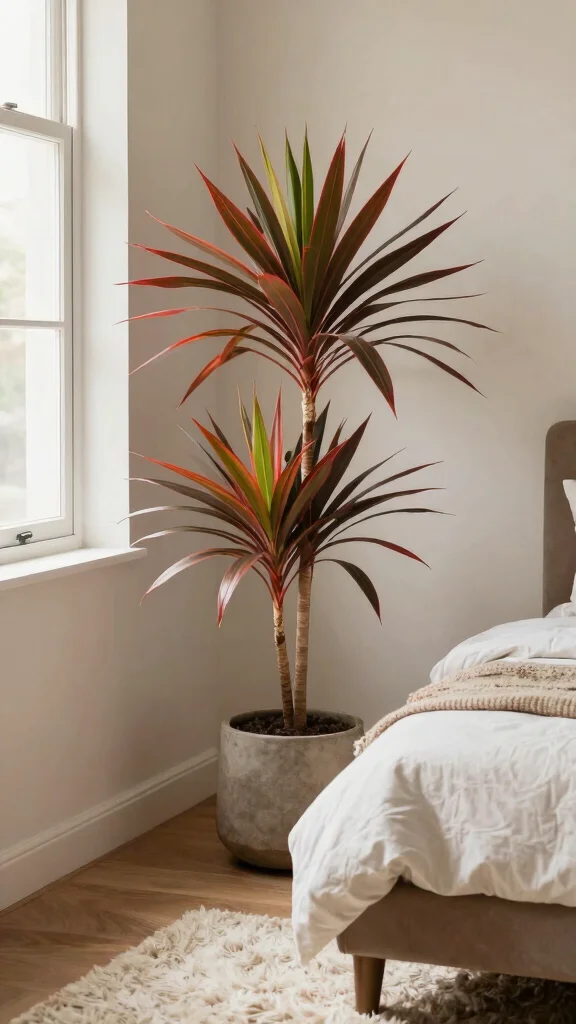
Dracaena is a stunning plant known for its long, slender leaves adorned with colorful accents, making it a captivating addition to your bedroom.
With various types showcasing deep greens and vibrant speckles, this low-maintenance plant thrives in indirect light and requires little watering, perfect for busy lifestyles. Its air-purifying capabilities further improve indoor air quality, adding both beauty and functionality.
To care for your dracaena:
– Allow the top layer of soil to dry before watering.
– Keep it away from drafts and direct heat to protect its leaves.
The dracaena not only serves as a chic decor piece but also promotes a healthier environment for rest.
Recommended Products

ELEGANT INDOOR HOUSEPLANT: Add a touch of timeless, sophisticated style with a live Peace Lily. Featuring iconic white blooms and lush green foliage, it’s a perfect tabletop decor piece for your home or office
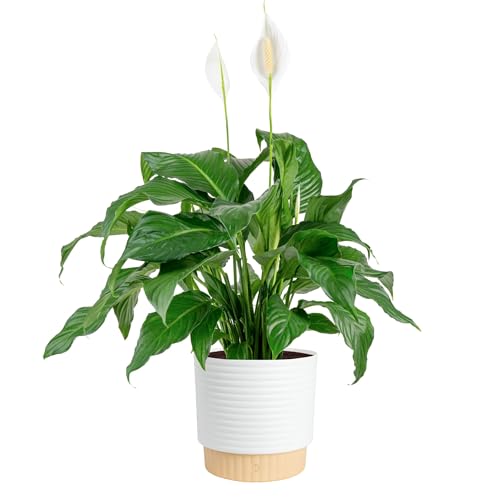
LIVE PEACE LILY PLANT: Bring home a beautiful Peace Lily to add a relaxing, calm feel to any space. These houseplants are natural air purifiers that help keep your indoor air fresh and clean, making them a great addition to any room, home, or office décor

Performs best in medium to bright indirect light and tolerates lower-light spaces
You Might Also Like
Dracaena (Dracaena marginata)
Editor’s Choice

Artificial Dracaena Plant Indoor 5FT – Fake Tree with White Tall Planter…
Miracle-Gro Indoor Plant Food for All Plants, Liquid Plant Food for Hous…

Utopia Home Plant Pots Indoor with Drainage Holes – Set of 5 White Pla…
8. Aloe Vera
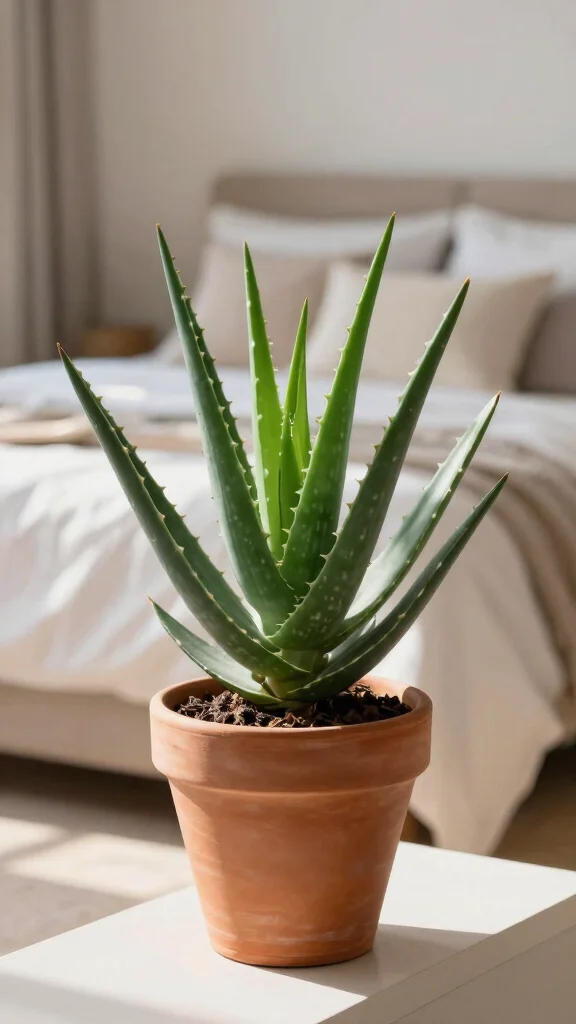
Aloe Vera is widely known for its healing properties and as a beautiful indoor plant, featuring thick, fleshy leaves that add unique texture to your bedroom.
This succulent is incredibly easy to care for, needing only moderate sunlight and infrequent watering, making it ideal for busy individuals. Its air-purifying abilities, particularly at night, promote restful sleep while enhancing your decor with its soothing presence.
To nurture your aloe vera:
– Use a well-draining potting mix to prevent overwatering.
– Place it in a bright area but avoid direct sunlight.
With its low-maintenance nature and numerous benefits, Aloe Vera is a fantastic choice for creating a serene and health-conscious bedroom environment.
Recommended Products

LICENSED GREENHOUSE GROWN PLANTS: Have confidence in ordering from a CA Licensed greenhouse succulent and cactus Nursery. Succulents bring a colorful addition to your home with the benefits of minimal watering and low maintenance to fit your busy lifestyle.

Easy Care & Drought-Tolerant Succulent: Ruby Necklace is a low-maintenance succulent. Water only when the soil is completely dry. Ideal for beginners or busy plant owners looking for an easy indoor plant

Lustrous Foliage: Homelomena Emerald Gem features rich, glossy green leaves with a smooth texture, providing a vibrant and elegant addition to any indoor space.
Ongoing Maintenance & Care Guide
Maintenance Schedule:
Daily/Weekly Tasks:
– Check Soil Moisture: Stick your finger about an inch into the soil. If it feels dry, it’s time to water. ⏱ (5 minutes)
– Dust Leaves: Gently wipe the leaves with a damp cloth to remove dust. This helps the plant breathe better. 🚀 (10 minutes)
– Rotate Plants: Turn your plants every week to ensure they grow evenly. This helps all sides get enough light. ✔ (5 minutes)
Monthly/Seasonal Tasks:
– Watering Schedule: Adjust the watering frequency depending on the season. Most indoor plants need less water in winter. 🌱 (15 minutes)
– Fertilize: Use a balanced liquid fertilizer once a month during the growing season (spring and summer) to keep your plants healthy. 💡 (10 minutes)
– Repotting: Check for root growth. If roots are coming out of the pot, it’s time to repot into a larger container every 1-2 years. 🚀 (30 minutes)
– Pest Inspection: Look for signs of pests on the leaves and stems. Early detection can save the plant. 👀 (10 minutes)
– Pruning: Trim any dead or yellowing leaves to encourage new growth. This keeps the plant looking fresh. ✂️ (15 minutes)
Maintenance Summary Table:
| Task | Frequency | Difficulty | Time Needed |
|—————————|——————–|————|————–|
| Check Soil Moisture | Daily/Weekly | Easy | 5 minutes |
| Dust Leaves | Weekly | Easy | 10 minutes |
| Rotate Plants | Weekly | Easy | 5 minutes |
| Watering | Monthly | Moderate | 15 minutes |
| Fertilize | Monthly | Easy | 10 minutes |
| Repotting | Every 1-2 years | Moderate | 30 minutes |
| Pest Inspection | Monthly | Easy | 10 minutes |
| Pruning | Monthly | Easy | 15 minutes |
Common Issues to Watch For:
⚠️ Yellow Leaves: This often indicates overwatering. Check the soil moisture. If it’s too wet, let it dry out before watering again.
⚠️ Brown Leaf Tips: This can mean underwatering or low humidity. Make sure you’re watering enough and consider using a humidifier.
⚠️ Wilting: If your plants look droopy, they may need water. Check the soil, and if it’s dry, give them a drink.
⚠️ Pest Infestation: Look for small bugs or sticky residue on the leaves. If you spot pests, isolate the plant and treat with insecticidal soap.
⚠️ Stunted Growth: If your plants aren’t growing, they might need fertilizer or a larger pot. Check the root system to see if they’re root-bound.
Care Tips:
💡 Use the Right Pot: Make sure your pot has drainage holes. This prevents water from sitting at the bottom, which can lead to root rot.
💡 Group Plants Together: Placing plants close can create a humid microclimate, helping them thrive better, especially ones that enjoy moisture.
💡 Adjust Light Conditions: Observe how much light your plants get. If they’re leaning towards a window, they may need more light. Use sheer curtains if direct sunlight is too harsh.
💡 Water Consistently: Try to establish a consistent watering routine. A schedule helps you remember when to check moisture levels.
💡 Keep an Eye on Temperature: Most indoor plants prefer temperatures between 65°F to 75°F. Avoid placing them near drafts or heaters.
Following these guidelines will help you keep your bedroom plants healthy and thriving. Happy planting!


Aloe Vera
Editor’s Choice


Set of 2 Terracotta Plant Pots 4 Inch 6 Inch, Small Medium Clay Planter …

Watering Can for Indoor and Outdoor Plants – Long Spout Water Can for Ga…
Conclusion
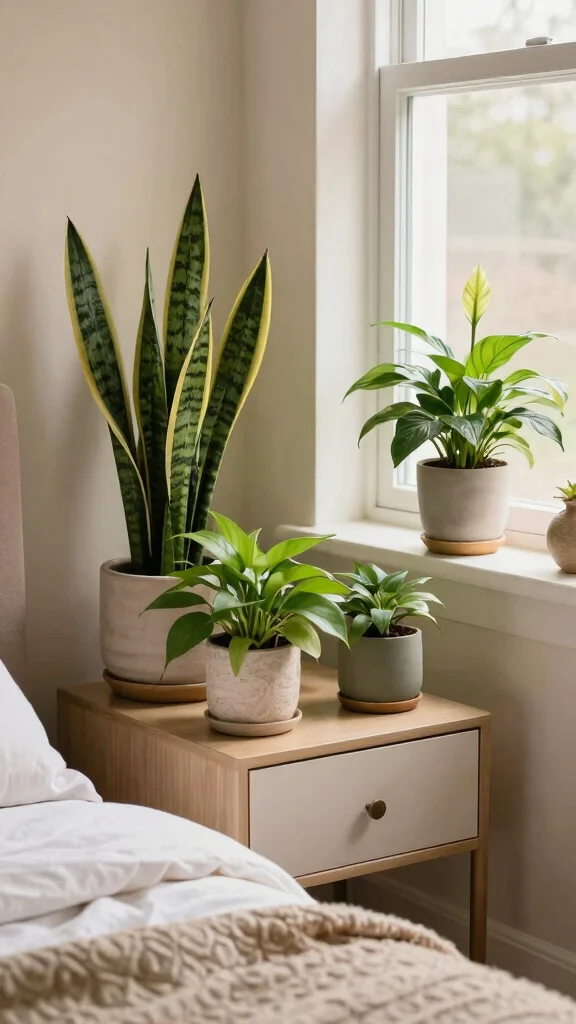
Incorporating low-maintenance plants into your bedroom decor not only beautifies your space but also promotes a healthier environment.
From the resilient snake plant to the elegant peace lily, these easy-care houseplants can thrive with minimal effort while enhancing your well-being.
Explore these options and find the perfect greenery to create your personal oasis, fostering relaxation and serenity in your restful retreat.
Note: We aim to provide accurate product links, but some may occasionally expire or become unavailable. If this happens, please search directly on Amazon for the product or a suitable alternative.
This post contains Amazon affiliate links, meaning we may earn a small commission if you purchase through our links, at no extra cost to you.
Frequently Asked Questions
What are the best plants for bedroom that are easy to care for and low-maintenance?
These plants are among the best plants for bedroom that stay healthy with minimal care. Start with forgiving options from the low-maintenance bedroom plants group like snake plant, ZZ plant, and pothos, then add others if you want more variety. Ensure they have appropriate light: low-light corners work for snake plants and ZZ plants, while brighter indirect light suits pothos and peace lilies. Water only when the top inch of soil dries; most bedroom plants need less frequent watering. Use pots with drainage and avoid soggy soil to prevent root rot. All of these are classic air-purifying plants that contribute to a calmer, cleaner bedroom environment. For extra ease, group 2–3 plants together on a small shelf and rotate them monthly.
How can I choose easy-care indoor plants for my bedroom that still purify the air?
Start by assessing your bedroom’s light. For low-light rooms, pick forgiving options like snake plant or ZZ plant; for brighter spaces, add pothos or peace lily. Look for plants labeled as air-purifying plants to maximize benefits. Match watering to light: in dim rooms, water sparingly; in bright rooms, allow the soil to dry between waterings. Use containers with drainage and avoid overwatering to prevent root rot. These choices are among the easy-care houseplants and indoor plants for bedrooms that keep air fresh without demanding daily attention.
What maintenance routine keeps indoor plants for bedrooms thriving with minimal effort?
Keep it simple: check soil moisture once a week and water only if the top inch is dry. Dust leaves monthly to maintain photosynthesis and air cleaning. Rotate plants every month or two to balance light exposure. Repot every 1–2 years to refresh soil and give roots room to grow. Fertilize lightly during the growing season with a balanced houseplant fertilizer, about once a month. Avoid placing them near cold drafts or heat vents to stop stress.
What common mistakes should I avoid when using decorative plants for home in a bedroom?
Avoid overwatering—poor drainage is a leading cause of houseplant problems. Don’t tuck plants into spots with extreme temperatures or drafts. Don’t ignore light needs: too much sun can scorch leaves, too little can stunt growth. Don’t neglect cleaning dust from leaves; dusty leaves reduce photosynthesis and air-purifying benefits. Choose plants appropriate for your setup; match pot size to root growth. Start with 2–3 plants and gradually add more to prevent clutter.
How should I arrange air-purifying and low-maintenance bedroom plants to maximize space and impact?
Group plants in odd numbers (like 3 or 5) on a bedside shelf or plant stand to create a cohesive display. Vary heights with stands, hanging planters, and tall pots so every plant gets its own space without crowding. Use decorative pots that complement your bedroom decor while ensuring drainage. Place air-purifying plants near the sleeping area or next to windows for best performance, but avoid blocking airflow. Keep the overall look simple; less is more to avoid clutter.
Related Topics
home decor
low-maintenance plants
bedroom decor
air-purifying plants
easy-care houseplants
indoor plants
plant care tips
beginner friendly
decorative plants
minimalist design
small space gardening
trending plants