
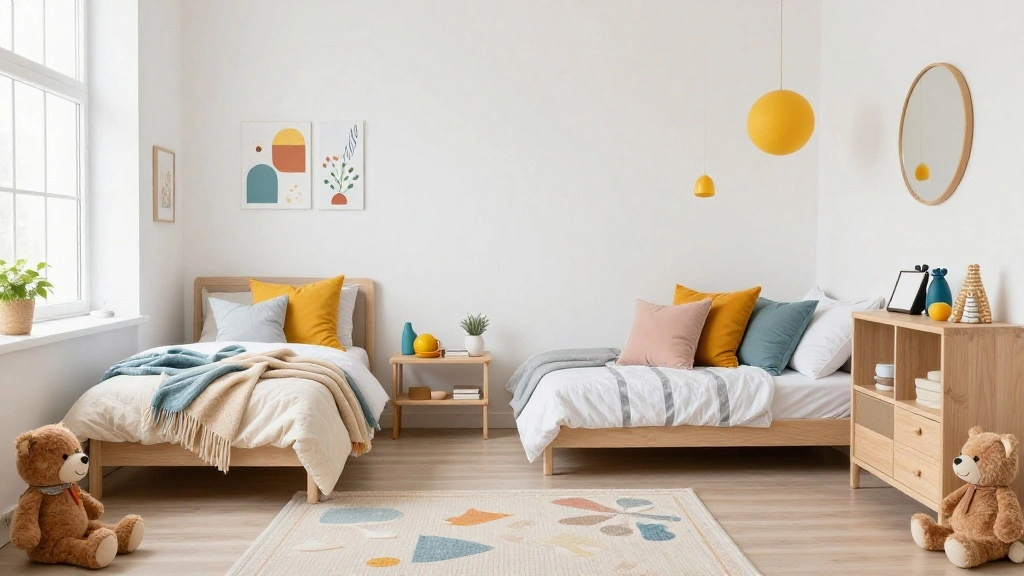
Creating a cozy kids’ bedroom on a budget can feel daunting, especially when you want to combine style with functionality. Many parents struggle with limited resources while trying to create a space that sparks joy and imagination for their little ones. Without careful planning, you might end up overspending or creating a cluttered environment that lacks warmth.
This guide will help you transform your child’s room into a cozy haven without breaking the bank. You’ll learn how to choose themes, repurpose items, and incorporate DIY projects to make the space feel personal and inviting. By the end of this guide, you will have a stylish and snug kids’ bedroom that reflects your child’s personality.
This guide is meant for beginners and will take approximately 2-3 hours to complete. We’ll walk you through each step, offering practical tips and creative ideas to make decorating enjoyable and fulfilling. Let’s dive into the fun of creating a cozy kids’ bedroom!
TL;DR Summary
- Transform your child’s room into a cozy haven without spending a fortune.
- Learn how to choose a theme, repurpose items, and incorporate DIY projects.
- Follow a step-by-step guide designed for beginners, taking around 2-3 hours.
- End up with a personalized space that reflects your child’s personality and creativity.
Recommended Products

GREAT STUFFED ANIMAL NET:This toy hammock net is made of 100% premium cotton which is environmentally . The traditional handmade macrame rope is applied to the animal hammock which means the hanging net would not loosen or change its shape and ensures a longer durability.

GREAT STUFFED ANIMAL NET:This toy hammock net is made of 100% premium cotton which is environmentally . The traditional handmade macrame rope is applied to the animal hammock which means the hanging net would not loosen or change its shape and ensures a longer durability.
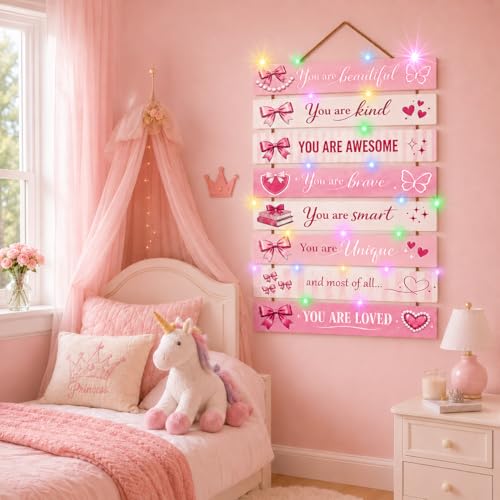
【Inspire Their Inner Beauty】Aesthetic Fairy-tale bow wooden plaque decoration adopt elegant soft pink satin bows, pearls, clouds, hearts, and sparkling stars and encouraging saying- you are strong, unique, brave, cool, awesome and loved on the pink, blue, purple and yellow background, weaving a daily web of positivity for your little princess.
TL;DR Summary
Editor’s Choice

Wake In Cloud – Shabby Chic Quilt Set, Floral Coquette Cottagecore Farmh…


Hula Home Stained Glass Mandala Art Kit – DIY Window Clings with Markers…

Black Girl Wall Art Set of 9,African American Woman Wall Decor Paintings…
Prerequisites/Materials Needed
- Furniture:
- Bed (twin or full)
- Dresser or storage unit
- Decor:
- Wall paint or wallpaper
- Wall art or posters
- Curtains or blinds
- Bedding:
- Bed sheets
- Pillows
- Comforter or duvet
- DIY Supplies:
- Paint brushes
- Craft paper
- Scissors
- Glue
- Accessories:
- Stuffed animals
- Bookshelves
- Toys
Recommended Products
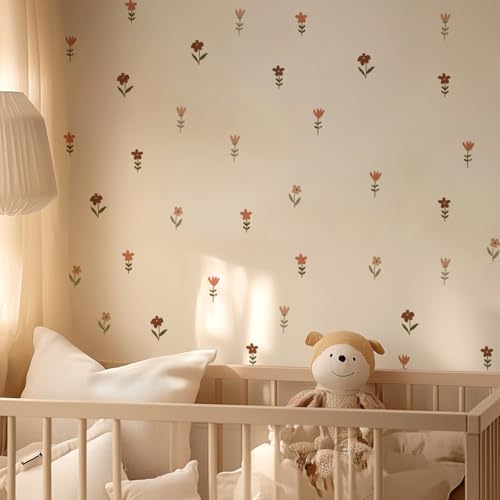
Value Package: 12 Sheets Boho wall stickers, each measures 14.8 cm*21 cm (5.82 inch * 8.26 inch) wall stickers in total.

DIY Fun: Our rainbow wall decals allow you to easily DIY and create your dream room with your unique style. These easy-to-use and install rainbow decal can instantly transform your space into a fun and vibrant place

Quality materials: Amimagen mermaid tail wall stickers are made of high-quality self-adhesive pvc matte material, safe and non-toxic
Skill Level & Time Estimate
Skill Level: beginner
Total time estimate: 2-3 hours
Breakdown:
- Planning and theme selection: 30 minutes
- Painting and wall decor: 1 hour
- Furniture arrangement: 30 minutes
- Accessorizing and final touches: 1 hour
Recommended Products

DIMENSIONS: 14"L x 11"W x 3.25"H. Perfectly sized container for notebooks, paper, folders, and any paper related items you may have.

【Wide Application and Multi-purpose】Kmiectse folding storage bins organizer is versatile to be used as kitchen organization, bathroom organizer, bedroom storage, closet organizer, food storage containers, laundry room organization, toy storage, snack organizer, book case, hat storage box, etc.
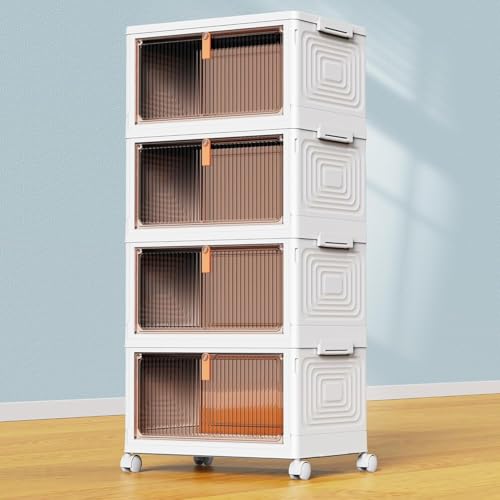
【92Qt Storage Boxes】With total volume of 92QT, the storage box measures 15.35in*11in*8.27in each tier.The Storage bins are good for sorting out crafts, photos, makeup product etc. Also handy as extra storage in the garage, classroom, bedroom, bathroom, office, or pantry. Combining good looks and practicality
Skill Level & Time Estimate
Editor’s Choice

ORGIDOL 8 Pack Colorful Storage Bins with Lids Stackable Storage Contain…
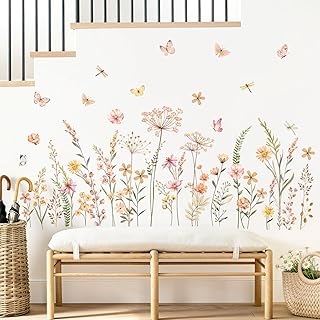
Boho Flower Wall Decals Bohemian Wildflower Grass Wall Stickers Peel and…

Twin Kids Comforter Set – 5 Pieces Twin Bedding Sets for Boys, Glow in T…
Step 1: Choose a Theme

Start by selecting a theme for the bedroom that reflects your child’s interests. A cohesive theme can enhance the overall feel of the room. Follow these steps:
- Discuss with your child their favorite colors, characters, or hobbies.
- Research different themes (e.g., nature, space, princesses) online for inspiration.
- Choose a theme that is versatile enough to grow with your child.
Pro Tip: Use Pinterest or Instagram for visual inspiration to help narrow down your choices.
Why this matters: A well-defined theme creates a cohesive look that makes the room feel inviting and special.
Estimated time for this step: 30 minutes.
Recommended Products

Twin Size Kids Duvet Cover Set - Package includes 1 duvet cover (68" x 86") and 1 pillow sham (20" x 26"). Search "JSD Kids Sheet Set"“JSD Kids Comforter Set" for a matching bedding set !

5 PIECE TWIN SIZE COMPLETE LINEN SET INCLUDES: 1 fitted sheet 39" (W) x 75" (L) featuring deep pockets, fits 10-12" thick mattress. 1 flat sheet 66" (W) x 96" (L). 1 standard pillow case 20" x 30". 1 pillow sham 26" x 20". 1 reversible comforter 64" (W) x 86" (L). Designed to fit a standard twin size bed.
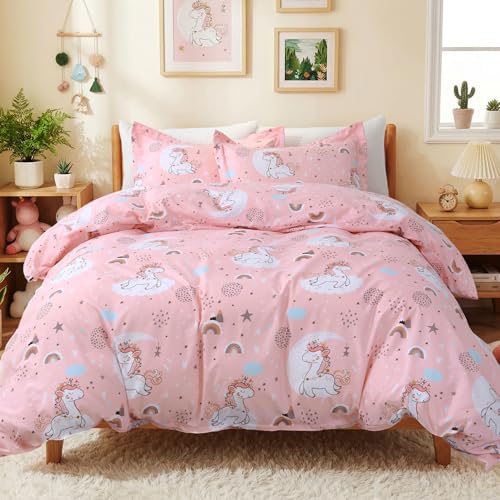
Twin Size Kids Duvet Cover Set - Package includes 1 duvet cover (68" x 86") and 1 pillow sham (20" x 26"). Search "JSD Kids Sheet Set"“JSD Kids Comforter Set" for a matching bedding set !
Step 1: Choose a Theme
Editor’s Choice

Colorful Abstract Shape Wall Stickers, Lovely Smile Clouds Rainbow Irreg…

Moon Pillow, Decorative Throw Pillows with Soft Faux Rabbit for Bed Couc…
Twin Kids Comforter Set – 5 Pieces Twin Bedding Sets for Boys, Glow in T…
Step 2: Clear the Space
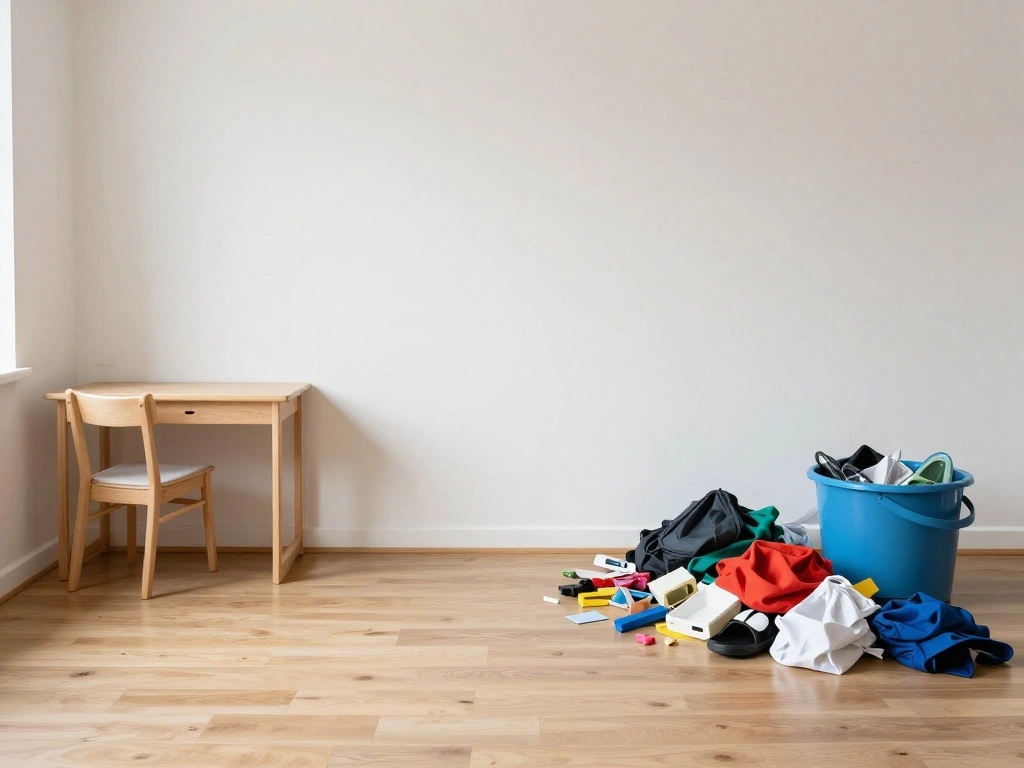
Before you start decorating, clear the room of any unnecessary items. A clean slate makes it easier to visualize your new design. To do this:
- Remove all furniture and decor.
- Sort items into keep, donate, and discard piles.
- Clean the floors and surfaces to prepare for painting and decorating.
Warning: Ensure you have enough space to work and avoid cluttering the new layout with old items.
Why this matters: Clearing the space allows you to see the potential of the room and helps you make better design decisions.
Estimated time for this step: 30 minutes.
Recommended Products

Surfboard Beach Wallpaper: This coastal wallpaper features watercolor surfboards in teal, pink, orange, blue and green with tropical leaves, floral details and playful summer patterns on a clean white background. The bright surf design works well as Girls room wallpaper, kids room wallpaper, playroom wall decor, bathroom accent wallpaper, laundry room decor, closet wallpaper or surfboard contact paper for furniture updates
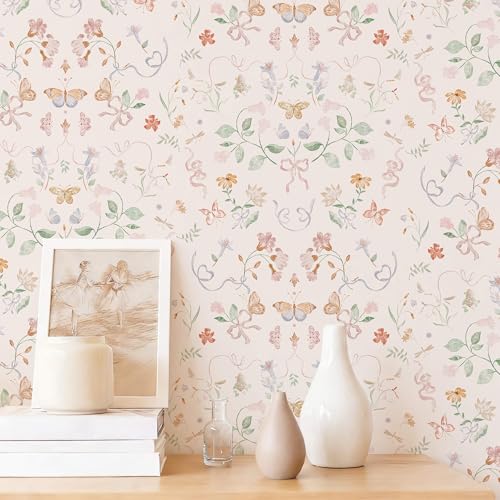
【Gentle French Cottage】 The soft cream-blush background creates a warm, calming glow, like wrapping your walls in a cloud of gentle romance. Muted watercolor blooms, fluttering butterflies, and delicate ribbons blend seamlessly with the pink base, balancing whimsical vitality and timeless French elegance. Ideal for bringing a soft, dreamy touch to American farmhouse, cottagecore, and shabby chic decor

【Spring-Inspired Palette】The soft gradient of light pink, bean paste red, and rice white is like petals blooming on a spring day, paired with light gray green leaves, bringing a fresh spring atmosphere, visually warm and understated
Step 2: Clear the Space
Editor’s Choice

Gowee Large Toy Storage Box with Lid, Sturdy Toys Storage Chest Bin Orga…

Nicpro 68PCS Acrylic Paint Canvas Set for Adults, Art Painting Supplies …

Stardrops The Pink Stuff Miracle Cleaning Bundle – Multi-Purpose Paste…
Step 3: Paint the Walls
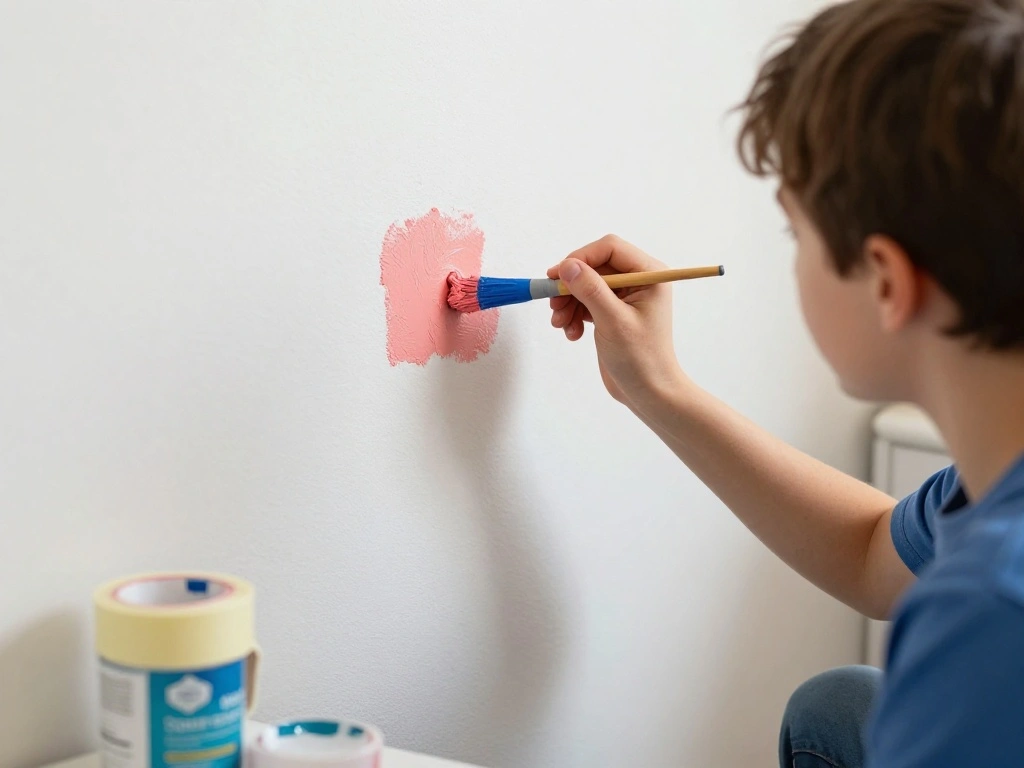
Painting the walls can instantly refresh the room and bring your chosen theme to life. Here’s how to do it:
- Choose a paint color that aligns with your theme.
- Prepare the room by covering furniture and floors with drop cloths.
- Use painter’s tape to protect trim and edges.
- Apply a primer if necessary, followed by 1-2 coats of paint.
Pro Tip: Opt for washable paint finishes to make future cleaning easier.
Why this matters: A fresh coat of paint serves as the foundation for your room’s aesthetic and can set the mood.
Estimated time for this step: 1 hour.
Recommended Products

Space Saving & Durable to Use - Measuring 41.5"*41.5"*55", this stuffed animal holder is large to hold a crowd of stuffed animals to save more floor space. Made from premium cotton, our macrame toy hammocks are soft, eco-friendly, and super durable for use.If you have more stuffed animal toys, please choose XL Large.

Package Includes: Set of 2 navy kids curtains; Each panel measures 42 Inch wide by 63 Inch long. Each star curtain panel has 6 silver metal grommets which inner diameter is 1.6 inch, comparable with most rods. Easy to hang, and slide smoothly.

Ultra Soft Anti Pilling Flannel Material: this monster truck plush throw blanket made from anti pilling flannel fabric, it is incredibly soft yet durable; Whether you're braving the stands or cheering from your couch, drape yourself in this monster truck blanket to fuel your fandom; It's more than a blanket, it's your essential gear for every event
Step 3: Paint the Walls
Editor’s Choice

Canvas Painters Drop Cloth (Size 9 x 12 Feet – Pack of 2) – Pure Cotton …

Cra-Z-Art Washable Classic Paint Bulk Pack 8ct, Assorted Colors 4oz each…

4 Rolls Premium Painters Tape, Blue Tape, Masking Tape, Paint Tape for M…
Step 4: Arrange Furniture
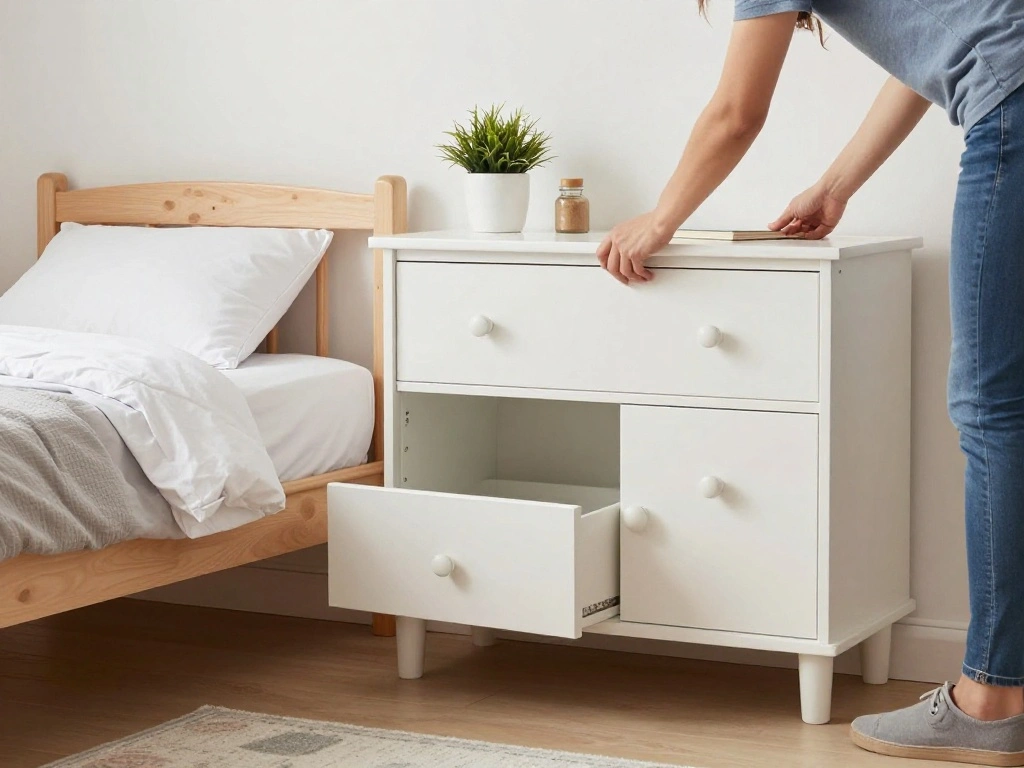
Once the paint dries, it’s time to arrange the furniture in a way that maximizes space and functionality. Follow these steps:
- Position the bed as the focal point, ideally against a wall.
- Arrange other furniture (dressers, bookshelves) to create flow.
- Ensure there is adequate space for play and movement.
Pro Tip: Use a floor plan app to visualize different arrangements before moving heavy furniture.
Why this matters: An organized layout promotes a sense of calm and makes the room more enjoyable for your child.
Estimated time for this step: 30 minutes.
Recommended Products

Halloween Decorations: Our modern Halloween wall decals are designed with various vivid patterns like skeletons, skulls, bats,pumpkin. These Halloween holiday wall decals and stickers are suitable for bedroom, living room, kitchen, bathroom, patio, farmhouse, retail store, restaurant, coffee house, home and office. Perfectly DIY a magic space for Halloween party supplies, Christmas, New Year and holiday

Package and Size: There are 31 white cloud stickers in the package, large: 25 x 12 cm/ 9.8 x 4.7 In, medium: 20 x 10 cm/ 7.8 x 3.9 In, small:11.5 x 5.5 cm/ 4.5 x 2.1 In, mini:8 x 4 cm/ 3.1 x 1.5 In, enough to decorate your room.

Value Package: 6 Sheets Boho wall stickers, each measures 14.8 cm*21 cm (5.82 inch * 8.26 inch) wall stickers in total.
Step 5: Add Bedding and Textiles
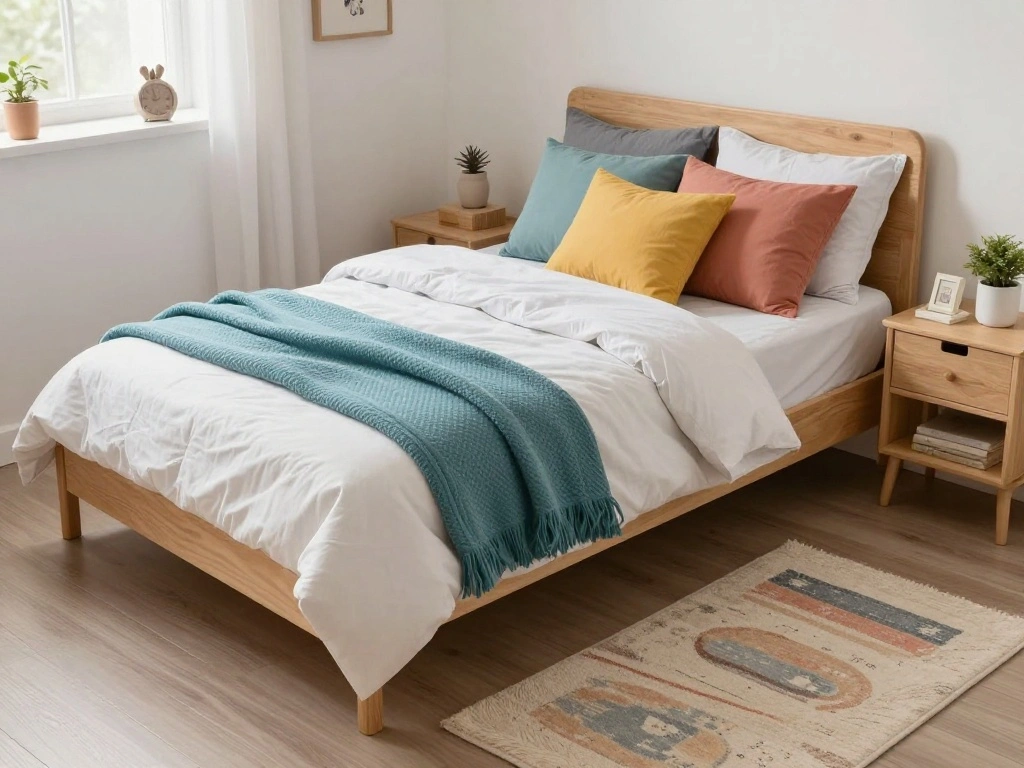
Bedding and textiles can add warmth and personality to the room. Here’s how to choose and arrange them:
- Select bed sheets and a comforter that match the theme.
- Add decorative pillows for style and comfort.
- Incorporate rugs to define play areas and add coziness.
Pro Tip: Layer textures (like adding a knitted throw) to create a more inviting look.
Why this matters: Textiles not only enhance the aesthetic but also contribute to the room’s comfort and functionality.
Estimated time for this step: 30 minutes.
Recommended Products

Large 92Qt Stackable Storage Bins:Each tier measures 15.35" x 11" x 8.27", total 92Qt capacity. Ideal for organizing toys, snacks, crafts, clothes, and more in closets, bedrooms, garages, or offices.

[Instantly Declutter Your Space] Suitable for home, office, or pantry organization. These 7-quart bins with lids hold daily essentials, transforming chaotic shelves into neat, accessible areas in minutes. Dimensions: 11.6x7.5x5.5"

【Ideal Storage Solution for Home】Our storage containers are perfect for creating a clean and organized refrigerator, pantry, cabinets and kitchen space. Suitable for storing fruits, vegetables, snacks, condiments and organizing office supplies, craft materials, toys and other sundries to keep your home neatly arranged. Each storage bin measures 12” L x 6” W x 3.4” H
Step 5: Add Bedding and Textiles
Editor’s Choice

Sage Green Decorative Throw Pillows Flower Daisy Shaped Pillow 16″ Soft …

OLANLY Area Rugs for Living Room Bedroom, Machine Washable 4×5.9 ft Soft…

JSD Green Forest Animals Kids Comforter Set Twin Size, 2 Piece Woodland …
Step 6: Personalize the Walls
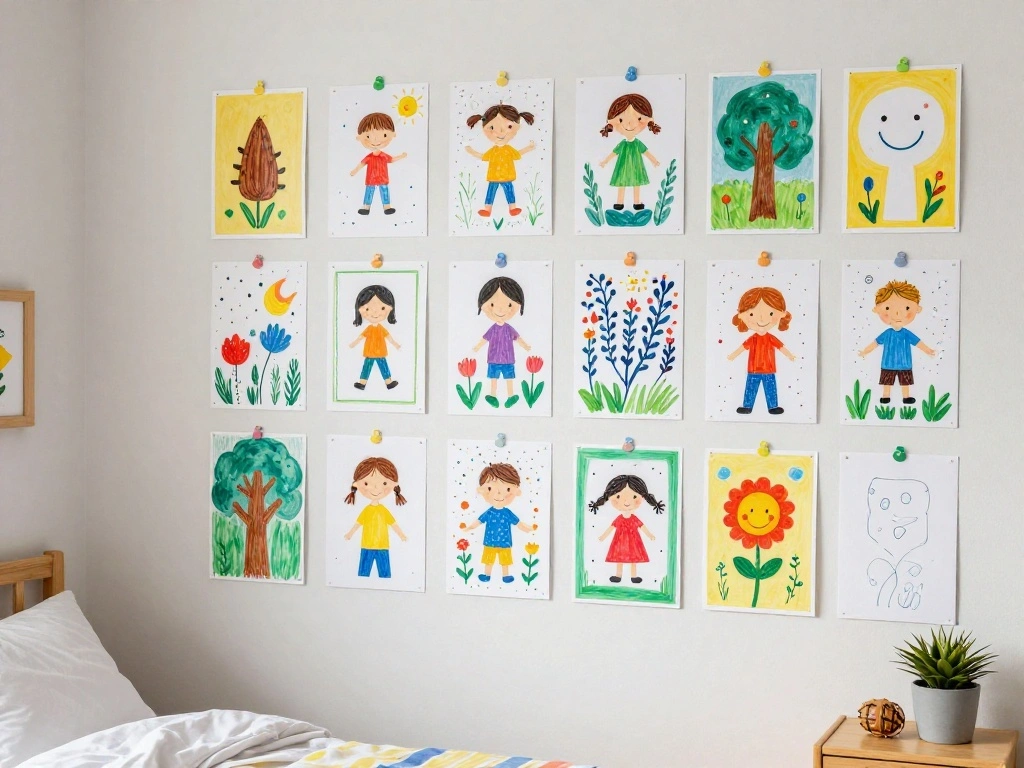
Personal touches can make the room feel unique and special for your child. To personalize the walls:
- Hang artwork or posters that align with the chosen theme.
- Consider creating a DIY gallery wall with your child’s artwork.
- Add wall decals or removable stickers for easy customization.
Pro Tip: Use washi tape to hang artwork; it’s damage-free and easily removable.
Why this matters: Personalized decor allows children to express themselves and feel more connected to their space.
Estimated time for this step: 30 minutes.
Recommended Products

CUTE PATTERN: The cartoon puppy pattern and bow pattern are very cute and charming, I believe she/he will fall in love with it at a glance. We want to create a warm and loving world for your kids

Made Of 100% COTTON Percale 200 Thread Count - Percale weave cotton is the benchmark for comfortable and breathable bedding. Touch thicker. Keep warm, particularly suitable for people with high environmental requirements for their skin. Suit for all year round.

Soft and Breathable:Erwinmu Brown Striped Bedding Duvet Cover Set made of 100% Brushed Microfiber which is ultra soft,Breathable and Sweat-Absorbent.Whether it's the cool summer or the chilly winter, you can rely on this Microfiber Comforter Duvet Cover to provide comfort and warmth, enhancing the quality of your sleep.
Step 6: Personalize the Walls
Editor’s Choice

Guirnd 12PCS Colored Masking Tape, Kids Art Supplies, DIY Craft Tape, Co…

Antique Frame for 24×30 Canvas Paintings, No Front & Backing, 2.6″ Wide …
Step 7: Incorporate Storage Solutions
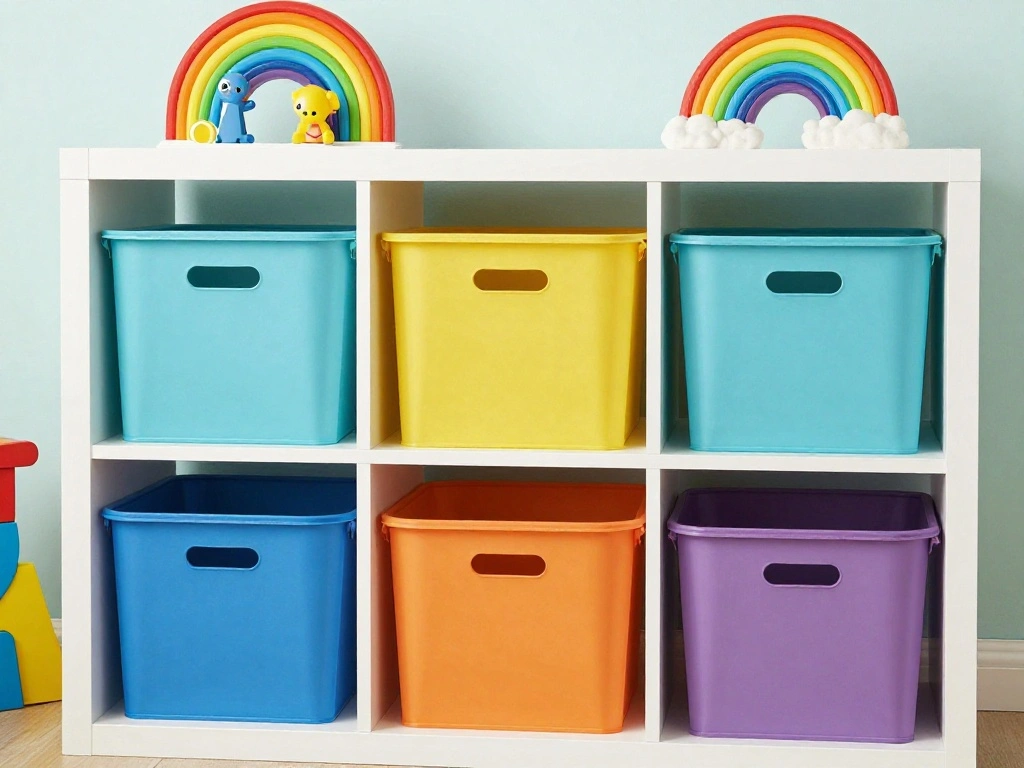
Storage is essential for maintaining a tidy and functional kids’ room. Follow these steps to incorporate effective storage:
- Choose storage solutions that match the room’s decor (like colorful bins or shelves).
- Designate specific areas for toys, books, and clothes.
- Use under-bed storage for out-of-season items or less frequently used toys.
Pro Tip: Label bins and shelves to help kids know where to put things away.
Why this matters: Adequate storage keeps the room organized and makes it easier for your child to clean up.
Estimated time for this step: 30 minutes.
Recommended Products

【Size】Each roll of colored contact paper is 15.5 inches wide and 197 inches long, covering 21.2 square feet. Due to the possible shrinkage caused by changes in temperature and humidity, please slightly overlap the wallpaper during installation to avoid seams

🏠DETAILS: Size 17.5 x78.8 Inch , total 9.57 sq.ft(44.5cmX2m), Self adhesive (no extra glue needed). Made of durable vinyl, Graffiti wallpaper, Peel and stick, Matte, Waterproof, Removable.

Great Decal for Nursery Classroom: This colorful sticker is perfect for kids playroom area decoration.Because of the unique circle design can create wonderful environment, make your kids feel fun and freedom.
Step 7: Incorporate Storage Solutions
Editor’s Choice

Budding Joy 90L Under Bed Storage Containers, Closet Organizers and Stor…

Nelko Label Maker Machine with Tape, P21 Bluetooth Label Printer, Wirele…
Gowee Large Toy Storage Box with Lid, Sturdy Toys Storage Chest Bin Orga…
Step 8: Add Finishing Touches

Finishing touches can elevate the overall look of the room. Here’s how to complete the decor:
- Add curtains or blinds that complement the theme.
- Incorporate soft lighting, like fairy lights or lamps, for a cozy vibe.
- Place stuffed animals or decorative pillows in strategic spots for visual interest.
Pro Tip: Use battery-operated fairy lights for a magical touch without needing outlets.
Why this matters: Finishing touches create a cohesive feel and enhance the room’s ambiance.
Estimated time for this step: 30 minutes.
Step 8: Add Finishing Touches
Editor’s Choice

Cute Decorative Lights Fairy String Light Horse Gifts for Women Novelty …

Black Woman Curtains African American Black Girl Blackout Curtain 4263in…

YOUR MOON Fluffy Support Bed Pillow Queen Size, Super Soft Premium Down-…
Step 9: Celebrate the Transformation

With everything in place, it’s time to celebrate the transformation! To enjoy the new space:
- Invite your child to explore their newly decorated bedroom.
- Encourage them to arrange their toys and books in their new storage.
- Take photos to document the change and share the joy!
Pro Tip: Plan a small celebration (like a movie night) in the new room to make it feel even more special.
Why this matters: Celebrating the completion allows your child to appreciate their new space and feel involved in the creation process.
Estimated time for this step: 30 minutes.
Step 9: Celebrate the Transformation
Editor’s Choice

Colorful Polka Dot Wall Decals Watercolor Dots Wall Sticker for Kids Bab…

Sorbus 11 Inch Fabric Storage Cubes – Sturdy Collapsible Bins With Handl…

MUGD Soft Blankets Fleece Soft Fuzzy Throw Blanket Kids Warm Throw Blank…
Pro Tips
- Shop Second-Hand: Visit thrift stores for unique decor items that can be easily refreshed with paint.
- DIY Decor: Get creative with DIY projects like custom wall art or handmade cushions.
- Rotate Decor: Change out seasonal or holiday decor to keep the room feeling fresh.
- Involve Your Child: Let them help with choosing colors and arranging items to foster a sense of ownership.
- Budget Planning: Set a strict budget and stick to it to avoid overspending on decor items.
Pro Tips
Editor’s Choice
Fairfield The Original Poly-Fil, Premium Polyester Fiber Fill, Soft Pill…

DECOWALL DS-8044 Animal Alphabet Numbers Colour Decals Stickers Kids Pee…
Common Mistakes to Avoid
Warning: Avoid these pitfalls to ensure a successful decorating project:
- Overcrowding: Stuffing the room with furniture can make it feel cramped. Plan your layout carefully.
- Ignoring Storage: Not providing enough storage leads to clutter. Always include storage solutions.
- Choosing Trends Over Personality: Avoid trendy decor that may not resonate with your child. Focus on their interests.
Common Mistakes to Avoid
Editor’s Choice

Kid Storage Basket Gift Shelf Basket Toy Storage Bin, Nursery Basket Org…

Personalized Name Nursery Wall Decal Vinyl Sticker | Multiple Font Optio…

Flash Furniture Hercules Series Kids Padded Folding Chairs for Children,…
Troubleshooting Section
Problem: The paint color doesn’t match the theme.
Solution: Repaint with a new color or add wall decals that complement the existing shade.
Problem: The room feels cluttered.
Solution: Re-evaluate storage options and declutter items that don’t belong.
Problem: The decor looks mismatched.
Solution: Create a cohesive color palette with accessories that tie everything together.
Troubleshooting Section
Editor’s Choice
Fasmov 3 Pack Paperboard Suitcases Storage Box Decorative Storage Boxes …

4Pcs Pink Pillow Covers, Fashion Woman Watercolor Perfume High Heels Lip…
Variations/Alternative Methods
Consider these variations to achieve a cozy kids’ bedroom:
- Minimalist Approach: Use fewer items and a neutral color palette for a clean look.
- Theme-Based Zones: Divide the room into areas (like a reading nook and play area) based on different themes.
- Nature-Inspired Decor: Use natural materials and colors to create a calming environment.
Variations/Alternative Methods
Editor’s Choice

Rainbow Bedding Set Full Size – 7 Piece Reversible Girls Comforter wit…
HOMORE Kids Educational Rug, Kids Collection Area Rug for Learning Alpha…

Shario Nursery Book Shelves, 4-Pack White Floating Shelves for Wall Kids…
FAQs
- What if I don’t have enough budget for paint? Consider using wall decals or removable wallpaper as a cost-effective alternative.
- How long should I wait for the paint to dry? Generally, 2-4 hours, but always check the paint can for specific recommendations.
- Is it safe to use DIY decor? Yes, as long as you use non-toxic materials and secure items properly.
FAQs
Editor’s Choice

15.7″ X 118″ Black Silk Wallpaper Embossed Self Adhesive Peel and Stick …

Crayola Washable Kids Paint (6ct), School Supplies, Painting Set for Kid…

iMagitek 3 Pack 3D Potted Plants Wall Stickers Removable Tropical Nature…
Conclusion
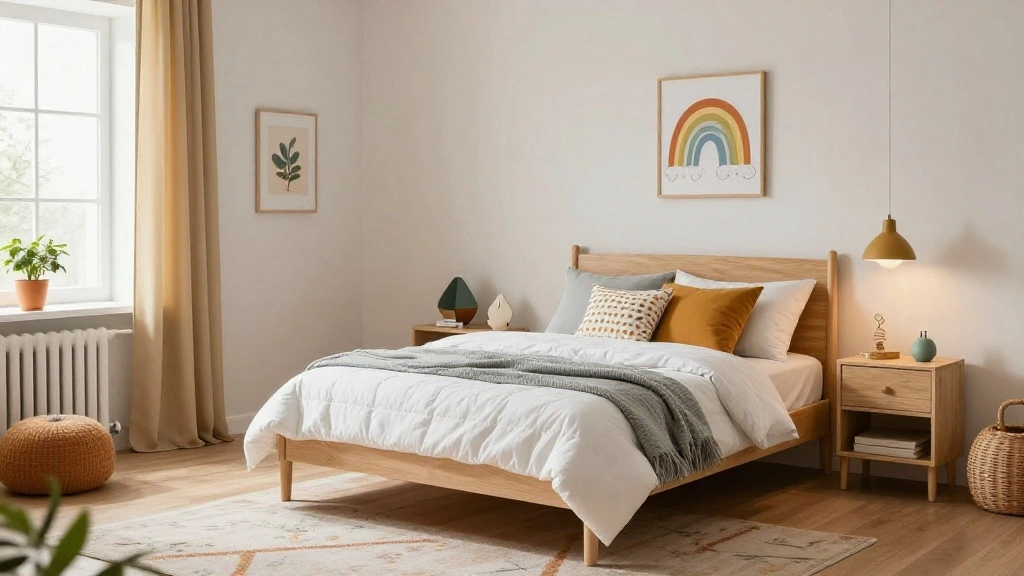
Congratulations on creating a cozy kids’ bedroom on a budget! You should feel proud of your accomplishment and the personal touches you’ve added. While this guide helped you transform the space, consider maintaining its warmth with regular updates as your child grows.
Next steps could include organizing playtime activities in the new space or involving your child in further decor decisions. Remember, a cozy bedroom is not just about aesthetics; it’s about creating a nurturing environment for your child to thrive. Enjoy the journey!