
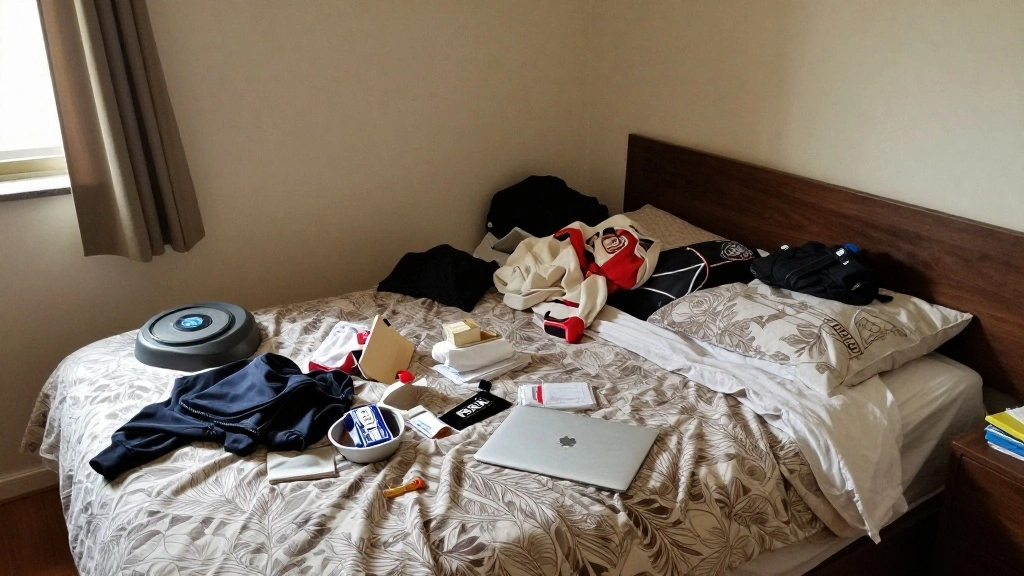
Living in a small bedroom can often lead to the frustrating challenge of finding enough storage space. Without a wardrobe, it may seem impossible to keep your clothes and belongings organized. But there is hope! By creatively utilizing the space you have, you can transform your small bedroom into a functional and stylish area that meets all your storage needs.
In this guide, you will learn practical and innovative strategies to maximize your storage without a traditional wardrobe. You will discover how to use vertical space, repurpose furniture, and implement clever storage solutions that will help you maintain a clutter-free environment.
This guide is designed for beginners and can be completed in 2-3 hours. By the end, you’ll feel empowered with the knowledge to create an organized bedroom that reflects your personal style and maximizes every inch of available space. Get ready to reclaim your bedroom!
TL;DR Summary
- Use vertical space with shelves and hooks.
- Opt for multifunctional furniture like storage ottomans.
- Implement under-bed storage solutions.
- Repurpose everyday items for creative storage.
TL;DR Summary
Editor’s Choice

Budding Joy 90L Under Bed Storage Containers, Closet Organizers and Stor…


COLAMY Fabric Round Storage Ottoman with Reversible Tray Lid – Multi-F…
Prerequisites/Materials Needed
- Storage Bins: 2-3 medium-sized bins
- Floating Shelves: 2-4 depending on wall space
- Wall Hooks: 4-6 for hanging items
- Under-Bed Storage Containers: 1-2
- Multi-Purpose Furniture: 1-2 pieces (e.g., ottoman, bench)
Prerequisites/Materials Needed
Editor’s Choice
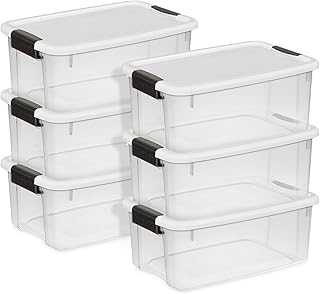
Sterilite 6-Pack Ultra Latching Box, Storage Bins with Lids, Clear Plast…
Skill Level & Time Estimate
Skill Level: beginner
Total time estimate: 2-3 hours
Breakdown:
- Planning: 30 minutes
- Shopping for materials: 1 hour
- Implementation: 1-2 hours
Skill Level & Time Estimate
Editor’s Choice

Huatean Home 48″ Ottoman with Storage, Storage Ottoman Bench with Safety…

AMADA HOMEFURNISHING Floating Shelves, Wall Shelves for Bathroom/Living …

Amazon Basics Under Bed Storage Bags for Clothes and Blankets, Foldable …
Step 1: Assess Your Space
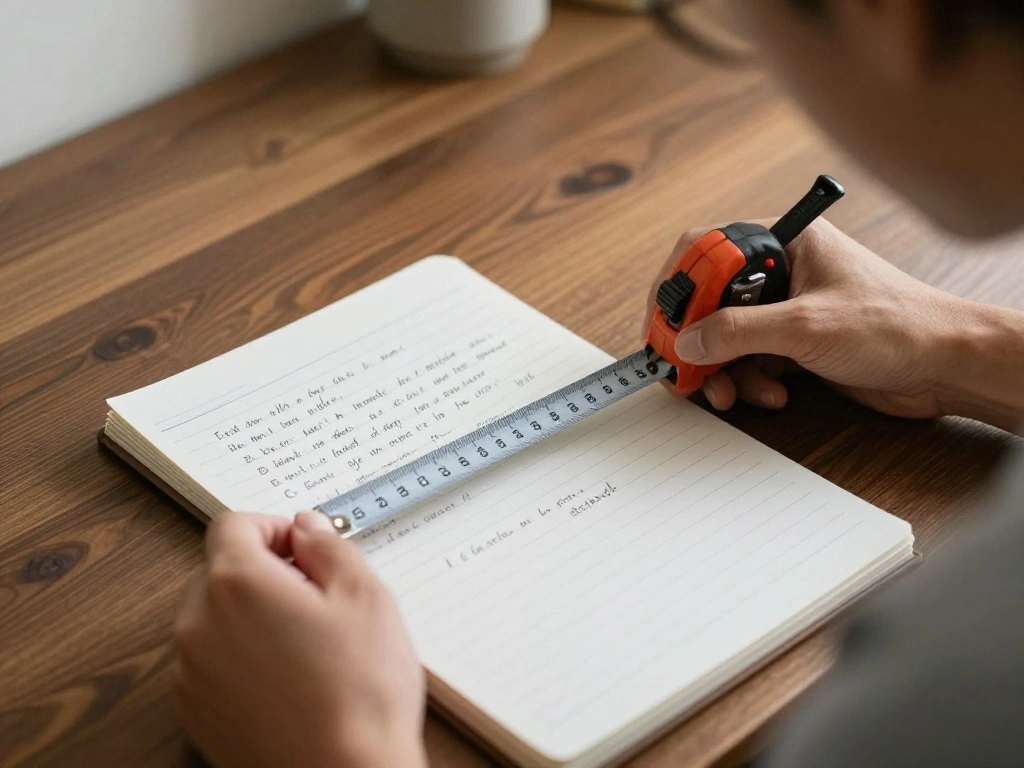
Start by evaluating your bedroom layout and identifying areas that can be optimized for storage. Follow these sub-steps:
- Measure your room dimensions.
- Note existing furniture placements.
- Identify underutilized spaces, such as corners and walls.
Pro Tip: Take photos of your room from different angles to visualize potential changes.
Why this matters: Understanding your space is crucial for making informed decisions about storage solutions. This step ensures you use every inch wisely.
Time estimate: 30 minutes
Step 1: Assess Your Space
Editor’s Choice

Durmmur 2 Pack Hat Racks for Baseball Caps, Stainless Steel Hat Organize…

BAYKA Floating Shelves for Wall, Wall Mounted Rustic Wood Shelves for Ba…

Lifezone Queen Bed Frame with 2-Tier Storage Headboard, Metal Platform B…
Step 2: Declutter Your Belongings
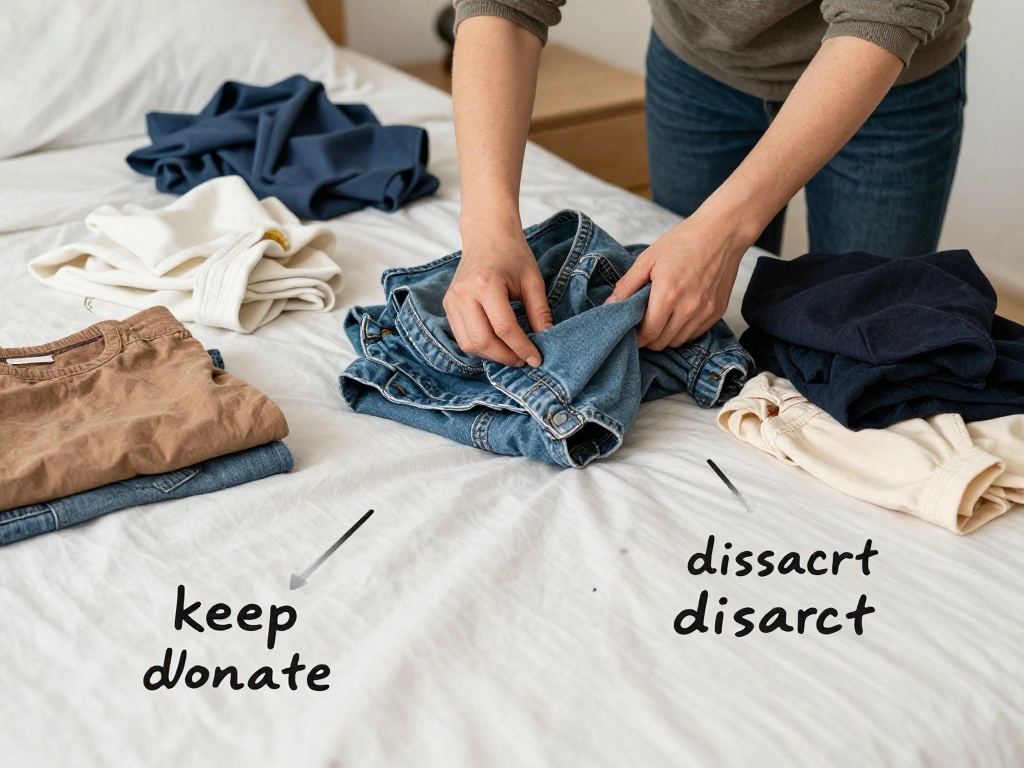
Before adding new storage solutions, declutter your items to make space. Follow these steps:
- Sort items into three categories: keep, donate, and discard.
- Be ruthless—if you haven’t used it in a year, consider letting it go.
- Pack items for donation and discard trash immediately to avoid second-guessing your choices.
Warning: Avoid keeping items just because they have sentimental value if they take up valuable space.
Why this matters: Decluttering clears out unnecessary items, making it easier to see what you actually need to store.
Time estimate: 1-2 hours
Step 2: Declutter Your Belongings
Editor’s Choice

Akro-Mils 30235 AkroBins Plastic Storage Bins, Space-Saving Stackable Bi…

Fygrip Vacuum Storage Bags with Hand Pump, Plastic Packaging Bags, 80% S…
Step 3: Utilize Vertical Space
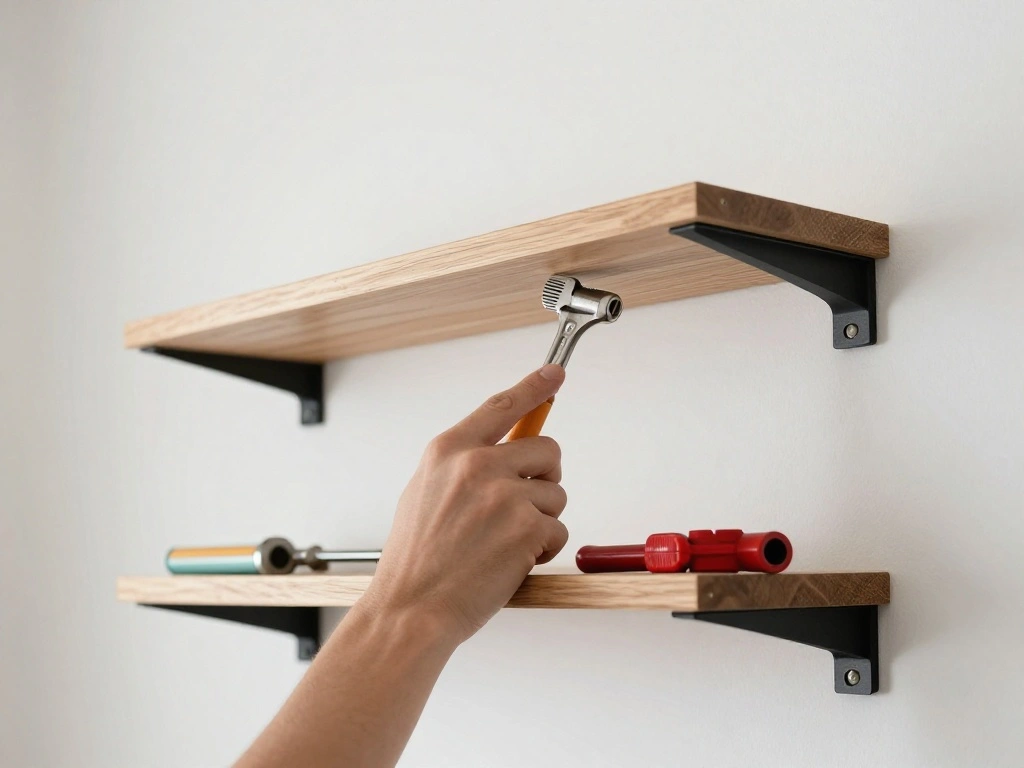
Take advantage of vertical space by adding shelves and hooks. Here’s how:
- Install floating shelves above your bed or desk for books and decor.
- Use wall hooks for bags, hats, or accessories.
- Consider a tall bookshelf to maximize storage without taking up too much floor space.
Pro Tip: Choose shelves that blend with your room decor to maintain aesthetic appeal.
Why this matters: Vertical storage draws the eye upward, making your room feel larger while providing practical storage options.
Time estimate: 1 hour
Step 3: Utilize Vertical Space
Editor’s Choice

Furinno Fulda Book Shelf, 3-Tier Narrow Bookshelf, Bookcase with 8-in Wi…

BAYKA Floating Shelves Set of 2, 22.5 inches Farmhouse Rustic Wood Wall …

Railroad Spike Cast Iron Hooks (10 Pack) Handmade Blacksmith, Wall Mount…
Step 4: Invest in Multi-Functional Furniture
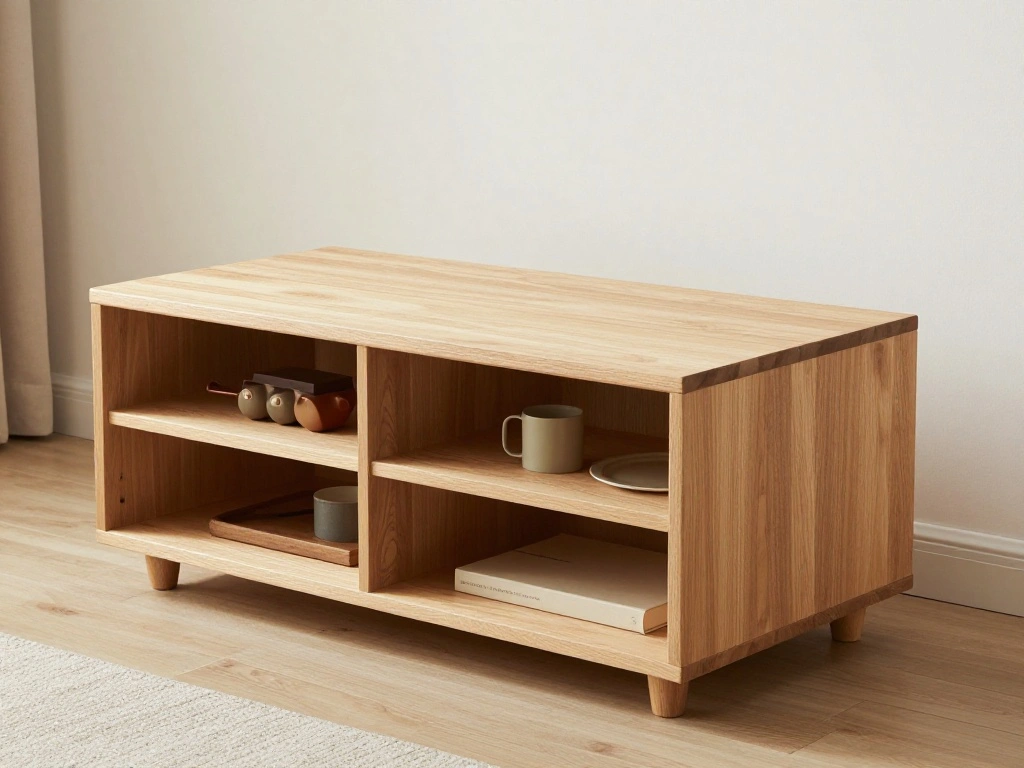
Choose furniture that serves multiple purposes to save space. Follow these steps:
- Select a storage ottoman that can hold items and serve as seating.
- Consider a bed frame with built-in drawers.
- Opt for a bench with storage under the seat for shoes or blankets.
Pro Tip: Look for furniture that matches your style to ensure it complements your bedroom decor.
Why this matters: Multi-functional furniture reduces the need for additional pieces, allowing for more open space in your room.
Time estimate: 1 hour
Step 4: Invest in Multi-Functional Furniture
Editor’s Choice
P PURLOVE 42 Inch Rustic Style Storage Bench with Safety Hinge,Solid Woo…
Lifezone Queen Bed Frame with 2-Tier Storage Headboard, Metal Platform B…

DUMOS 43 Inch Folding Storage Ottoman Bench, Large Hidden Storage Chest …
Step 5: Create Under-Bed Storage
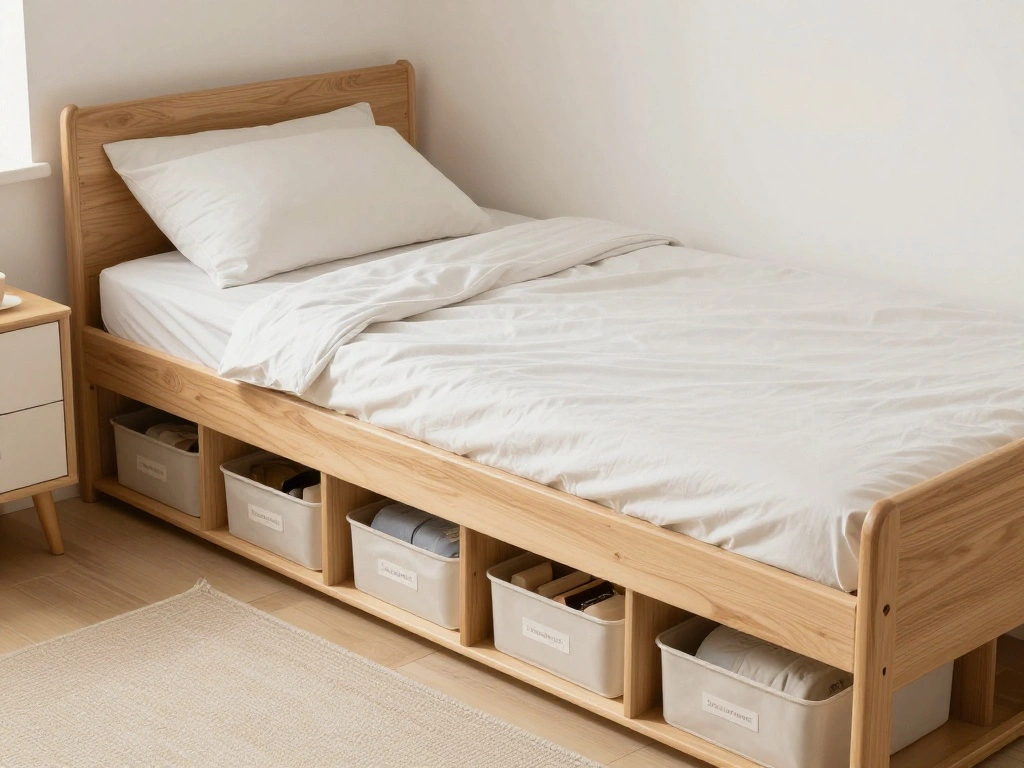
Utilizing the space under your bed can significantly increase storage. Here’s how:
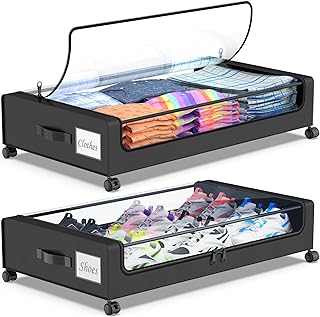
- Purchase under-bed storage containers that fit your bed height.
- Sort and pack seasonal clothes, shoes, or extra linens in these containers.
- Label each container for easy identification.
Warning: Ensure that containers are easy to pull out to avoid frustration when accessing items.
Why this matters: Under-bed storage takes advantage of often-overlooked space and keeps your belongings organized.
Time estimate: 30 minutes
Step 5: Create Under-Bed Storage
Editor’s Choice
Fygrip Vacuum Storage Bags with Hand Pump, Plastic Packaging Bags, 80% S…

SUPVAN E11 Bluetooth Label Maker Machine with 4 Tapes, Support Keyboard …
Budding Joy 90L Under Bed Storage Containers, Closet Organizers and Stor…
Step 6: Maximize Closet Space with Organizers
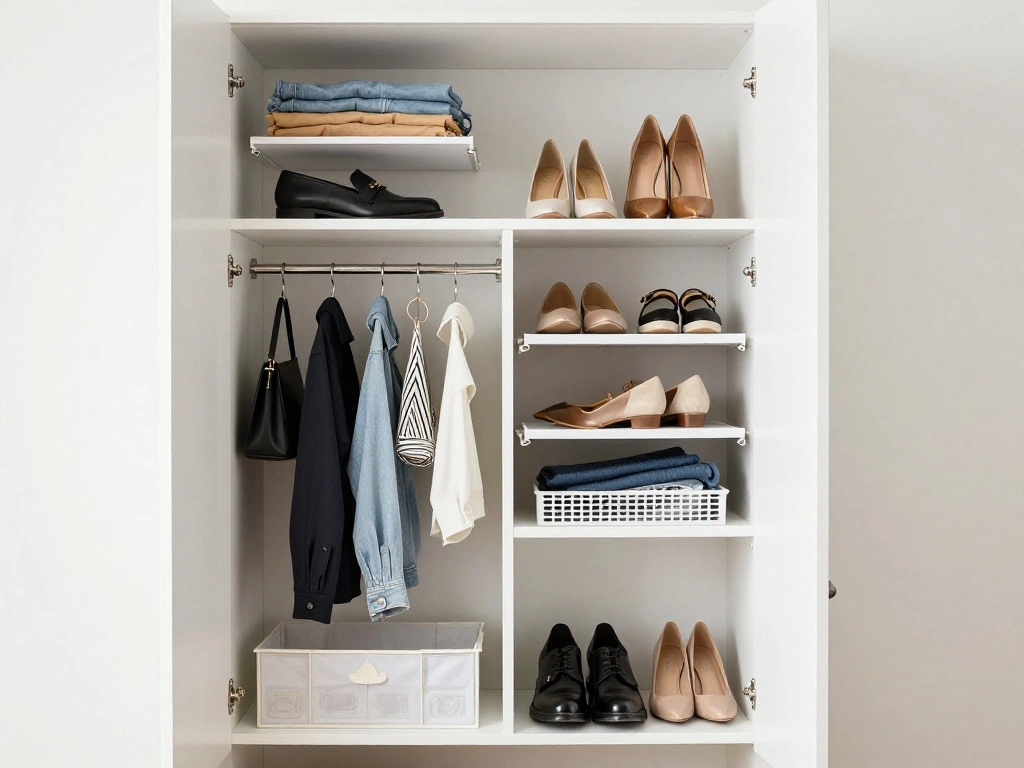
If you have a small closet, enhance it with organizers. Follow these steps:
- Install a hanging organizer for shoes or accessories.
- Use tiered hangers for maximizing hanging space.
- Consider adding a second rod for shorter items like shirts and skirts.
Pro Tip: Use clear bins for easy visibility of items stored in the closet.
Why this matters: Smart organization maximizes the efficiency of your closet, making it easier to find what you need.
Time estimate: 1 hour
Step 6: Maximize Closet Space with Organizers
Editor’s Choice

Pants Hangers with Clips,Space Saving Hanging Closet Organizer-6 Tiers S…

iDesign Recycled Plastic Stackable Storage Bin with Handles – Clear
Step 7: Reorganize Your Desk Area
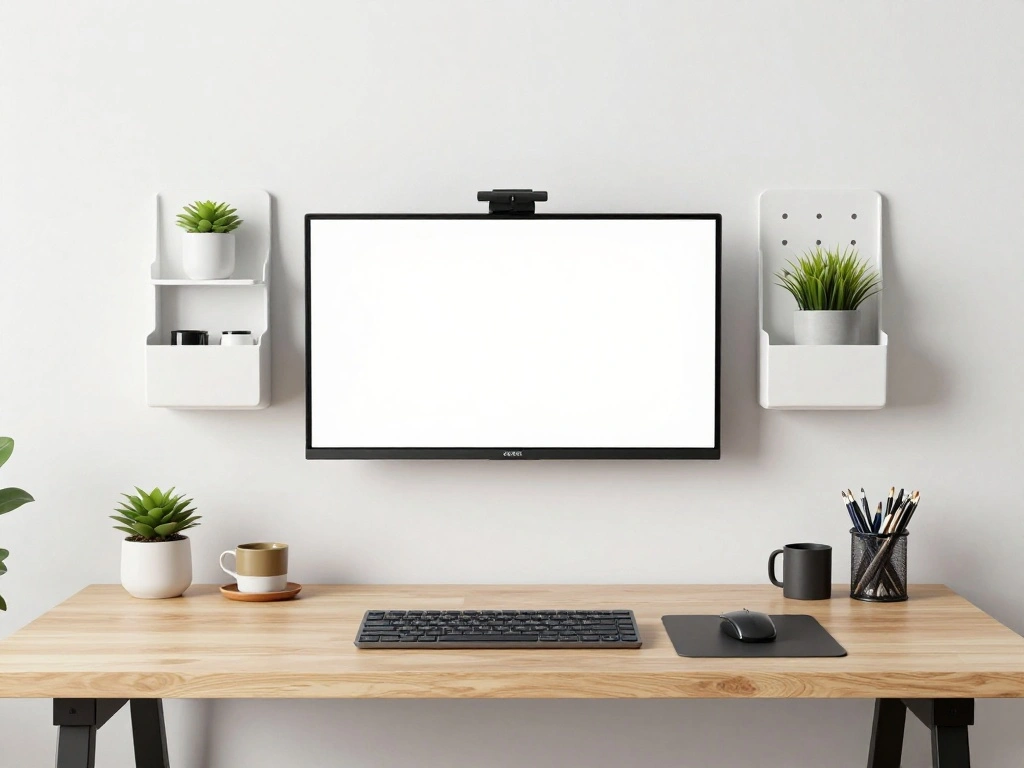
Optimize your desk area for storage and functionality. Here’s how:
- Add a desktop organizer for stationery and small items.
- Use wall-mounted storage for documents and files.
- Keep only essential items on your desk surface to minimize clutter.
Warning: Avoid overcrowding your desk with decorative items that can distract and take up valuable space.
Why this matters: A tidy desk promotes productivity and keeps your workspace organized.
Time estimate: 30 minutes
Step 7: Reorganize Your Desk Area
Editor’s Choice

Desk Storage Organizer with 9 Drawers, 4 Tiers Stackable Desktop Craft S…
Kuntine.B Wall File Organizer Office Hanging Magazine Holder Wall File O…
Step 8: Repurpose Everyday Items for Storage
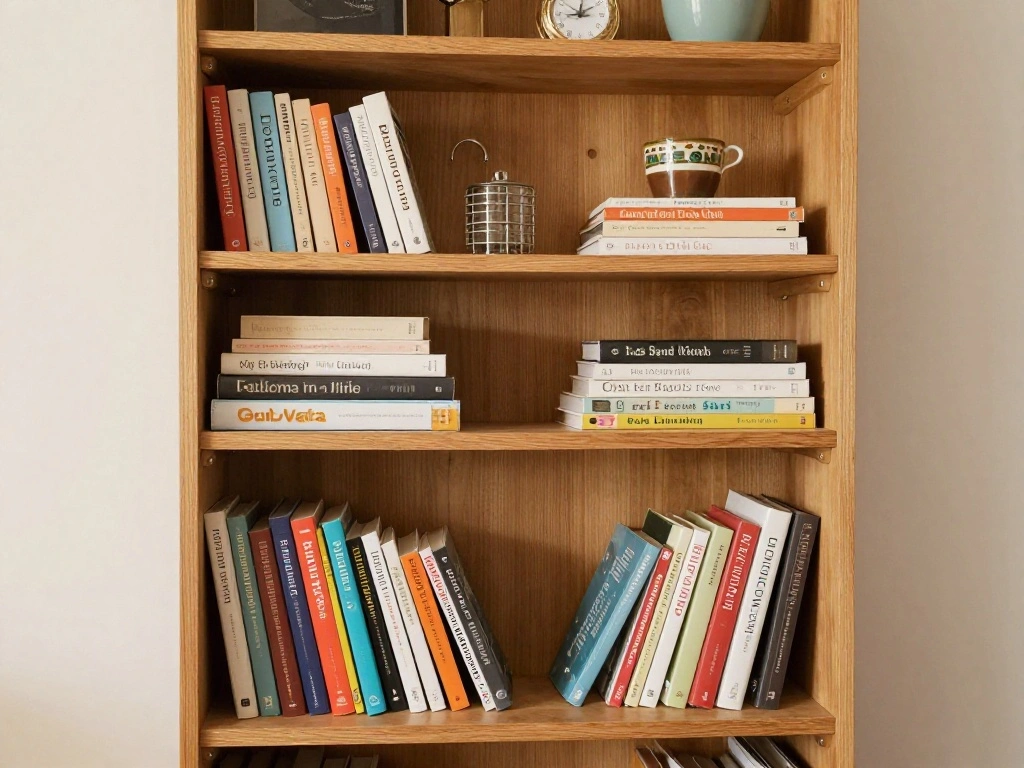
Get creative by repurposing everyday items for storage solutions. Follow these steps:
- Use mason jars for organizing small items like buttons or office supplies.
- Transform an old ladder into a bookshelf or plant stand.
- Utilize baskets to store items on shelves or under tables.
Pro Tip: Choose decorative items that enhance your room’s style while serving a functional purpose.
Why this matters: Repurposing saves money and allows for unique, personalized storage solutions.
Time estimate: 1 hour
Step 8: Repurpose Everyday Items for Storage
Editor’s Choice
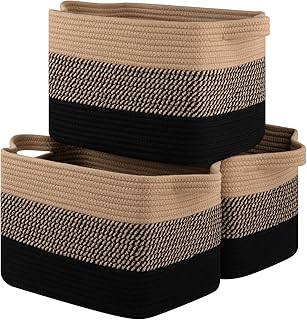
OIASKET Storage Basket for Organizing, Woven Baskets for Storage, Rectan…
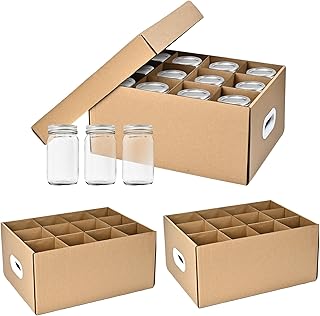
3 Pcs Canning Jar Storage Boxes, Fits 32 oz Regular or Wide Mouth Jars, …

Bamworld Plant Stand Indoor Plant Shelf Outdoor Wood Plant Rack for Mult…
Step 9: Use Decorative Boxes for Storage
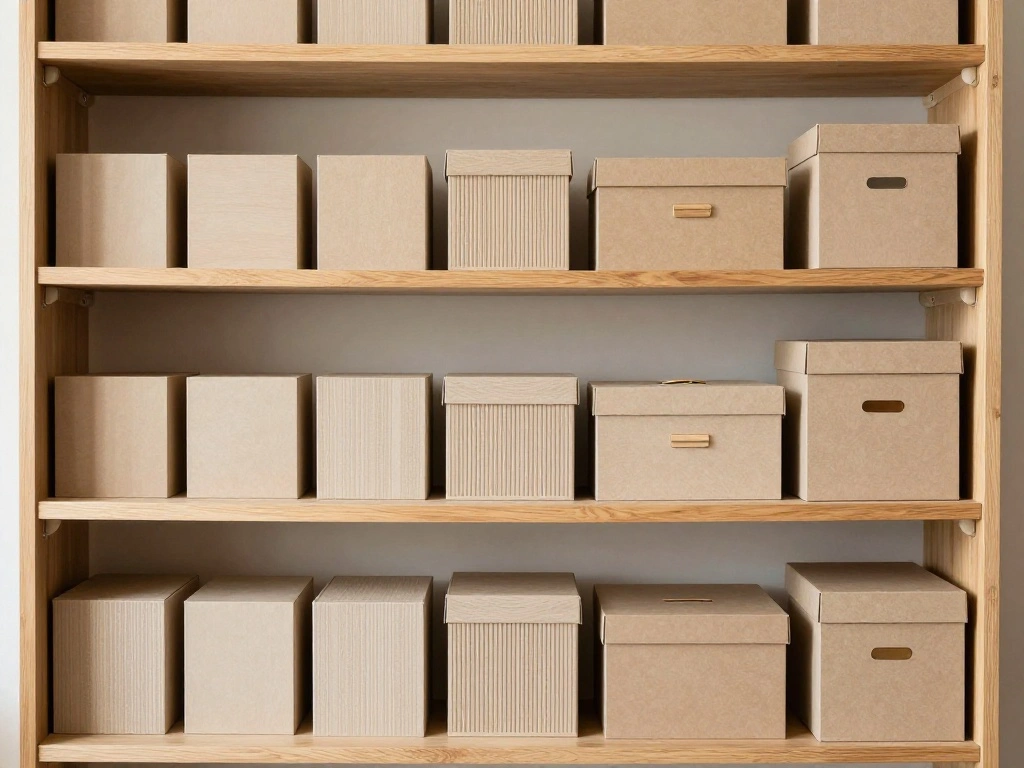
Incorporate decorative boxes into your decor for stylish storage. Here’s how:
- Choose boxes that match your room’s color scheme.
- Store miscellaneous items like chargers or documents inside.
- Stack boxes on shelves for a cohesive look.
Warning: Avoid using non-decorative boxes that can disrupt your room’s aesthetic.
Why this matters: Decorative boxes can double as storage and art, adding to your room’s charm.
Time estimate: 30 minutes
Step 9: Use Decorative Boxes for Storage
Editor’s Choice
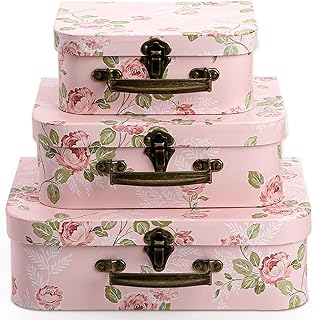
Fasmov 3 Pack Paperboard Suitcases Storage Box Decorative Storage Boxes …

DECRAFTS Seagrass Storage Basket with Lid Rectangular Small Woven Shelf …
DECRAFTS Seagrass Storage Basket with Lid Rectangular Small Woven Shelf …
Step 10: Personalize Your Storage Solutions
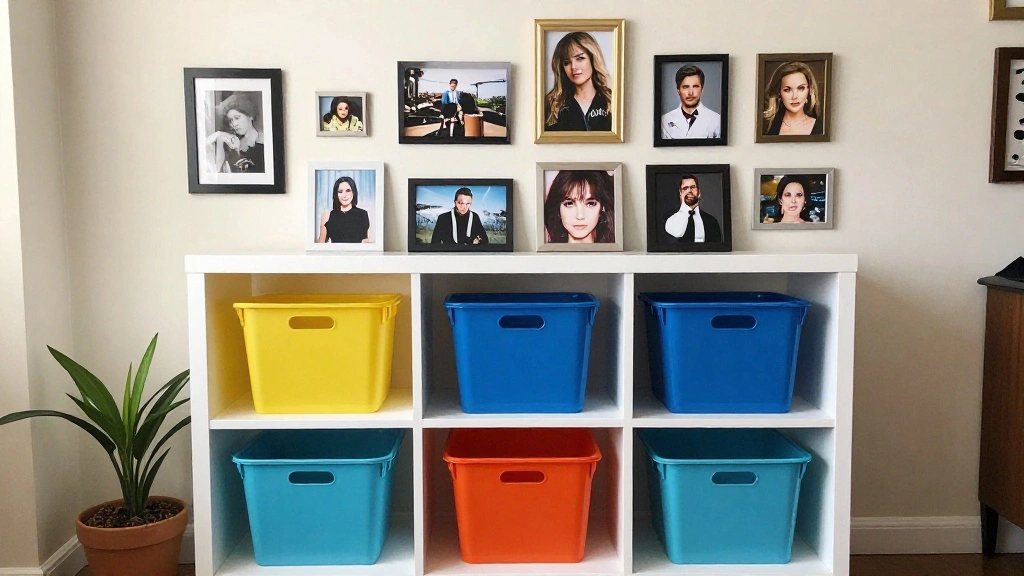
Finally, make your storage solutions personal and inviting. Follow these steps:
- Incorporate personal items like photos or mementos into your storage areas.
- Use colorful bins or baskets to add a pop of color.
- Arrange items in a way that tells your personal story or reflects your personality.
Pro Tip: Change arrangements periodically to keep your space fresh and exciting.
Why this matters: Personalizing storage fosters a sense of ownership and makes your space feel like home.
Time estimate: 1 hour
Step 10: Personalize Your Storage Solutions
Editor’s Choice

Heart-Shaped Photo Tree Holder Clip, 5-Branch Metal Desktop Gift Card Tr…

Locking Adult Game Toy Storage Organizer Lock Box Toy Storage Bins Women…

Hoikwo 3 Pack Butterfly Wall Shelves, White Gold Floating Book Shelves, …
Pro Tips
- Label Everything: Use labels on boxes and bins for easy identification.
- Keep a Donation Box: Have a designated box for items you want to donate to avoid clutter build-up.
- Regularly Review Storage: Every few months, reassess your storage solutions to ensure they still meet your needs.
- Incorporate Vertical Gardens: Use vertical planters for both decor and air purification.
- Maximize Door Space: Use over-the-door organizers for shoes or accessories.
Pro Tips
Editor’s Choice
Budding Joy 90L Under Bed Storage Containers, Closet Organizers and Stor…

4-in-1 Folding Convertible Sofa Bed, 78 Inch Oversized Corduroy Upholste…
BAYKA Floating Shelves for Wall, Wall Mounted Rustic Wood Shelves for Ba…
Common Mistakes to Avoid
Warning: Avoid these common mistakes to ensure effective storage solutions:
- Ignoring Dimensions: Measure your space before buying storage solutions to avoid size issues.
- Overstuffing Containers: Don’t cram too much into bins, as it can lead to disorganization.
- Neglecting Accessibility: Store frequently used items at eye level for easy access.
Common Mistakes to Avoid
Editor’s Choice

WOPITUES Wood Floating Shelves Set of 6, Shelves for Wall Decor, Farmhou…

30-INCH Storage Ottoman Bench, Footrest with Storage, End of Bed Bench C…
Beborxue Under Bed Storage with Wheels, 2-Pack Under the Bed Storage Con…
Troubleshooting Section
Problem: Not enough storage space.
Solution: Reassess and declutter. Use vertical space and multi-functional furniture.
Problem: Items get lost in storage.
Solution: Label bins and containers clearly for easy identification.
Problem: Closet feels cramped.
Solution: Utilize organizers and prioritize vertical storage solutions.
Problem: Room feels cluttered after organizing.
Solution: Regularly review items and maintain a donation box.
Troubleshooting Section
Editor’s Choice

Sakugi Storage Shelves – 5-Tier Large Capacity Shelf Organizer with Hook…

Bagnizer Small Plastic Storage Bins with Bamboo Lids 5.2qt Stackable Box…

SONGMICS MAZIE Collection – 43 Inches Folding Storage Ottoman Bench, Ott…
Variations/Alternative Methods
Consider these alternative storage methods:
- Under-Stair Storage: If applicable, use the area under stairs for additional storage.
- Hooks on Doors: Use hooks on the back of doors for bags or outerwear.
- Storage Cubes: Use cube organizers for a modular approach that can change as your needs do.
Variations/Alternative Methods
Editor’s Choice

HOMIDEC Closet Organizers and Storage, 9 Cube Storage Organizer, Portabl…

Optish Over The Door Hooks, Door Hanger Hooks for Hanging, Over The Door…

8-Cube Storage Organizer Shelf, Open Cube Bookshelf, Reversible Bookcase…
FAQs
- What if I don’t have enough floor space? Consider vertical storage options like shelves and hooks.
- How long should I keep items before deciding to donate? If you haven’t used an item in the last year, it’s a good candidate for donation.
- Is it safe to stack storage bins? Yes, as long as they are stable and not overloaded.
FAQs
Editor’s Choice
BAYKA Floating Shelves for Wall, Wall Mounted Rustic Wood Shelves for Ba…

Mars-Rock Over the Door Hooks 4Pcs L=5.5″ Fit 1 3/8″ Door Steel with Whi…

5 Pack Stackable Closet Storage Basket – Stackable Storage Bins, Multifu…
Conclusion
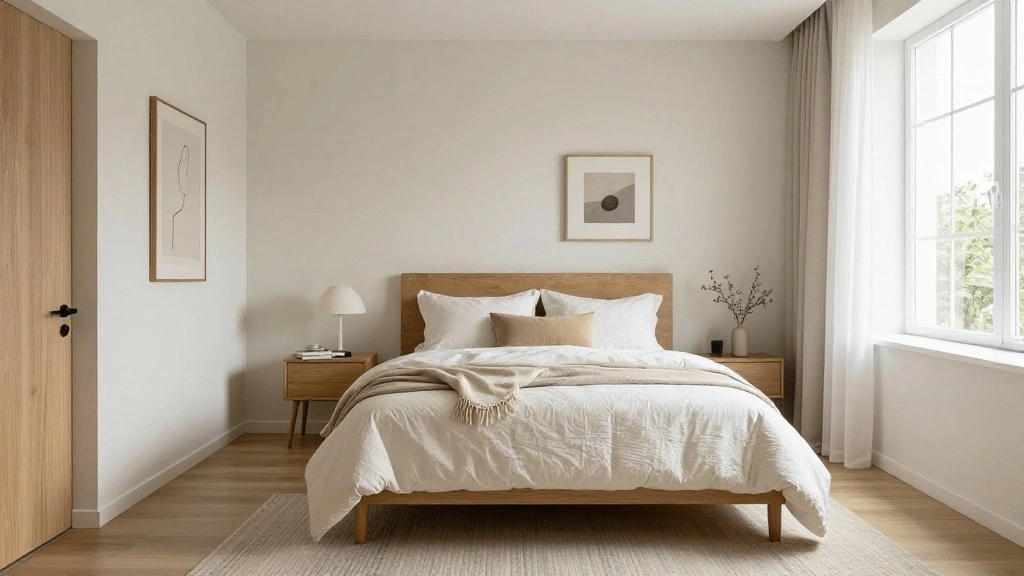
Congratulations! You’ve learned how to maximize storage in a small bedroom without a wardrobe. By following these steps, you’ve taken control of your space and created a functional, organized environment that reflects your style.
Now that you’ve completed this guide, consider maintaining your organized space by regularly reviewing your belongings and adapting storage solutions as your needs change. Embrace your newfound space and enjoy your cozy bedroom!