

Living in a small bedroom can be a challenge, especially when trying to fit both a bed and a desk into the space. Many people struggle with finding a balance between comfort and functionality, leading to frustration and clutter. This guide addresses the urgent need to maximize your limited space without sacrificing style or comfort.
By following this guide, you will learn how to efficiently arrange your furniture to create a harmonious living space. You will accomplish the goal of fitting a desk and a bed in your small bedroom while ensuring both pieces remain accessible and functional.
In this guide, you will learn about essential measurements, furniture options, and clever space-saving techniques that cater to a beginner’s skill level. Expect to invest approximately 2-3 hours of your time to completely transform your bedroom layout.
Ready to make the most of your small bedroom? Let’s dive in!
TL;DR Summary
- Assess your space and measurements.
- Choose multifunctional furniture.
- Arrange your bed and desk for optimal flow.
- Implement storage solutions to reduce clutter.
Recommended Products
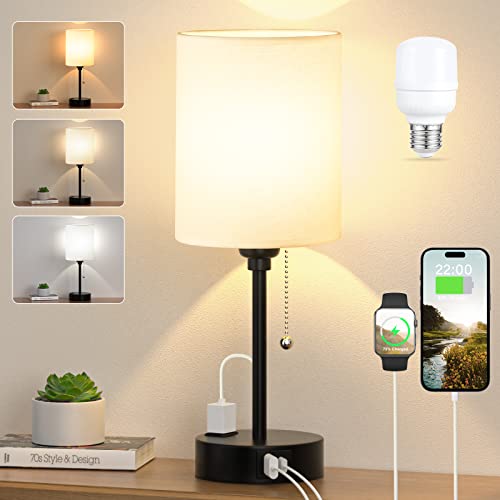
【 3 Color Temperatures Pull Chain Lamp 】- you will receive a bedroom lamp controlled by metal chain. Each adjustment will change the color temperature (3000K Warm White, 4000K Natural White, 5000K Daylight White). Different color temperatures have different effects. The 3000K can be used as an ambience lamp, the 4000K is suitable for bedroom, and the 5000K can simulate the daylight, which is suitable for reading and working

Digital alarm clock with a 0.7-inch green LED display for easily checking the time at a glance
TL;DR Summary
Editor’s Choice

Budding Joy 90L Under Bed Storage Containers, Closet Organizers and Stor…

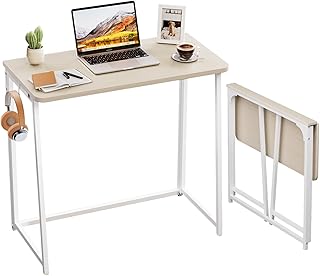
WOHOMO Folding Desk, Small Foldable Desk 31.5″ for Small Spaces, Space S…

LIVAUVEAD Queen Murphy Bed with Storage & Charging Station, Murphy Cabin…
Prerequisites/Materials Needed
- Measuring tape
- Notebook and pen
- Bed (size of your choice)
- Desk (preferably compact or foldable)
- Chair
- Storage solutions (shelves, bins, etc.)
- Decorative items (optional)
Recommended Products

【Sun-Inspired Design】This twin loft bed features a vibrant sun-shaped motif, symbolizing energy and positivity. Available in black with vintage brown and white with oak color, perfect for creating a bright and cheerful bedroom atmosphere.

【Multifunction Loft Bed】 Multi-functional loft bed comes with 6 large fabric drawers, U-shaped desk, 2 open shelves,long pegboard with 5 hooks and a charger,combining multiple functions into one compact, space-saving unit maximizes the use of small spaces,optimizing the utilization of under-bed space,enhances utility and convenience,Perfect for teens/adults in compact spaces

FLEXFIT CLAMP FOR DORM BEDS: The movable 3.1" clamp slides left or right to fit around bed slats and rails, making the DormEssential a flexible bedside shelf for dorm beds, loft beds, bunk beds, and other side-railed frames.
Prerequisites/Materials Needed
Editor’s Choice

Need 39.4 Inch Folding Desk for Small Spaces, Home Office Computer Desk …

BAYKA Wall Mounted Floating Bathroom Shelves, Wood Wall Shelf for Bathro…
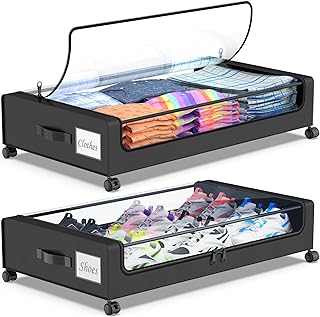
Beborxue Under Bed Storage with Wheels, 2-Pack Under the Bed Storage Con…
Skill Level & Time Estimate
Skill Level: Beginner
Total time estimate: 2-3 hours
Breakdown:
- Measuring and planning – 30 minutes
- Shopping for materials – 1 hour
- Arranging furniture – 1-1.5 hours
Recommended Products

80L Expandable Larger Capacity : Under the bed storage with dimensions 31.5 x 15.75 x 9.45 inches (with wheels), height adjustable from 9.45" to 11.02" to fit most bed frames. Perfect for storing clothing, shoe, bedding, pillow, towel, and seasonal decor like wrapping paper, Christmas and Halloween supplies. Slides smoothly under bed, couch, closet and table to maximize unused space

HIGH QUALITY: These underbed storage containers are crafted from thick non-woven fabric to effectively block dust and resist moisture, protecting your garments and prolonging their service life, keeping clothes tidy and fresh

Premium Material : The under bed storage containers are made from high-quality, odorless, three-ply composite non-woven thick fabric, foldable and breathable, keep clothing fresh from long-term storage. NO cardboard NOR metal supports insert, arrive to you collapsed and packaged in a clear storage bag.
Skill Level & Time Estimate
Editor’s Choice

Amazon Basics Under Bed Storage Bags for Clothes and Blankets, Foldable …

NEW JETO Metal Bed Frame,Queen Size Bed Frame with Storage Space,Heavy D…

SEI Furniture Wall Mount Laptop Desk – Universal Style, Black
Step 1: Measure Your Space

Start by measuring your bedroom to understand the available space for both the bed and desk. This step is crucial for determining how to arrange your furniture efficiently.
- Use a measuring tape to record the dimensions of your bedroom.
- Measure the bed size you intend to use.
- Measure the desk size, considering height and width.
Pro Tip: Make a detailed sketch of your room layout, including windows and doors, to visualize your options better.
Why this matters: Accurate measurements prevent costly mistakes and ensure a well-fitted arrangement. Expect to spend about 30 minutes on this step.
Recommended Products

[Night Stand with Swivel Top] Skip the hassle of getting up from your coziest spot just to grab or set down belongings — this rotating table top puts everything within easy reach. When locked firmly in place with the built-in knob, the tabletop supports up to 20 lbs. To prevent tipping and keep the unit stable during use, please position items with their weight centered toward the inner side of the surface.

Tall 4-Drawer Storage: Overall size is 16.5"W x 11.8"D x 36.6"H; each bin measures 14.3"W x 11.0"D x 8.1"H. Four removable drawers organize clothing and linens

[Night Stand with Swivel Top] Skip the hassle of getting up from your coziest spot just to grab or set down belongings — this rotating table top puts everything within easy reach. When locked firmly in place with the built-in knob, the tabletop supports up to 20 lbs. To prevent tipping and keep the unit stable during use, please position items with their weight centered toward the inner side of the surface.
Step 1: Measure Your Space
Editor’s Choice

Huuger Folding Desk for Small Spaces, 31.5 Inch Foldable Computer Table,…
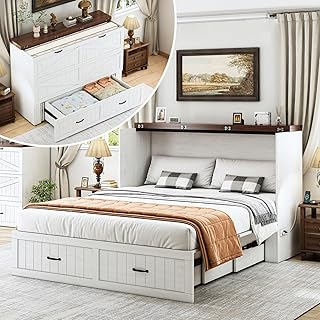
Queen Murphy Bed with Storage & Charging Station, Farmhouse Murphy Cabin…
Step 2: Choose Your Furniture Wisely
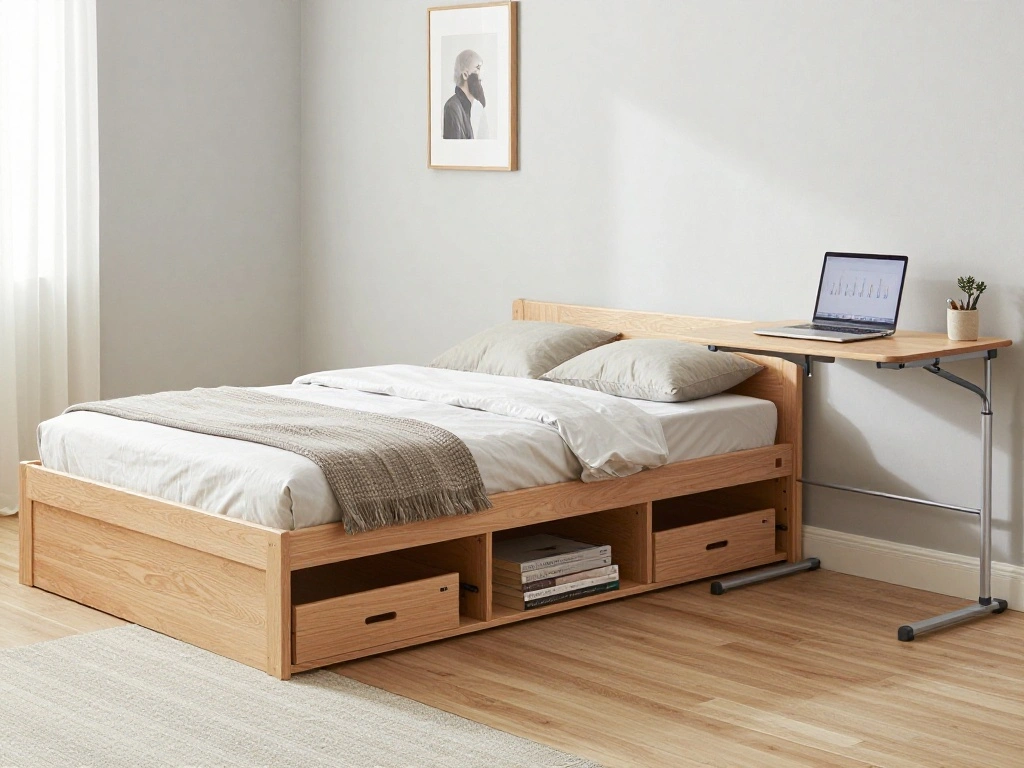
Opt for multifunctional furniture to maximize space utility. This means selecting furniture that serves more than one purpose, such as a bed with storage drawers or a desk that can fold away when not in use.
- Research and list down furniture options that fit your measurements.
- Consider a wall-mounted desk or a corner desk to save floor space.
- Look for a bed frame that includes built-in storage or drawers.
Pro Tip: Visit furniture stores or browse online to find inspiration for space-saving options.
Why this matters: Choosing the right furniture ensures that you create a functional and comfortable living space. Allocate about 1 hour for this step.
Recommended Products
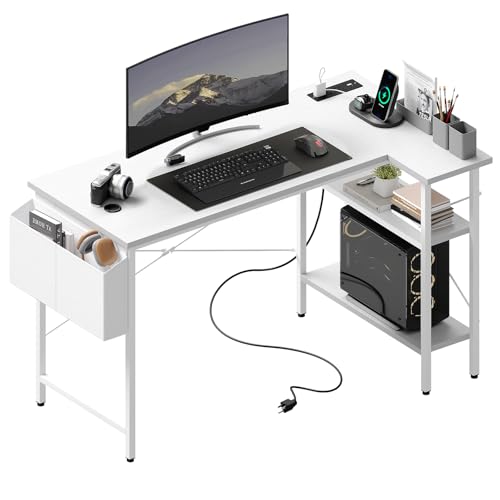
Integrated Power Hub: Power up your command center. This L-shaped gaming desk has a built-in power strip with 3 AC outlets, 2 USB & 1 Type-C ports (2m cable included), keeping power within reach and cables tidy. Great for bedroom gaming or home office
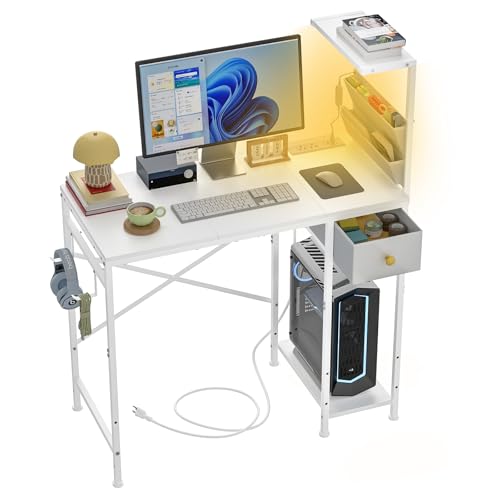
【App & Button-Controlled LED】Enjoy a personalized atmosphere with the built-in RGB LED strip, featuring 7 color options and 20 dynamic modes. Whether you’re deep into work or immersed in a game, the LED lights elevate the experience. Easily adjust brightness, color, and speed using the button control or mobile app. This customizable feature turns your space into a fun, focused, and visually striking computer desk gaming setup — ideal for bedrooms and home offices

Space-Saving Design: Featuring a 90° corner design specially made for wall corners, this corner desk maximizes unused space while providing a functional workstation. Complete with a spacious desktop, keyboard tray, and two open shelves, it's an ideal solution for small spaces, bedrooms, apartments, and home offices.
Step 2: Choose Your Furniture Wisely
Editor’s Choice

Murphy Bed with Foldable Desk – Space Saving Wall Bed, Full Size, Waln…

VASAGLE Twin Metal Bed Frame 14 Inches Tall, 550 lb Weight Capacity, No …
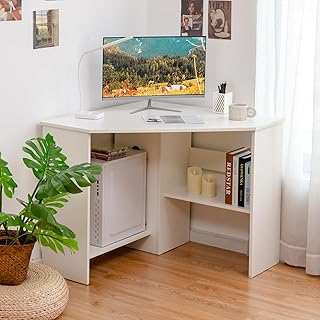
Tangkula White Corner Desk – 90 Degrees Triangle for Computer, Small Spa…
Step 3: Plan Your Layout
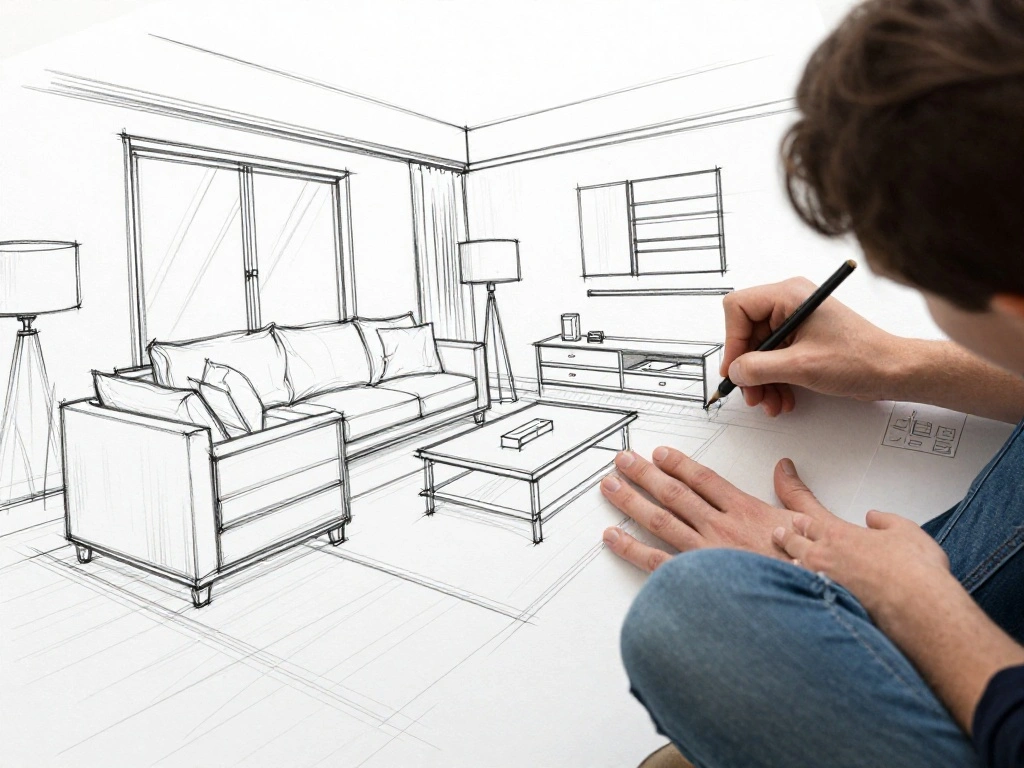
With your measurements and furniture choices in mind, create a layout plan that allows for easy movement and accessibility. This is where your sketch from Step 1 becomes handy.
- Using your sketch, mark potential spots for the bed and desk.
- Consider the flow of movement and ensure that the space feels open.
- Leave enough room to walk around the bed and access the desk comfortably.
Pro Tip: Tape down furniture outlines on the floor to visualize how everything fits before making permanent decisions.
Why this matters: A well-thought-out plan helps you avoid clutter and allows you to enjoy your small bedroom fully. Expect to spend about 30 minutes on this step.
Recommended Products

1. 3-Color Temperature Bedside Lamps: The small bed side lamp for night stands features with chic pull-chain to make quick changes to 3 different level brightness (Warm White-3000K, Nature White-4000K, Daylight White-5000K ). You can switch the light tailored to your needs. Warm white for cozy atmosphere, daylight white for work/study. Simply give the string a little tug when you want the nightstand lamp On/Off, brighter/dimmer
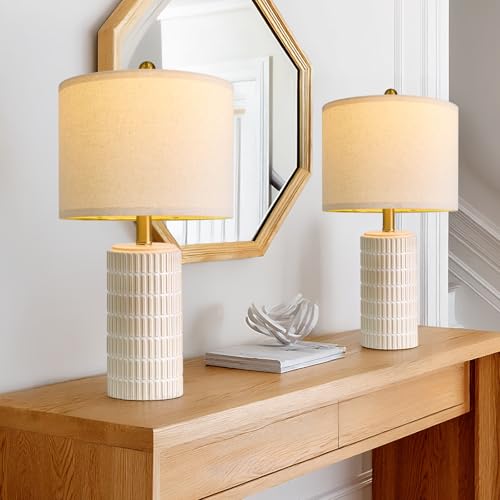
This Small Ceramic Lamps is 20.75'' from Bottom to Top for Small Place.
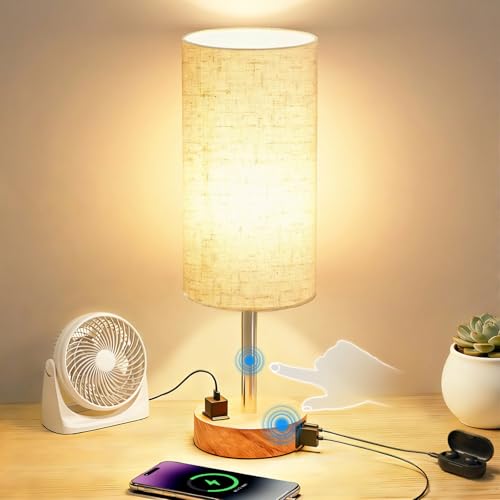
【All-in-One Charging Table Lamp】This desk lamp features a built-in AC outlet, USB-A, and USB-C ports, allowing you to charge multiple devices like phones, tablets, and laptops simultaneously—whether the light is on or off. It's your all-in-one power solution that declutters your nightstand and frees up outlets.
Step 3: Plan Your Layout
Editor’s Choice
Amazon Basics Under Bed Storage Bags for Clothes and Blankets, Foldable …

DUMOS 43 Inch Folding Storage Ottoman Bench, Large Hidden Storage Chest …

HOMCOM Foldable Convertible Writing Table, Wall Mounted Space-Saving Com…
Step 4: Arrange the Furniture
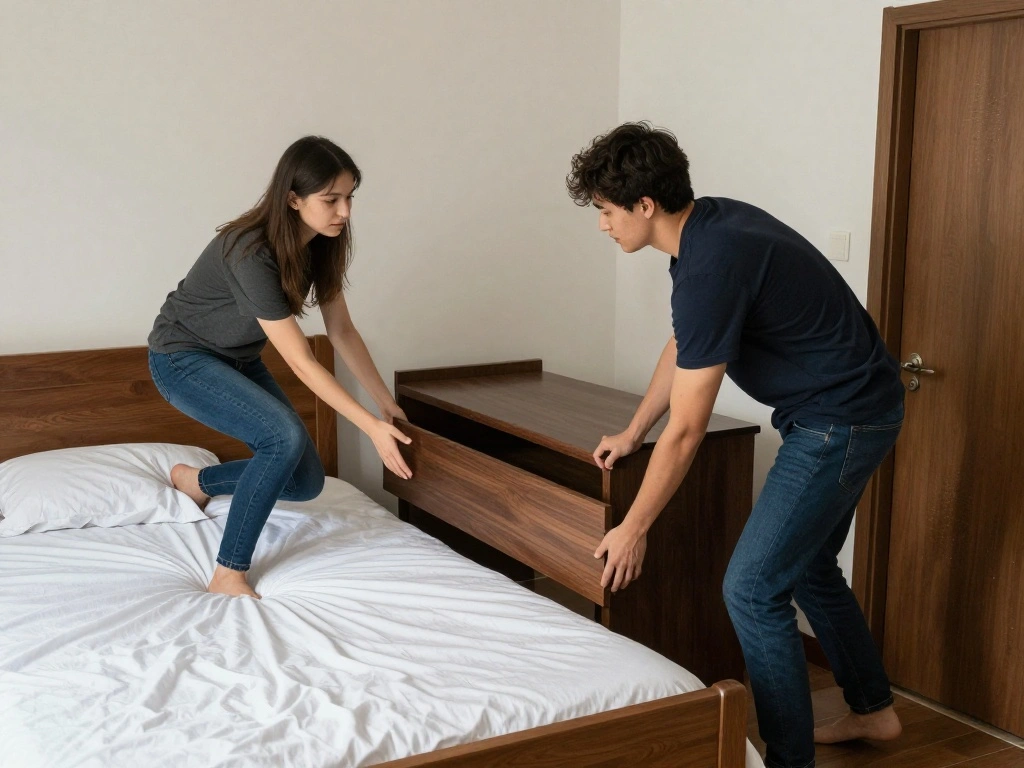
Now it’s time to move your bed and desk into the chosen positions according to your layout plan. This can be a physical task, so consider asking for help.
- Clear the area and remove any existing furniture.
- Start with the bed, placing it in the designated spot.
- Next, position the desk in a way that maximizes light and accessibility.
Warning: Be careful when moving heavy furniture to avoid injury or damage to your walls.
Why this matters: Proper placement of furniture enhances functionality and creates a comfortable living area. Allocate about 1-1.5 hours for this step.
Recommended Products

【Killer Workspace for Homework & Gaming】This twin loft bed features an 75.6"x41" L shaped gaming desk with hutch, shelves & drawers. The acrylic-front cabinet is for your coolest collectibles. A built-in pegboard and a grid panal are to hang stuff and make full use of vertical space. 5 s-clips come with your package. 3 storage drawers (2 medium + 1 deep) are designed for organizing by zone: school stuff, gaming gear and more

Heavy Duty Loft Bed with Wall Anchors – Eliminate wobbling with 2 included wall anchor brackets. Supports up to 350 lbs for long-lasting stability. No shaking, no squeaking.

[Premium Metal Construction] This bedside wall organizer is made of thickened cold-rolled steel, far sturdier and more durable than flimsy plastic organizers. It resists bending, cracking and fading, serving as a long-lasting wall organizer for bedroom that keeps your daily items neat. Designed as a practical wall mounted bedside shelf, it holds phones, remotes, cosmetics, small gadgets and more, perfectly solving clutter troubles for bedrooms and compact spaces.
Step 4: Arrange the Furniture
Editor’s Choice
Furniture Sliders for Carpet 8 PCS – 3 1/2 inch Furniture Moving Slider …

ErGear Height Adjustable Electric Standing Desk, 48 x 24 Inches Sit Stan…

Shoulder Dolly Moving Straps – Lifting Strap for 2 Movers – Move, Lift, …
Step 5: Implement Storage Solutions
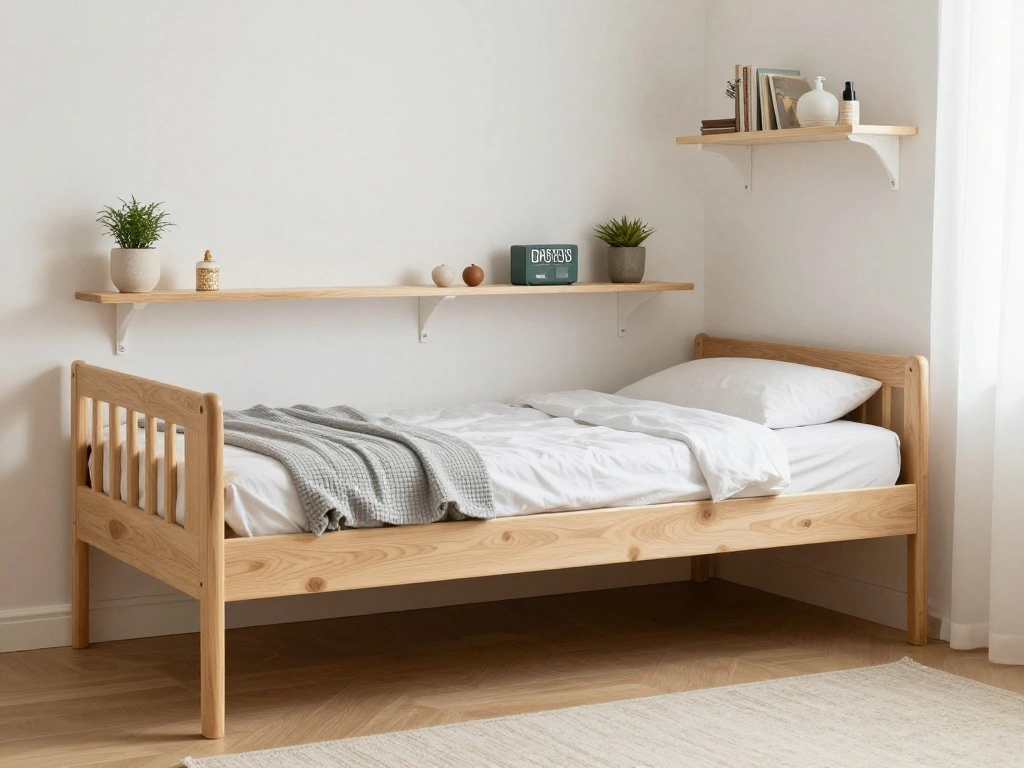
To keep your small bedroom organized, incorporate storage solutions that can complement your desk and bed. This helps to declutter your space.
- Choose storage options like shelves, under-bed bins, or multifunctional furniture.
- Organize books, supplies, and personal items into designated spaces.
- Label storage boxes for easy identification if necessary.
Pro Tip: Utilize vertical space with wall-mounted shelves to keep the floor area clear.
Why this matters: Effective storage solutions keep your bedroom tidy and functional. Expect to spend about 30 minutes on this step.
Recommended Products

CUT THE CLUTTER - If you’re looking to maximize your closet storage, then our slim, compact, under bed storage bags are just what you need to take your home organization a notch higher!

Soft Fabric Under Bed Storage: Made from breathable fabric, it keeps clothes fresh even during extended storage. Designed for flexible storage of seasonal clothing, blankets, and bedding. Soft sides easily adapt to tight spaces like under beds, maximizing space utilization

Soft Fabric Under Bed Storage: Made from breathable fabric, it keeps clothes fresh even during extended storage. Designed for flexible storage of seasonal clothing, blankets, and bedding. Soft sides easily adapt to tight spaces like under beds, maximizing space utilization
Step 5: Implement Storage Solutions
Editor’s Choice
DUMOS 43 Inch Folding Storage Ottoman Bench, Large Hidden Storage Chest …

FOLUBAN Small Bookshelf, 3 Tier Open Book Shelf, Rustic Wood and Metal S…
Step 6: Personalize Your Space
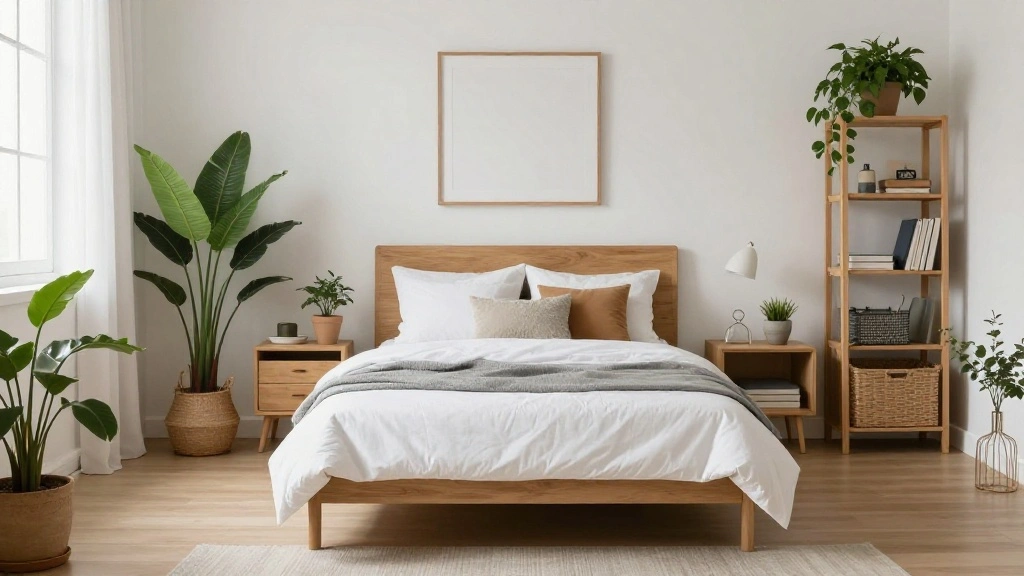
Finally, add personal touches to make your small bedroom feel like home. This can include artwork, plants, and decorative elements that reflect your personality.
- Choose a few decorative items that you love.
- Arrange them around the room without overcrowding.
- Consider adding a small plant for a touch of nature.
Pro Tip: Keep decor minimal to avoid clutter while ensuring your personal style shines through.
Why this matters: Personalizing your space creates a welcoming atmosphere where you can relax and work efficiently. Allocate about 30 minutes for this step.
Recommended Products

[Multifunctional Storage] MSmask corner bed frame is designed with multiple storage spaces, and the powerful storage design keeps the bedroom tidy and organized. Features 2-tier bookcase for storing books, records, and magazines. Upholstered storage headboard both comfort and practicality. With a pull-out cabinet to provide additional bedside storage space

[Multifunctional Design] This wooden twin size platform bed features a built-in desk with an LED light strip above the desk, adding a modern touch to your bedroom. It also includes 3 drawers, and multiple cabinets and shelves to help you organize your belongings efficiently.

[Night Stand with Swivel Top] Skip the hassle of getting up from your coziest spot just to grab or set down belongings — this rotating table top puts everything within easy reach. When locked firmly in place with the built-in knob, the tabletop supports up to 20 lbs. To prevent tipping and keep the unit stable during use, please position items with their weight centered toward the inner side of the surface.
Step 6: Personalize Your Space
Editor’s Choice

3D Floral Green Wall Art (Set of 3) Lightweight, Wooden Ready-to-Hang Bo…
Pro Tips
- Choose Light Colors: Light colors can make a small room feel larger and more open.
- Use Mirrors: Strategically placing mirrors can create an illusion of space.
- Vertical Storage: Look for tall bookshelves or cabinets to save floor space.
- Consider Knockdown Furniture: When moving, opt for furniture that can be disassembled for easier transport.
- Declutter Regularly: Periodically evaluate your belongings to maintain a clean and organized space.
Recommended Products

【COMPACT LADDER DESK】:Built around a vertical ladder desk layout, this 31.1"L x 17.7"W x 59"H small computer desk creates a practical workspace without taking up a wide footprint. Two upper tiers turn it into a small desk with shelves, while the slim profile also works as a compact desk, space saving desk, or 32 inch desk for apartments, dorms, bedrooms, and tighter work areas

Gaming desk with power outlets: Korfile l-shaped game table comes with 3 AC power outlets and 2 USB charging ports conveniently located underneath the display stand. Charge devices such as mobile phones and laptops simultaneously without interruption during gaming or work. The game table is equipped with RGB LED lights, which can be remotely operated through a remote control or APP

UNIQUELY DESIGNED STORAGE: Perfect for storing all your tools and sewing machine, this large folding table has 2 rows of pegs, 2 attached storage trays, a wide interior shelf, a three-section cabinet with adjustable shelves, and a large tabletop space!
Pro Tips
Editor’s Choice

DUMOS 64″x21″ Arched Full Length Floor Mirror, Full Body Mirror with Sta…
Common Mistakes to Avoid
Warning: Not measuring properly can lead to poor furniture placement.
Always take accurate measurements before buying furniture.
Warning: Overcrowding the room with too much furniture can make it feel cramped.
Stick to essential pieces and avoid clutter.
Warning: Ignoring natural light can make the room feel smaller.
Position your desk near windows to take advantage of natural light.
Common Mistakes to Avoid
Editor’s Choice

HAIXIN Vertical Narrow Tall Shoe Rack for Front Door Entrance, 7-Tier St…

Allewie Queen Size Lift Up Storage Bed, Modern Wingback Headboard, Hydra…
Troubleshooting Section
Problem: The bed takes up too much space.
Solution: Consider switching to a loft bed or a bed with built-in storage options.
Problem: The desk feels cramped.
Solution: Use a wall-mounted desk or foldable options to save floor space.
Problem: Lack of storage leads to clutter.
Solution: Invest in under-bed storage solutions or vertical shelving.
Problem: Lighting is insufficient for the desk.
Solution: Use desk lamps or LED strip lights for better illumination.
Troubleshooting Section
Editor’s Choice
Budding Joy 90L Under Bed Storage Containers, Closet Organizers and Stor…
HOMCOM Foldable Convertible Writing Table, Wall Mounted Space-Saving Com…
ADORNEVE Loft Bed Full Size with U-Shaped Desk, 6 Storage Drawers, Power…
Variations/Alternative Methods
Consider these alternatives for fitting a desk and bed:
- Murphy Bed: Ideal for extremely small spaces, this bed folds up into the wall, freeing up floor space during the day.
- Corner Desk: Use corner space effectively to maximize desk area without taking up too much room.
- Lofted Bed: Raise your bed to create space underneath for a desk or seating area.
Variations/Alternative Methods
Editor’s Choice

Hlivelood Queen Size Murphy Bed with 2 LED Lights, Farmhouse Wood Hidden…

VECELO Corner Desk,Office Tables for Living Room for Small Space Triangl…

Queen Size Loft Bed with Desk & LED Lights, High Loft Bed Frame with Sta…
FAQs
What if I don’t have enough natural light? Consider adding lamps or light-colored decor to brighten the room.
How long should I keep my desk clear? Aim to keep your desk clear to maintain focus; regularly declutter it.
Is it safe to mount a desk on the wall? Yes, as long as it is properly installed using appropriate anchors and supports.
How can I make my bed more accessible? Choose a bed height that allows easy access, or place it near the door for convenience.
What if I need to share my room? Look for furniture that can be used by multiple people, like a shared desk or bunk beds.
FAQs
Editor’s Choice
Budding Joy 90L Under Bed Storage Containers, Closet Organizers and Stor…
SEI Furniture Wall Mount Laptop Desk – Universal Style, Black
Conclusion
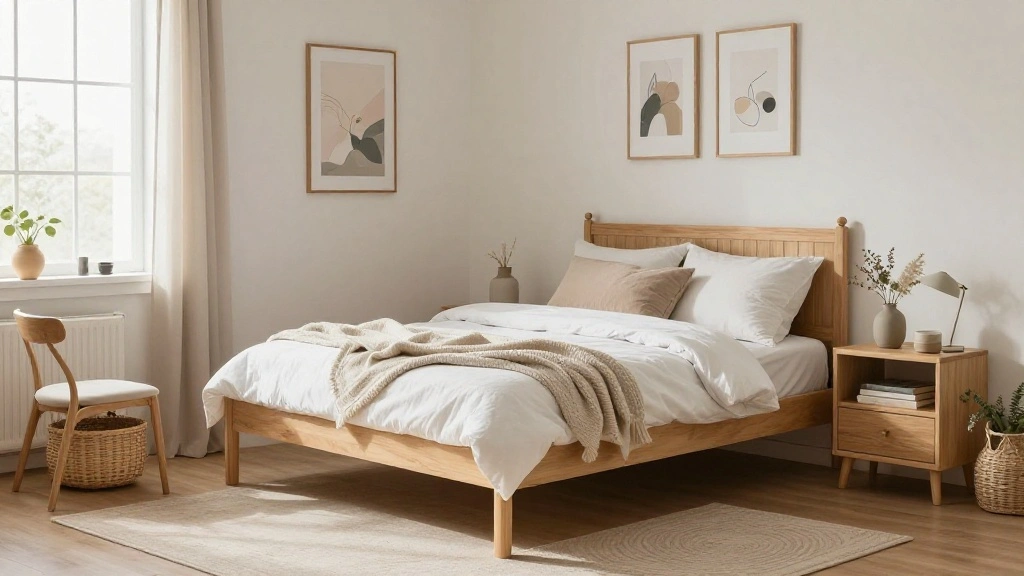
Congratulations! You have successfully fitted a desk and a bed into your small bedroom. By following this guide, you have optimized your space while creating a comfortable atmosphere for relaxation and productivity.
Now that your space is organized, consider adding personal touches such as art or plants to make it truly yours. Keep exploring ways to enhance your small bedroom, and remember that a well-arranged space can significantly improve your quality of life.